
Foreign News
Israeli PM Says Iran’s Supreme Leader Khamenei, Likely Dead After US-Israel Strikes
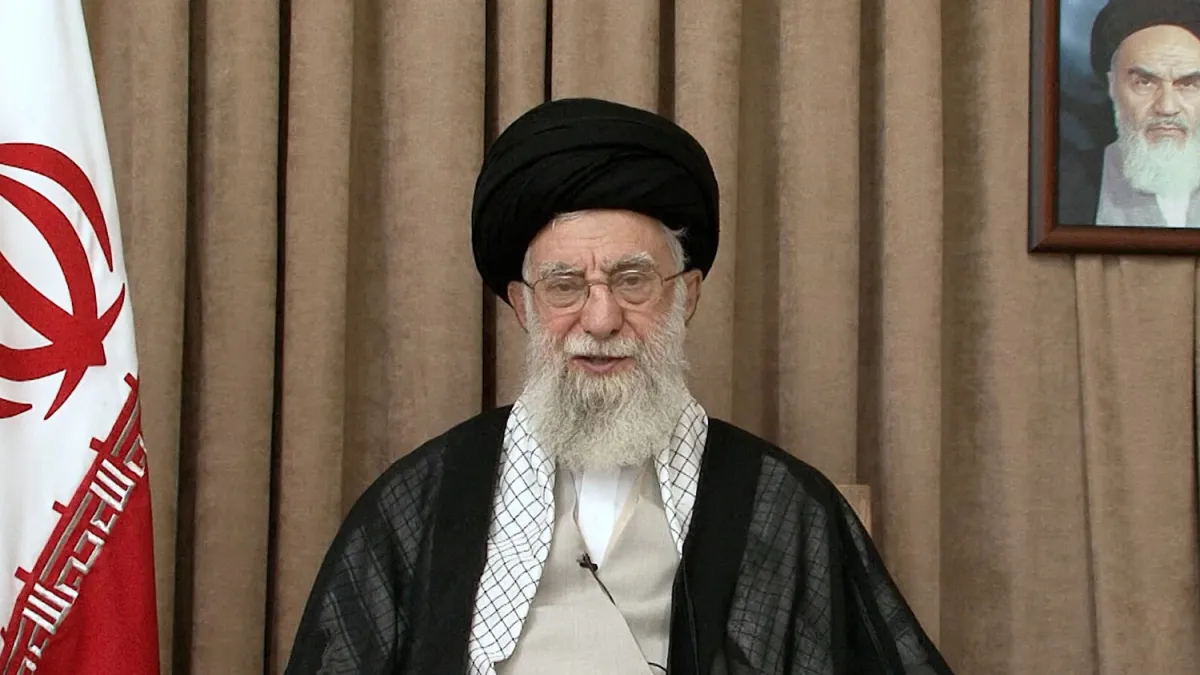
In a stunning and dramatic development in the escalating Middle East conflict, Israeli Prime Minister Benjamin Netanyahu said on Saturday that there are strong indications Iran’s Supreme Leader, Ayatollah Ali Khamenei, has been killed in a coordinated military assault by the United States and Israel.
In a televised address, Netanyahu declared that a powerful surprise strike had destroyed Khamenei’s compound in the heart of Tehran. He said that there were “many signs that this tyrant is no longer alive.”
The joint US-Israeli offensive struck multiple strategic targets across Iranian cities earlier Saturday, triggering massive explosions and heavy smoke over the capital. Netanyahu said the strikes also eliminated key military figures, including Revolutionary Guard commanders and senior personnel tied to Iran’s nuclear program, and vowed that further operations would continue.
The potential death of Khamenei who had led Iran for over 35 years as its supreme political and religious authority marks an unprecedented moment in modern Middle Eastern history and could plunge the region into deeper instability.
While Israeli officials have cited intelligence assessments and damage to Khamenei’s compound, no official confirmation has yet come from Tehran or Washington, and Iran’s own foreign minister has previously denied that the supreme leader was killed.
The strikes, which have sharply escalated tensions, prompted Iran to fire missiles and drones toward U.S. and Israeli positions in the region, raising fears of a wider confrontation. Civilian casualties have also been reported in the unfolding conflict.
As the dust settles over Tehran and the world awaits a clear answer on Khamenei’s fate, the geopolitical landscape of West Asia stands on edge, with leaders and ordinary citizens alike bracing for what could be a new and highly unstable chapter in regional affairs.