
Editorial
Gumi and the Dangerous Politics of Excusing Terror
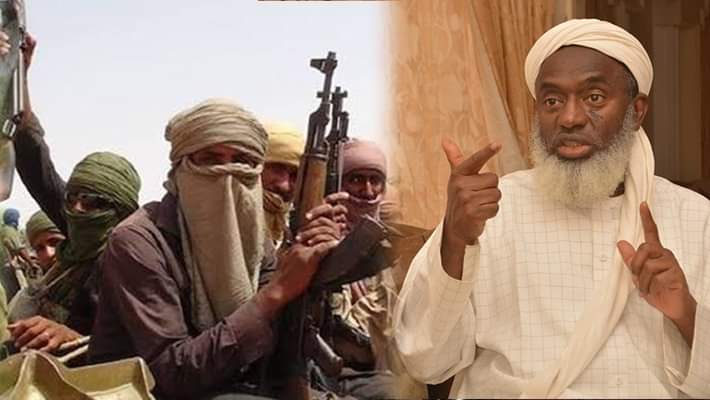
The U.S. military airstrikes in northwest Nigeria marked a dramatic escalation in the fight against violent groups in Sokoto State, with President Donald Trump confirming that American forces struck terrorist positions in coordination with Nigerian authorities. The operation, conducted on Christmas Day, was justified by Washington as necessary to stop the killing of Christians and was part of broader security cooperation with Abuja.
But not everyone sees the strikes as a step toward peace. Prominent Islamic scholar Sheikh Ahmad Gumi sharply condemned the foreign military action, calling it a “neo-Crusade war against Islam” and warning that Nigeria risks becoming a “theatre of war” if it allows outside powers to operate on its soil. “The USA’s involvement in Nigeria, citing coming to ‘protect Christians’, will ultimately polarise our nation and infringe on our sovereignty,” he wrote, urging the government to halt all military cooperation with Washington.
Gumi’s repeated opposition to military action against terrorists, including his recent criticism of U.S.-backed operations in Nigeria, raises troubling questions about where his loyalties truly lie. What the preacher seems to fail to realise is that he is perceived to only condemn military attacks on terrorism while minimising the cruelty of those who are carrying out mass murders of innocent people in the name of their twisted ideology.
Nigeria is facing a security emergency, not an academic debate. Communities have been displaced. Churches, mosques, educational institutions, and farmlands have been attacked. Thousands of citizens are dead. And in the face of this harsh fact, Gumi insists on the futility of using military force, even when terrorists openly declare war on the state.
There is no arguing that dialogue has its place. Of course negotiation can be a means of achieving peace. However, it then becomes a problem when it is given more emphasis than justice, accountability, or safeguarding innocent lives. No responsible society negotiates endlessly with those who kill, abduct, and terrorise without remorse
Equally disturbing is the cleric’s consistent rejection of any form of foreign cooperation in Nigeria’s war against terrorism. Even sovereignty is not a license for helplessness. When a country’s security system is overwhelmed, cooperation is a necessity, not a treachery.
The Nigerian state must also take responsibility. Years of weak enforcement, selective justice, and political hesitation have created the vacuum in which extremist voices now thrive. The failure to decisively confront terror groups has emboldened sympathisers to speak loudly and act boldly.
Sheikh Gumi is entitled to his opinions. But public figures must understand the weight of their words. When a country is going through a traumatic experience, statements perceived as protective of criminal elements, as well as undercutting legal security operations, are less than prudent.
Nigeria does not need sermons that rationalise violence. Nigeria needs leadership that confronts evil, safeguards the innocent, and reasserts its citizens’ faith in the authority of the state. Anything less would be an insult to the victims.