
Headlines
Dangote Refinery Fails as Petrol Imports Still Dominate Nigeria’s Fuel Supply
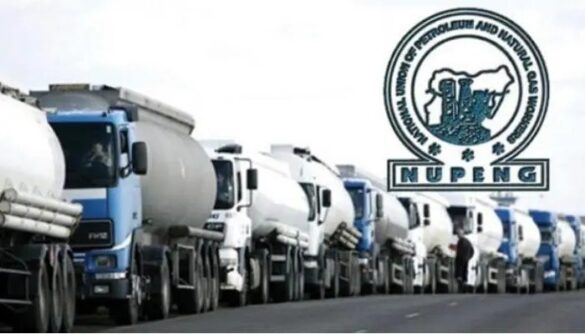
Nigeria continued to rely heavily on imported petrol in 2025, with foreign supplies accounting for 62.47 per cent of the country’s total Premium Motor Spirit usage, it has been revealed.
This is despite the start of operations and rising output from domestic facilities such as the Dangote Petroleum Refinery, alongside government-owned refineries and several modular plants. The update was contained in the latest midstream and downstream petroleum sector factsheet published by the Nigerian Midstream and Downstream Petroleum Regulatory Authority.
Data from the NMDPRA report indicate that Nigerians consumed an estimated 18.97 billion litres of petrol in 2025. Oil marketing companies supplied about 11.85 billion litres of this volume through imports, reflecting the sector’s continued dependence on overseas sources.
As a result, imported fuel made up nearly two-thirds of total petrol consumption during the year, while local refineries supplied approximately 7.54 billion litres, representing 37.53 per cent of national demand, according to the regulator.
These totals were derived by applying the daily average consumption to the number of days in each month. The data, which are based on volumes trucked into the domestic market, underscore Nigeria’s continued dependence on fuel imports, even as the Dangote refinery, currently the country’s only operational large-scale refinery, ramped up supply during the year.
Meanwhile, the volume of petrol imports is expected to decline significantly in 2026 if the Federal Government proceeds with the planned implementation of a 15 per cent import tariff on Premium Motor Spirit, slated to take effect in the first quarter of 2025, in line with a policy memo approved by President Bola Tinubu.
For decades, Nigeria, Africa’s largest crude oil producer, relied almost entirely on imported petrol following the prolonged underperformance of its state-owned refineries in Port Harcourt, Warri, and Kaduna. This dependence deepened after the refineries became largely dormant, forcing the country to meet domestic demand through imports financed with scarce foreign exchange and, for years, supported by a costly petrol subsidy regime.
Nigeria’s downstream fuel market began showing signs of structural change toward the end of 2024 following the launch of operations at the 650,000-barrel-per-day Dangote Petroleum Refinery, widely seen as a game-changer for the sector. Along with output from modular refineries and modest production by state-owned plants, the facility was expected to sharply reduce petrol imports, strengthen energy security, and stabilise nationwide supply.
Despite these expectations, data from the Nigerian Midstream and Downstream Petroleum Regulatory Authority indicate that imports continued to dominate fuel supply through 2025, even as local refining activity expanded. The regulator linked this outcome to the phased ramp-up of refinery operations, crude supply and logistics challenges, as well as shifts in demand following the full deregulation of petrol prices.
The year 2025 marked the first complete year of substantial domestic Premium Motor Spirit production, making year-on-year comparisons difficult. This is particularly so given that the Dangote refinery only began distributing petrol in the last quarter of 2024.
While 2025 reflects a transition year shaped by staggered refinery ramp-ups and structural constraints, the data underscore that the long-promised shift away from import dependence remains incomplete, leaving the success of ongoing reforms and new investments to be judged by whether they translate into a decisive reduction in fuel imports in the years ahead.
See also:
Lekki–Epe Repairs Begin Sunday: Lagos Unveils Diversions, Counterflow Plans
Security Operatives Take Malami Into Custody After Kuje Release
Senegal wins 2025 AFCON after Dramatic Victory over Hosts Morocco
NMDPRA CEO Farouk Ahmed and NUPRC CEO, Gbenga Komolafe Have Resigned