
Editorial
Rising Insecurity After U.S. Airstrikes: Did Foreign Bombs Complicate Nigeria’s War on Terror?
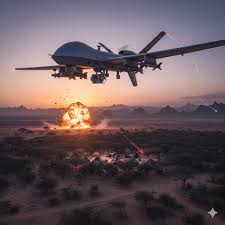
On December 25, 2025, U.S. forces carried out airstrikes on suspected terrorist camps in Sokoto State, reportedly targeting the Islamic State–linked Lakurawa group, in coordination with Nigerian authorities. The intervention was publicly welcomed by the Federal Government as a boost to the fight against insurgency and banditry. Yet weeks later, Nigerians are confronting a troubling question: has foreign military intervention helped stabilise the security situation, or has it worsened an already fragile landscape?
Since the strikes, reports indicate a surge in violent attacks across northern Nigeria. Between December 25, 2025, and January 21, 2026, at least 183 people were killed and 366 abducted, according to figures compiled from media reports, security sources and humanitarian tracking. Kaduna, Zamfara, Niger, Katsina, Sokoto, Borno and Plateau have been among the hardest-hit states. While exact figures remain contested due to underreporting in rural areas, the trend suggests an intensification rather than a decline in violence.
Kaduna, in particular, has emerged as a flashpoint. On January 18, gunmen stormed three churches in Kurmin Wali community and abducted 177 worshippers, an incident that sparked outrage not only over the scale of the attack but also over the initial conflicting responses from security agencies. That case has become emblematic of a deeper problem: insecurity compounded by weak crisis communication and delayed verification.
Security analysts argue that the U.S. strikes may have disrupted certain militant cells but also created power vacuums that rival armed groups quickly exploited. Rather than collapsing, networks linked to Boko Haram, ISWAP and emerging factions have reportedly adapted, shifting operations, expanding territorial influence and escalating kidnappings for ransom as a revenue stream.
The deeper issue, however, goes beyond foreign involvement. Nigeria’s security crisis is rooted in long-standing governance failures, weak intelligence coordination, porous borders, rural poverty, and the slow erosion of state authority in vulnerable communities. Airstrikes, whether foreign or domestic, cannot substitute for sustained investment in intelligence-led policing, community-based security, judicial accountability, economic stabilisation, and trust-building between citizens and the state.
Foreign military support may offer short-term tactical advantages, but without a coherent national strategy, it risks treating symptoms rather than causes. Worse still, it may internationalise a conflict that requires primarily Nigerian political will, institutional reform and grassroots resilience.
Nigeria must resist the temptation to outsource its security. The path forward lies not in louder explosions, but in smarter intelligence, stronger institutions, and a renewed commitment to protecting citizens through lawful, transparent and people-centred security operations.
Until then, every bomb dropped—foreign or local—may only deepen the cycle of violence it claims to end.
See also:
Rivers State is Once Again the Theatre of Political Brinkmanship.
Aggression Over Dialogue: The Perilous Path of America’s Invasion of Venezuela.
Band A or Band Aid: The Worsening Electricity Situation in Nigeria
Another Blow to the Masses: 15% Fuel Duty Threatens to Deepen Nigerians’ Suffering
Tinubu’s Big Test: Justice or Politics in Nnamdi Kanu’s Case?