
Column
Echoes of Tragedy: Lessons from the Challenger Disaster. By Yomi Akinfesoye
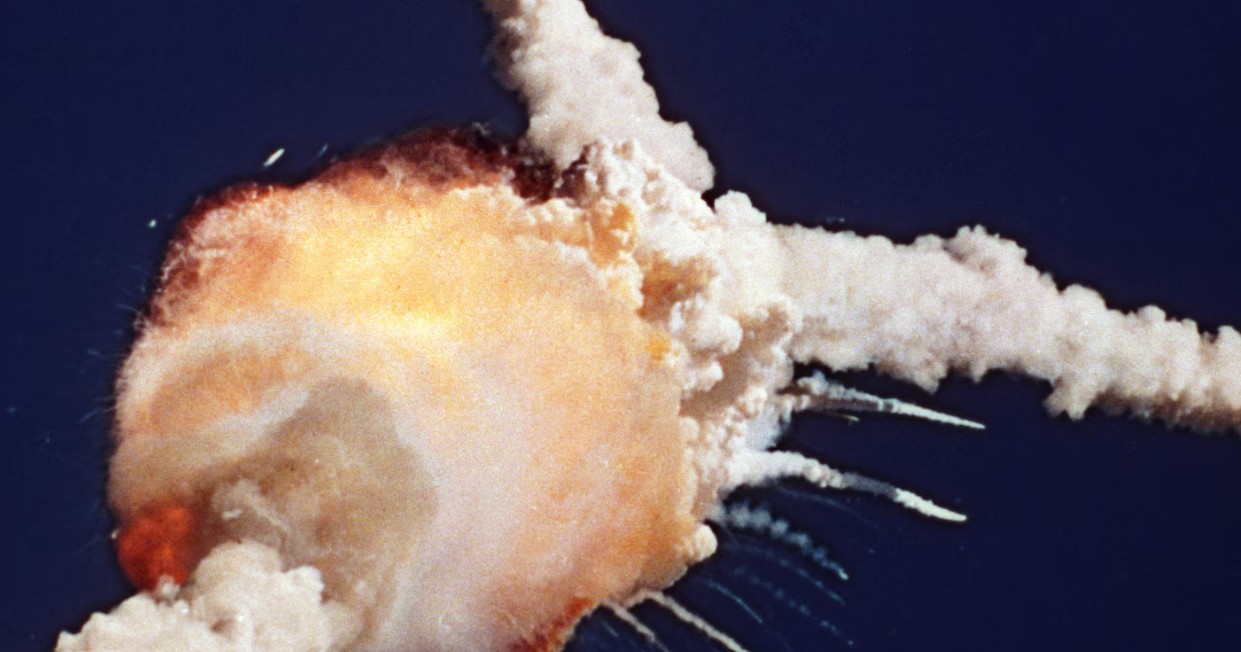
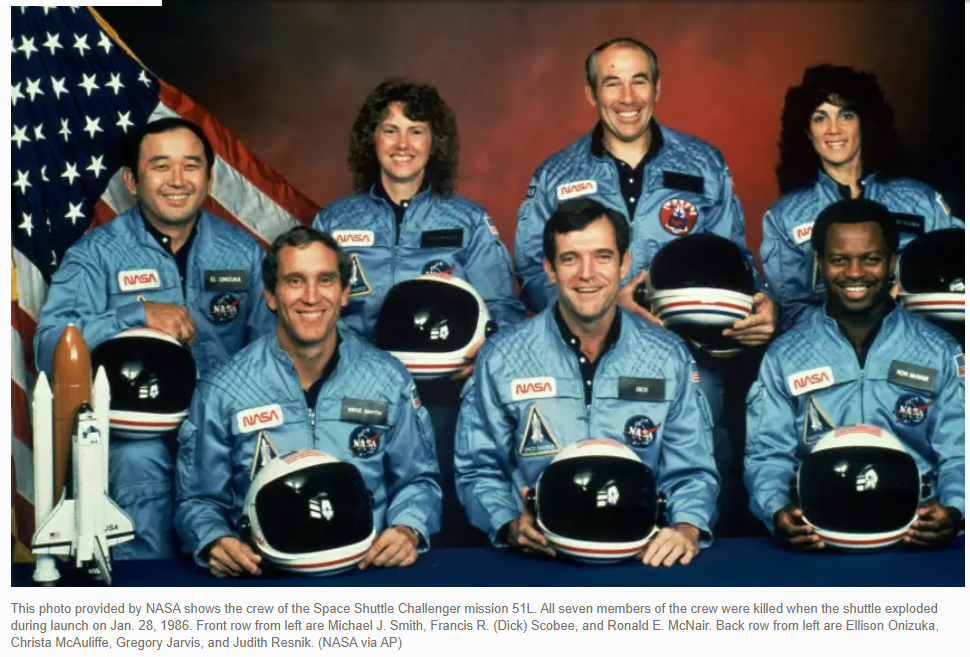
January 28, 1986 was an unusually crisp winter morning at Cape Canaveral in Florida. On a chilly morning, January 28, 1986, the world watched in anticipation as the Space Shuttle Challenger prepared for liftoff. Among the seven astronauts aboard was Christa McAuliffe, a teacher whose dream was to inspire students through space exploration. But just 73 seconds into the flight, tragedy struck. The Challenger disintegrated in a fiery explosion, leaving behind a haunting silence that echoed across the nation. NASA determined that Challenger broke apart 73 seconds after launching. The shuttle was traveling at supersonic speed when structural failure caused the vehicle to disintegrate over the Atlantic Ocean.
As the shuttle passed through a period of maximum aerodynamic stress, a failure in the right solid rocket booster allowed hot gases to escape. Seconds later, a flame breached the external fuel tank, triggering a catastrophic explosion.
In the days that followed, investigations revealed that the disaster was not just a freak accident but a culmination of IGNORED WARNINGS and a culture that prioritized schedules over safety. Engineers at Morton Thiokol had raised concerns about the O-rings, which were designed to seal joints in the solid rocket boosters. They feared that the unusually low temperatures would compromise their integrity. Yet, despite these warnings, the launch proceeded as planned. The pressure to meet deadlines overshadowed the imperative of safety, a clear case of “normalization of deviance.”
But the Challenger disaster was about more than just a mechanical failure; it was a reflection of deep-rooted issues within NASA’s safety culture. Many engineers felt they couldn’t voice their concerns, fearing backlash from leadership. This lack of psychological safety meant that critical information was withheld, leading to catastrophic consequences. It serves as a stark reminder that in any organization, silence can be deadly.
Before the Space Shuttle Challenger disaster on January 28, 1986, several warning signs and concerns were raised that were not adequately addressed. Here are some key warning signs:
1. O-Ring Concerns: Engineers at Morton Thiokol raised concerns about the O-rings used in the solid rocket boosters, particularly regarding their performance in cold temperatures. They warned that the O-rings could fail to seal properly in low temperatures, which was a significant risk on the day of the launch.
2. Cold Weather Launch: The launch took place on an unusually cold morning, with temperatures significantly lower than those during previous launches. This raised alarms among engineers about the potential for O-ring failure.
3. Previous Incidents: There had been previous incidents involving foam insulation and other materials, which indicated that safety concerns were not being sufficiently addressed. These incidents should have prompted a review of safety protocols.
4. Pressure from Management: There was significant pressure from NASA management to proceed with the launch despite the engineers’ concerns. This pressure created an environment where safety concerns were often sidelined in favour of schedule and public expectations.
5. Inadequate Communication: There was a breakdown in communication between NASA and the Thiokol engineers. Critical information about the potential risks was not effectively communicated to decision-makers, leading to a lack of understanding of the severity of the O-ring issue.
These warning signs highlight the importance of listening to engineering concerns, fostering open communication, and prioritizing safety over schedules in high-risk environments.
The lessons learned from Challenger extend far beyond the realm of space exploration. In industries like oil and gas, similar patterns of complacency can have dire ramifications The Deepwater Horizon oil spill, for example, mirrored the Challenger disaster in its root causes: ignored warnings and a culture that stifled dissent.
Leaders in every sector must foster an environment where employees feel safe to express their concerns and challenge decisions. True safety culture begins at the top, necessitating leaders who are not just managers but champions of open dialogue and accountability.
As we reflect on the Challenger disaster and honor the seven brave souls lost that day, we must ask ourselves: Have we truly learned from our past? While progress has been made, the repetition of mistakes suggests a lingering challenge. It is our duty to ensure that the tragedies of yesterday do not become the lessons of tomorrow. Let us commit to building a future where safety is paramount, and every voice is heard.
See also:
Tinubu Stumbles During Ceremonial Welcome in Türkiye
Tinubu Survives Military Coup: Army Moves to Try Indicted Officers
Sit-At-Home: Soludo Shuts Onitsha Market After Traders Defy Orders
Tax: LIRS Gets Power to Reach Into Bank Accounts of Tax Defaulters
United States Officially Leaves WHO, Global Health Body Expresses Regret