
Editorial
The Grid’s Endless Blackout: Tinubu’s Promise in Ruins
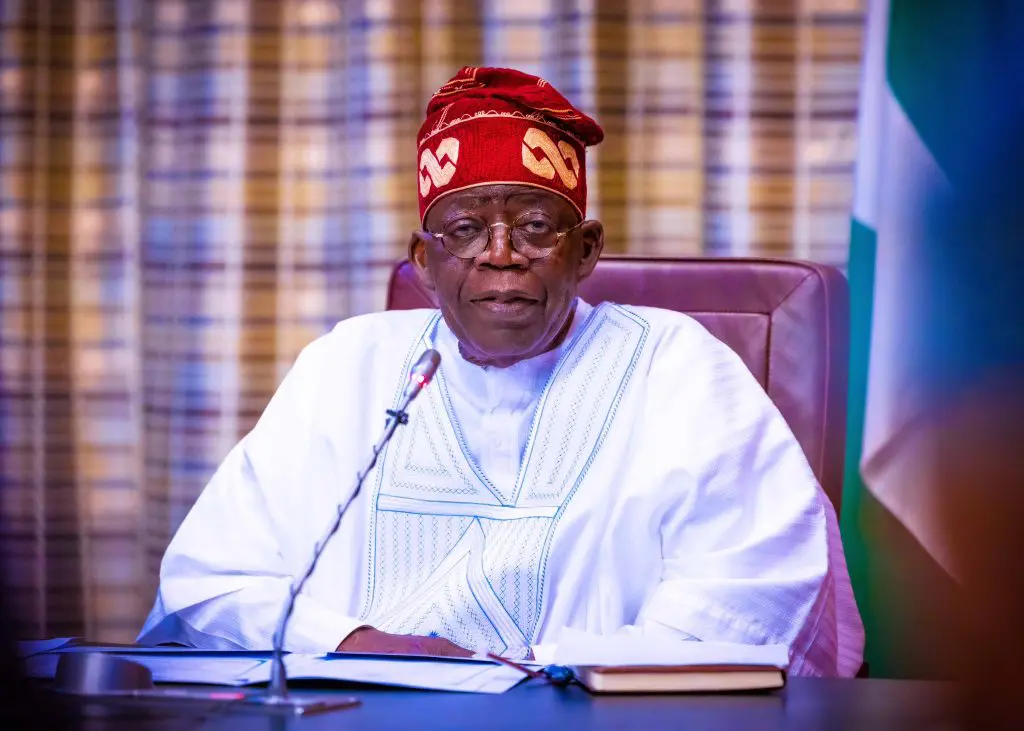
During the heat of the 2023 presidential campaign, Bola Tinubu made a major promise where he said “If I don’t give you constant electricity in the next four years, don’t vote for me for a second term.” It was bold and clear. And it raised hope in a country exhausted by decades of darkness. Well, two years later, that promise lies in tatters.
Nigeria’s power sector today is a gloomy example of persistent failure. The national grid collapses with alarming regularity, electricity tariffs climb relentlessly, and millions of Nigerians continue to rely on generators that gulp fuel and poison the air. The deafening hum of generators has become Nigeria’s unofficial national anthem. The nation has even been tagged “generator republic” by other nationalities.
Every blackout tells the same story: homes plunged into darkness, small businesses shutting their doors, factories scaling down production, hospitals scrambling for backup power. For ordinary Nigerians, electricity is not a luxury, neither a right, but now of survival. Yet the grid behaves less like a national utility and more like a fragile experiment that was never meant to produce resuslt.
Since Tinubu assumed office, the national grid has collapsed three times in 2023, twelve times in 2024, and another twelve times in 2025. As a matter of fact, January 2026 has already recorded multiple collapses. This is not promise that was made. Or do we now say it is probably not captured in the APC’s Renewed Agenda. .
What makes the situation more painful is the growing gap between sacrifice and service. Nigerians are asked to pay more for electricity under the banner of “cost-reflective tariffs,” yet they receive less supply, less reliability, and less transparency.
It is glare that higher bills have not translated into stronger infrastructure or a more resilient grid. Instead, consumers are paying more to endure the same darkness.
The Tinubu administration often speaks of reforms, investments, and long-term plans. But electricity is one sector where rhetoric cannot mask reality. You either have it or you do not have it. Power supply is either stable or it is not. Lights are either on or off. And for most Nigerians, darkness remains the daily experience.
History is repeating itself. Grand promises are made. Excuses follow. Committees are set up. Blame is shifted. Meanwhile, the grid keeps collapsing.
Nobody compelled him to make promises. It was President Tinubu who set his own benchmark. Nigerians did not impose it. If constant electricity was the test of leadership, then halfway into the term, the verdict is already clear.
Because the bulbs are still flickering, the generators are still roaring, and the promise of light remains painfully out of reach.
What is most troubling is the absence of urgency and accountability. Each collapse is met with the same recycled explanations, “system disturbances,” “technical faults,” and promises of restoration, yet no one is held responsible, and nothing fundamentally changes. A power sector that should be treated as a national emergency is instead managed with casual press statements and routine assurances. In any serious country, repeated grid failures would trigger resignations, sanctions, or sweeping reforms.
But in Nigeria, they have become normalised, another inconvenience citizens are expected to endure in silence.
See also:
Taliban Spokesman Admits Daughters Attend School Abroad Amid Education Ban for Afghan Girls
Fela Kuti to Receive Posthumous Grammy Lifetime Achievement Award
LASG LAUNCHES INITIATIVE TO IDENTIFY, FORMALISE ALL INFORMAL LANDS
Nestlé Recalls Baby Formula Across 16 Countries After Toxin Detected at Dutch Plant
BREAKING: Champions League Round of 16 Playoff Knockout Draw Confirmed