Headlines
Stop Tying, Stop Cutting: Doctor Issues Life-Saving Snakebite Alert
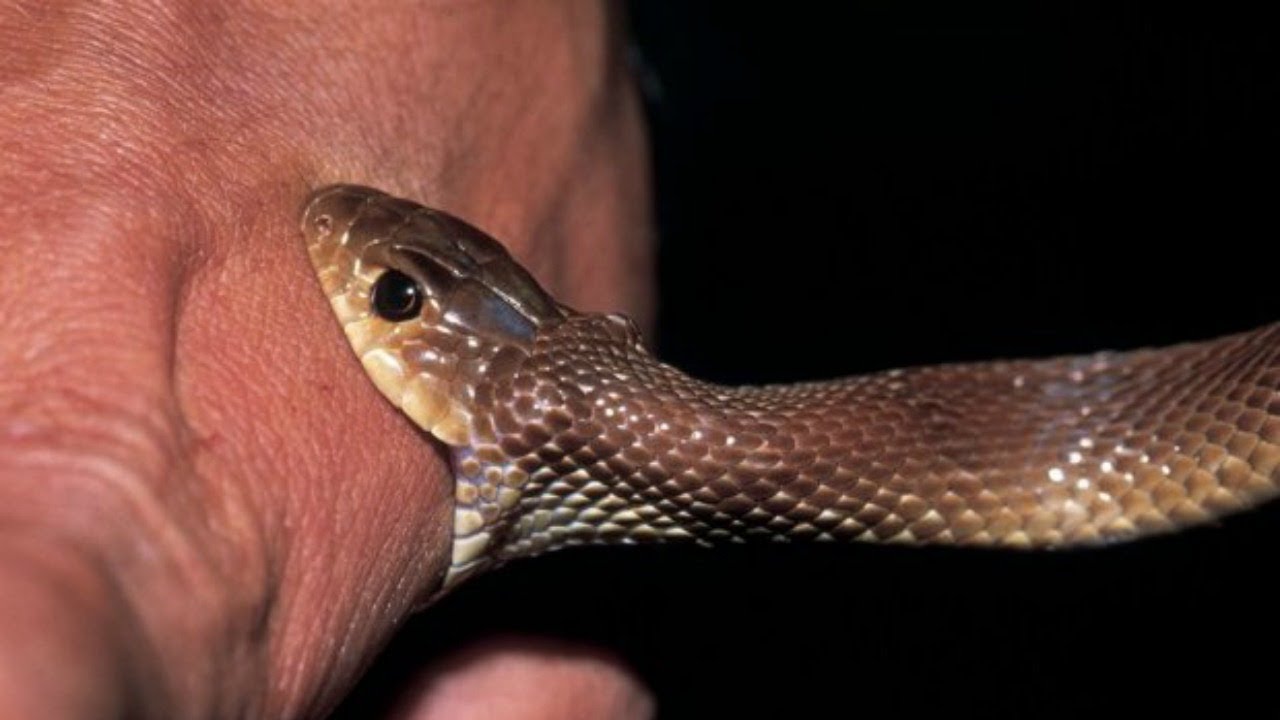
Dr Nicholas Amani-Hamman, Medical Director of the Snakebite Treatment and Research Hospital in Kaltungo, Gombe State, has cautioned that tying cloths around a snakebite to prevent venom movement is both dangerous and outdated.
He also warned victims against cutting the bite site with razor blades or other sharp objects to extract presumed poison, explaining that such practices can worsen injuries and significantly reduce the chances of survival.
His statement was in response to the death of Nigerian aspiring singer, Ifunanya Nwangene, who reportedly died after a snakebite in Abuja on Saturday.
The medical director said the singer might have survived if she had been transported to Gombe for urgent medical care, noting that the Kaltungo facility receives snakebite patients from across Nigeria, Cameroon, and Chad.
According to him, first aid response is critical in snakebite cases.
Amani-Hamman said, “First aid is very important, and the person should be told not to use the limb that is affected, not to tie the place. Tying of the place is an old idea, so that the venom will not spread. It is not advisable because when you do that, the concentration of the venom will be where the bite occurred. The devastating effect will affect that particular area. When you tie the place, you end up blocking the blood supply to the limb, leading to other dangers as well. You don’t tie the place. You don’t use a razor to cut it. The limb usage should be discontinued.”
He further warned that victims should avoid activities that could increase heart rate.“Patients are advised not to cross a river. The reason is that when you cross a river, naturally your heart rate increases, no matter how small the river is, and the venom will spread very fast. When the limb is not used, the person should be carried and brought to the hospital, preferably a nearby hospital where there is anti-snake venom,” he said.
Amani-Hamman added that victims should not attempt self-diagnosis.“We advise that when someone is bitten and is unsure what it is, the person should come to the hospital so that we can confirm it. Our facility in Kaltungo is well equipped such that we can identify whether or not it is a snakebite,” he said.
He reiterated the danger of tying the affected limb, saying, “Tying a piece of cloth will localise venom in the affected part. It may block the blood supply in that particular region. Venom travels very fast; the venom is already moving around.”
He also dismissed concerns about intravenous fluids, stating that “Drip can’t worsen the condition; it doesn’t have adverse effects.”
Speaking on the broader neglect of snakebite management, the physician called for international intervention.
Punch
See also:
US Military Enters Nigeria as Boko Haram, ISWAP Threats Grow
Over 80% of Candidates Score Five Credits as NECO Releases 2025 SSCE External Results
I didn’t steal taxpayers’ money. Malami
Rice, Beans, Garri, Tomatoes, Onions Record Price Decline – NBS
Alleged N868.46m Fraud: Ex-Acting Accountant-General Seeks Acquittal