
Headlines
Rising Oil Prices Should Be Nigeria’s Moment — Not Its Misfortune
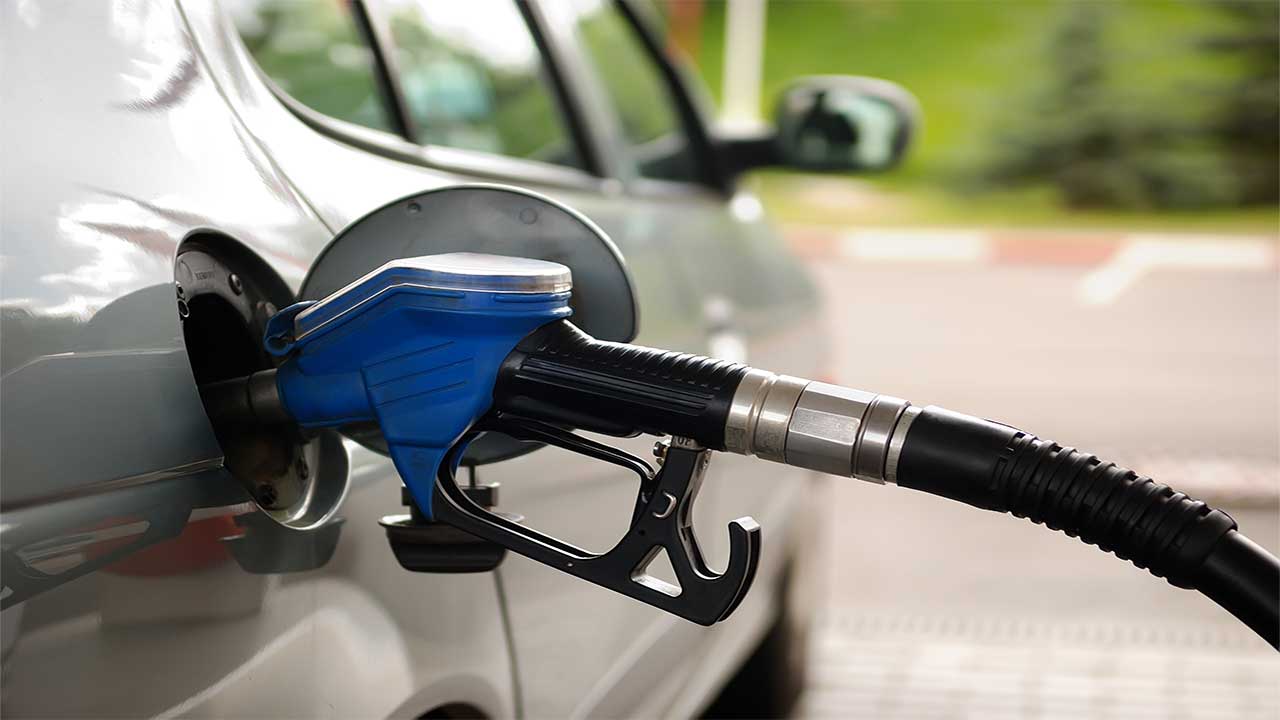
For most oil-producing countries, rising crude oil prices bring relief. Government revenues rise, foreign reserves strengthen, and the economy receives a much-needed boost. In Nigeria, however, higher oil prices still translate into hardship for citizens. It is a paradox that exposes deeper structural problems in the country’s energy and economic management.
Ordinarily, Nigeria should be one of the biggest beneficiaries of rising crude prices. As Africa’s largest oil producer, higher global prices should increase national income, improve fiscal stability, and create room for economic recovery. Instead, Nigerians are greeted with higher petrol prices, rising transport costs, and renewed pressure on household budgets.
What makes the situation even more troubling today is that the old explanation no longer fully applies.
For years, Nigeria blamed its vulnerability on the fact that it exported crude oil but imported refined petroleum products. That argument carried weight when domestic refining capacity was weak. But the emergence of large-scale local refining has significantly altered the landscape. With the country now producing most of its petrol domestically, Nigerians expected that global oil price shocks would no longer translate directly into pain at the pump.
Yet the hardship persists.
The reason lies in a fundamental reality of the global oil market: crude oil prices determine the cost of refined products everywhere. Whether petrol is refined in Lagos, Rotterdam, or Singapore, its price is still tied to the international value of crude oil. As crude prices rise, the cost of refining and supplying petrol also rises.
In other words, domestic refining alone cannot automatically shield Nigerians from global energy volatility.
However, that does not mean citizens should feel no benefit from rising crude prices. Higher oil prices should strengthen government revenues through increased export earnings. These revenues should, in theory, provide fiscal space for infrastructure investment, social protection, and economic stabilisation.
Instead, Nigerians often experience the opposite. Inflation rises, transportation becomes more expensive, and the cost of basic goods climbs rapidly.
This disconnect reflects a deeper economic imbalance. Nigeria’s economy remains heavily dependent on petroleum revenues while lacking strong buffers to protect citizens from price shocks. When global oil prices rise, the gains accumulate at the macroeconomic level, while the costs are immediately transmitted to ordinary people.
That imbalance must change.
A country that produces crude oil, refines petrol locally, and exports energy resources should not be trapped in a cycle where citizens dread the very commodity that sustains the national economy.
Nigeria’s challenge is no longer merely about refining capacity. It is about building a resilient economic structure that converts resource wealth into broad-based prosperity. Transparent management of oil revenues, improved domestic supply chains, and policies that cushion citizens from global price volatility are essential.
Rising crude prices should be a moment of national advantage. For Nigeria, they too often remain a reminder that natural resources alone do not guarantee economic benefit.
Until the country finds a way to translate oil wealth into real relief for its people, every surge in global prices will continue to produce the same troubling irony: the nation may earn more from oil, but Nigerians pay more for petrol.