
Foreign News
Iran Threatens Full Closure of Strait of Hormuz as Middle East Conflict Escalates
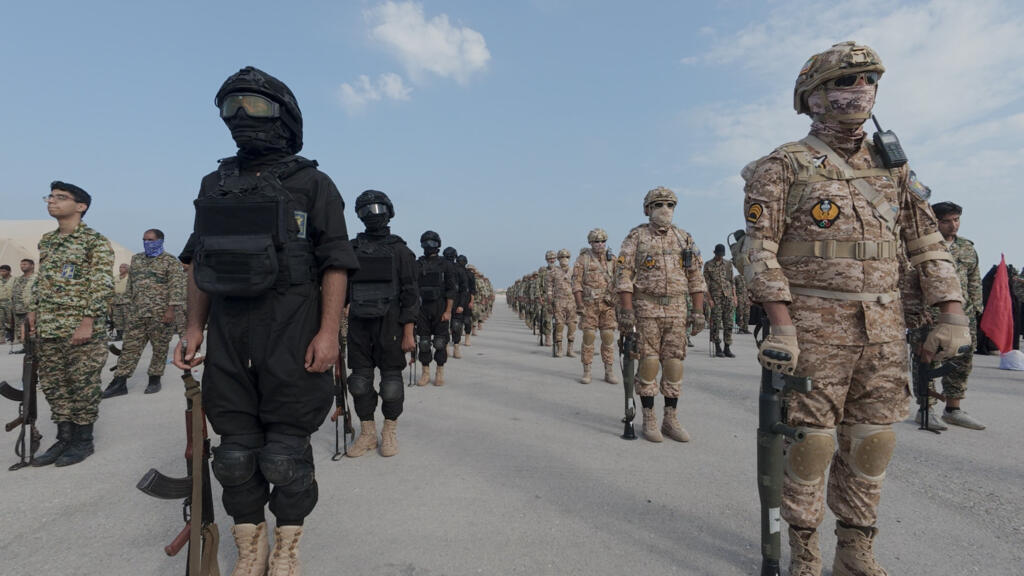
Tensions in the Middle East have intensified after Iran’s military warned it could completely shut down the strategic Strait of Hormuz, a critical global oil route, if the United States carries out threats to strike its energy infrastructure.
The warning, issued on Sunday by Iran’s Khatam Al-Anbiya operational command, follows an ultimatum reportedly issued by Donald Trump, giving Tehran 48 hours to reopen the waterway, which has seen severe disruption since the outbreak of hostilities in late February.
The ongoing conflict, triggered by coordinated US-Israeli strikes on Iranian targets, has rapidly expanded across the region, with Iran launching retaliatory drone and missile attacks on both Israel and US-linked facilities.
Iranian authorities say any further attack on their power plants would provoke a decisive response, including a total closure of the Strait of Hormuz—a narrow but vital passage through which roughly 20 per cent of global crude oil and liquefied natural gas shipments pass.
Analysts warn that such a move could have far-reaching consequences for global energy markets, potentially driving up oil prices and disrupting supply chains worldwide. Already, maritime traffic through the strait has dropped sharply, with only a fraction of vessels able to transit the route amid heightened security risks.
Iran has reportedly targeted ships it claims ignored warnings to avoid the area, while allowing limited passage for vessels from countries it considers neutral or friendly.
Beyond maritime threats, Iran has also signalled its readiness to expand the conflict by targeting energy and communication infrastructure in Israel and in countries hosting US military bases.
Meanwhile, Iran’s parliament is considering new measures to regulate shipping through the strait, including the introduction of tolls, suggesting that even if hostilities ease, normal operations may not resume quickly.
The Strait of Hormuz has long been a geopolitical flashpoint due to its strategic importance. Previous tensions in the region have raised similar fears of disruption, but a full closure would mark a significant escalation with global economic implications.