
Headlines
Opposition Leaders Lead #OccupyINEC Protest Over ADC Crisis, Warn Against ‘Democratic Erosion’
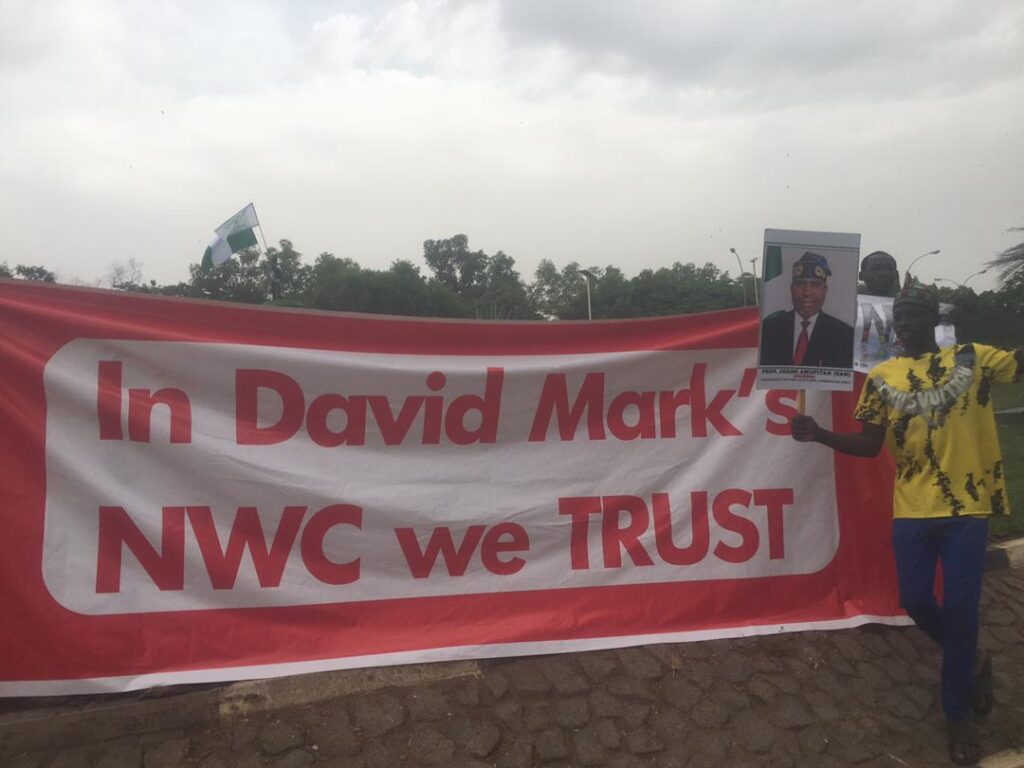
Prominent opposition figures on Wednesday converged in Abuja to protest what they described as growing threats to Nigeria’s democratic system, following recent actions by the Independent National Electoral Commission affecting the African Democratic Congress.
The demonstration, tagged #OccupyINEC, drew a coalition of political heavyweights, including Atiku Abubakar, Peter Obi, Rabiu Kwankwaso, Rotimi Amaechi and Rauf Aregbesola, alongside hundreds of supporters who gathered at Maitama Roundabout.
Protesters, including members of the Kwankwasiyya movement, marched with placards expressing solidarity with the faction of the party led by David Mark, while condemning INEC’s decision to suspend recognition of rival leadership groups within the ADC pending the resolution of ongoing litigation.
The controversy stems from a Court of Appeal ruling directing INEC to maintain the status quo in the party’s leadership dispute. However, opposition figures argue that the electoral body’s interpretation of the ruling effectively paralyses the party’s operations and undermines internal democracy.
Addressing the crowd, Obi urged Nigerians to remain vigilant, warning that the country risks sliding toward a one-party system if democratic institutions are weakened. He called for collective action to safeguard political pluralism and ensure credible electoral processes ahead of the 2027 general elections.
In a symbolic display of dissent, protesters sang Nigeria’s former national anthem, “Arise, O Compatriots,” despite its replacement in 2024 by the reinstated independence anthem. Organisers described the act as a statement against perceived authoritarian tendencies.
The protest reflects rising tensions within Nigeria’s opposition space, as political actors reposition ahead of the next election cycle. Analysts say the ADC crisis and INEC’s involvement highlight broader concerns about party autonomy, judicial influence, and the balance of power in the country’s democratic framework.
With multiple court cases still pending, stakeholders warn that prolonged uncertainty could weaken opposition parties and reshape the political landscape in the run-up to 2027.
See also:
FG Orders Withdrawal of Passports From Nigerians Who Renounce Citizenship