
Editorial
Aggression Over Dialogue: The Perilous Path of America’s Invasion of Venezuela.
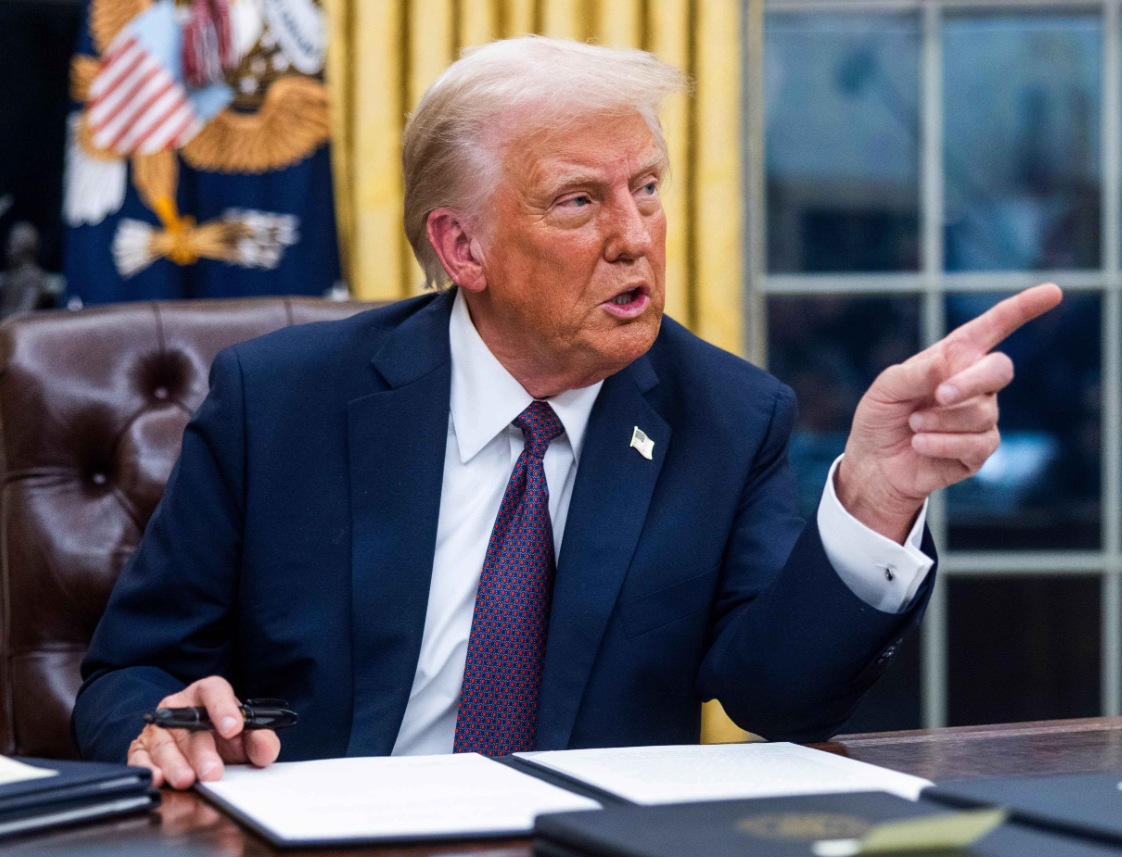
The recent military incursion by the United States into Venezuela marks a troubling escalation in international relations, one that raises serious concerns about sovereignty, constitutional integrity, and the potential for global conflict. The events surrounding the ousting of Nicolás Maduro, a leader whose grip on power had been characterized by repression, illustrate not only the vulnerability of autocratic regimes but also the dangers of unilateral action by powerful nations.
In a revealing New Year’s Day interview, Maduro expressed his willingness to engage in negotiations with the U.S., emphasizing his readiness for investment in Venezuela’s oil sector. Yet, his overtures were met with a swift military response from President Donald Trump, who, in a predawn raid, forcibly removed Maduro from power. The implications of such an operation are profound; it signals a disturbing trend where might is perceived as right. This is a far cry from the democratic values the U.S. claims to uphold.
Trump’s actions raise critical questions about respect for the Constitution and the sovereignty of other nations. The United States has long positioned itself as a defender of democracy, yet the recent events in Venezuela suggest a willingness to bypass diplomatic channels in favor of military intervention. This approach not only undermines international law but also sets a precedent for future conflicts. If Trump continues on this path, we risk an escalation that could lead to a third world war, as nations like Russia and China may feel emboldened to act similarly in their own geopolitical disputes.
The “petrodollar” issue looms large in this context. Venezuela, possessing one of the largest oil reserves in the world, has often been seen through the lens of its energy resources. Trump’s administration has shown a keen interest in controlling this valuable asset, raising the stakes of intervention. The pursuit of oil, rather than the promotion of democracy, appears to be a significant motivator behind the U.S. actions in Venezuela. This is a dangerous game where the stakes are not just economic, but also ethical.
As we reflect on these events, it becomes clear that the implications of America’s actions extend beyond the borders of Venezuela. The global order is precarious, and the willingness of the U.S. to engage in military interventions could lead to a cascade of conflicts. We must ask ourselves: what does it mean for our world when the balance of power is dictated by unilateral military action rather than cooperative diplomacy?
In conclusion, the situation in Venezuela is a stark reminder of the complexities of international relations and the potential for conflict when powerful nations choose aggression over dialogue. As citizens of the world, we must advocate for solutions that prioritize respect for sovereignty and seek to engage in constructive dialogue rather than resorting to force. The future of global peace may very well depend on it.
See also:
Second Attack in One Week: Bandits Abduct 177 Worshippers in Southern Kaduna
NELFUND MD Akintunde Sawyer Reports ₦174bn Loan Distribution to Over 800,000 Students
Former Zenith Bank Associate Testifies on Emefiele’s Alleged ₦1.6 Billion Disbursement
Kaduna Abduction: CAN Faults Security Agencies’ Public Response
Lekki–Epe Repairs Begin Sunday: Lagos Unveils Diversions, Counterflow Plans