
Foreign News
Donald Trump says US will Run Venezuela and Sell Oil
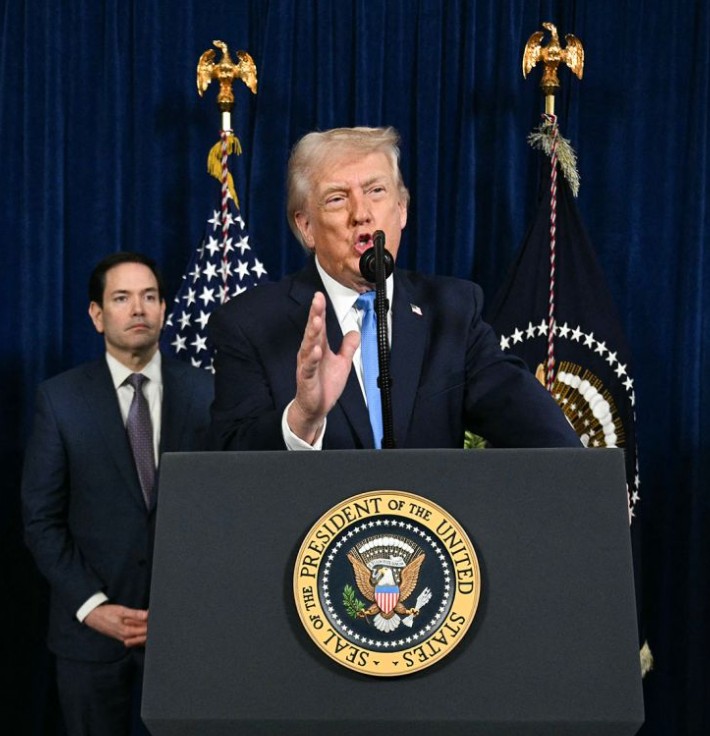
Washington — In a dramatic turn of events, the U.S. military successfully ousted Venezuelan leader Nicolás Maduro, marking a significant escalation in the Trump administration’s campaign for regime change in the beleaguered South American nation. Following hours of a meticulously planned operation, President Donald Trump announced that the United States would temporarily take control of Venezuela, leveraging its extensive oil reserves to bolster the global market.
The operation capped months of mounting pressure from the U.S., culminating in a bold strategy aimed at dismantling Maduro’s authoritarian regime. Speaking to the press from his Mar-a-Lago estate, Trump declared the mission an “overwhelming success,” vowing to restore Venezuela’s oil infrastructure and facilitate the export of “large amounts” of oil to international buyers.
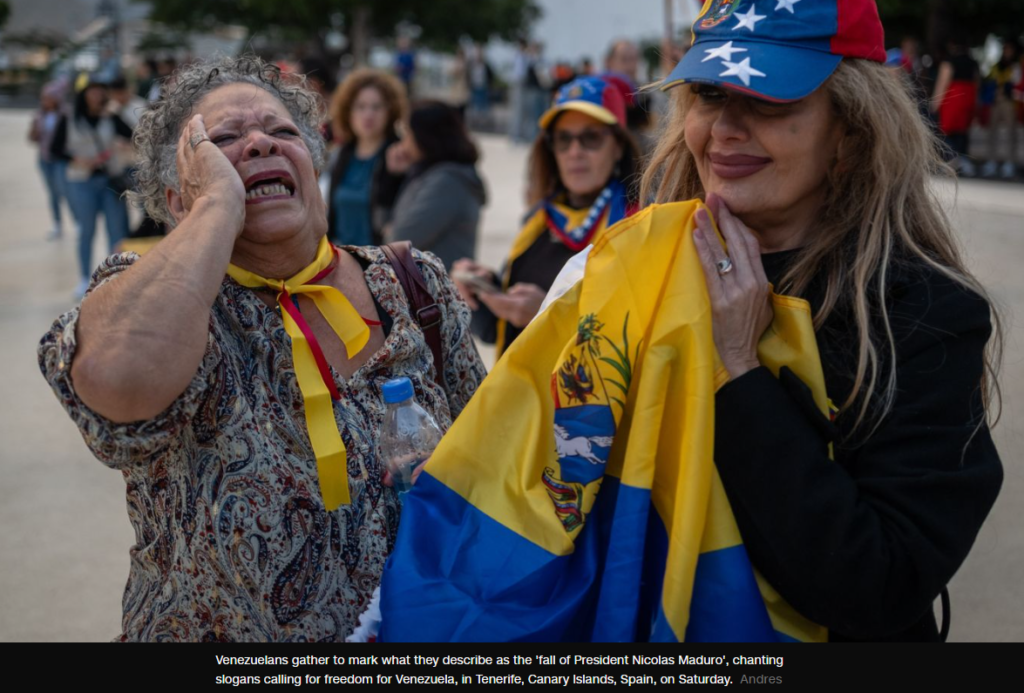
“We’re going to govern the country until we can ensure a safe and orderly transition,” Trump stated, emphasizing the necessity of the operation as a deterrent against threats to U.S. sovereignty.
In a swift response, Venezuela’s vice president condemned the U.S. actions in a televised address, demanding the immediate release of Maduro, whom he labeled as the rightful leader of Venezuela. Maduro and his wife were apprehended during the night at their residence on a military base and transported aboard a U.S. warship, reportedly headed for New York to face serious charges related to a narco-terrorism conspiracy.
While the legal justification for the operation remained somewhat ambiguous, the Trump administration defended it as a preemptive measure to combat the flow of illegal drugs. The U.S. has long accused Maduro’s government of being a corrupt regime, sustained by drug trafficking that funnels cocaine into American streets.
Despite Trump’s assertions of U.S. oversight in Venezuela’s governance, immediate signs of control were lacking. Venezuelan state media continued to broadcast pro-Maduro content, featuring images of supporters rallying in Caracas, defying the U.S. intervention.
The Justice Department had previously indicted Maduro and his associates in 2020, with a new indictment released on the same day as the military operation, reiterating the charges of narco-terrorism and corruption. Trump’s social media updates included a photograph of a subdued Maduro in a sweatsuit and blindfold aboard the USS Iwo Jima, further underscoring the dramatic nature of the operation.
This bold military action followed a sustained campaign that involved the positioning of U.S. forces near South America and targeted strikes against vessels suspected of drug trafficking in the Caribbean and eastern Pacific. Intelligence operations also included a drone strike against a location believed to be used by Venezuelan drug cartels, marking a significant escalation in U.S. involvement on Venezuelan soil since strikes began in September.