
Editorial
Election Result Transmission: When Influence Isn’t Enough
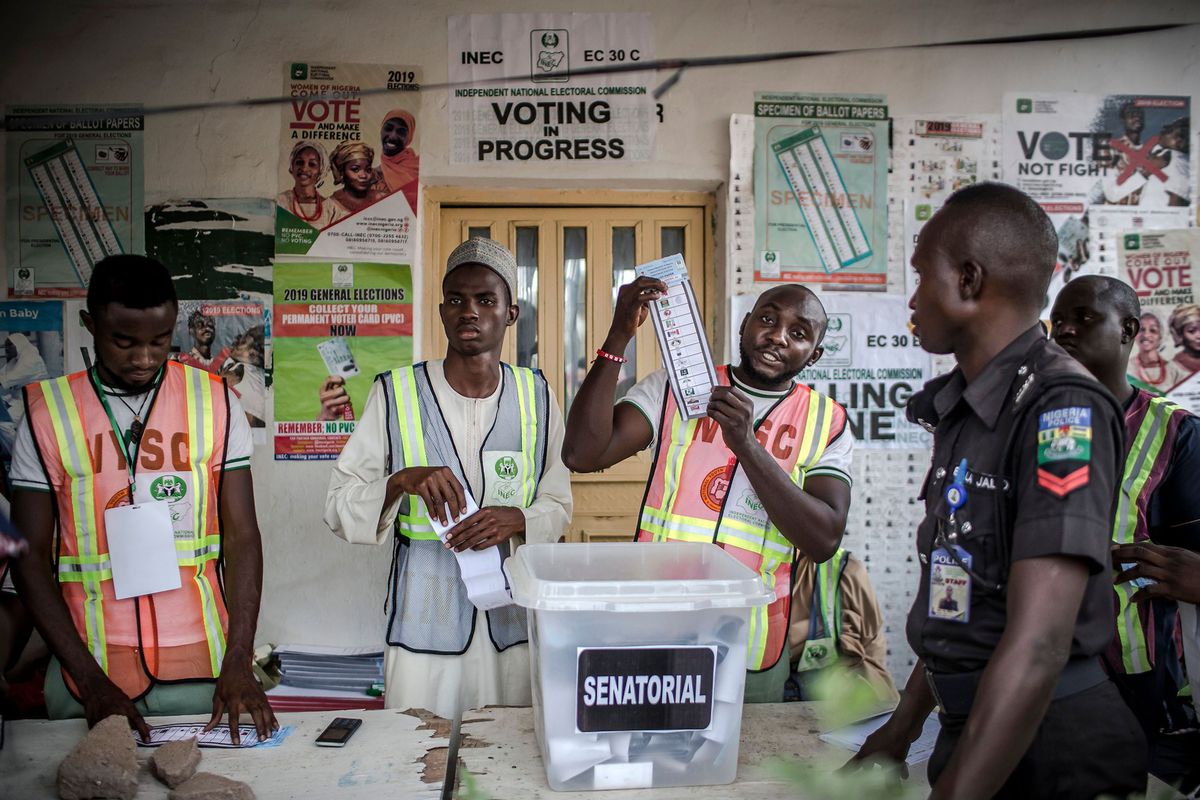
In recent months, as the 2027 election approaches, President Bola Tinubu has moved with calculated speed to consolidate political influence across the country. Governors have crossed party lines in submission to his authority, while power blocs have realigned under the weight of political pressure or intimidation. Even celebrities who were once outspoken critics of government now find themselves courted, co‑opted, coerced, or quietly aligned.
Yet, despite this vast leverage, one question persists: why is the administration so fearful of electronic transmission of election results that it pressures the Senate into opting for manual transmission instead? This raises troubling concerns. Why would a government already wielding such influence resist a system designed to reduce interference?
The deeper issue lies in the ongoing debates around electoral reforms, particularly the electronic transmission of results. The credibility of elections depends heavily on transparency. Any attempt to weaken the autonomy or technological safeguards of the Independent National Electoral Commission risks eroding public trust. Nigerians have consistently demanded stronger, not weaker, mechanisms for electoral accountability.
Again, if a ruling party already controls a broad swathe of governorships and commands significant institutional leverage, why the urgency to expand influence further into constitutional matters? Is this strategic governance or some type of political overcompensation?
There are two possible interpretations. One is that the administration is pursuing dominance as a shield against future uncertainty, determined to leave nothing to chance in an unpredictable political landscape. The other is more unsettling: that there is a lingering anxiety about public discontent, a recognition that economic strain, inflation, and widespread hardship have generated quiet but deep frustration among citizens.
Apathy can be more dangerous than open opposition. When citizens disengage, democracy weakens. But when leaders interpret silence as consent, they risk misreading the national mood.
Strong governments do not need to overextend their grip on narrative, institutions, and process. They rely instead on performance, transparency, and legitimacy. Attempts to manipulate electoral safeguards only reinforce suspicions of insecurity.
Ultimately, the question confronting the administration is not how much control it can accumulate, but how much trust it can sustain. Power secured through broad consent is durable. Power sustained through strategic dominance alone is fragile.
Nigeria’s democracy does not need consolidation of control; it needs consolidation of credibility.
The government must decide which legacy it seeks to build.