

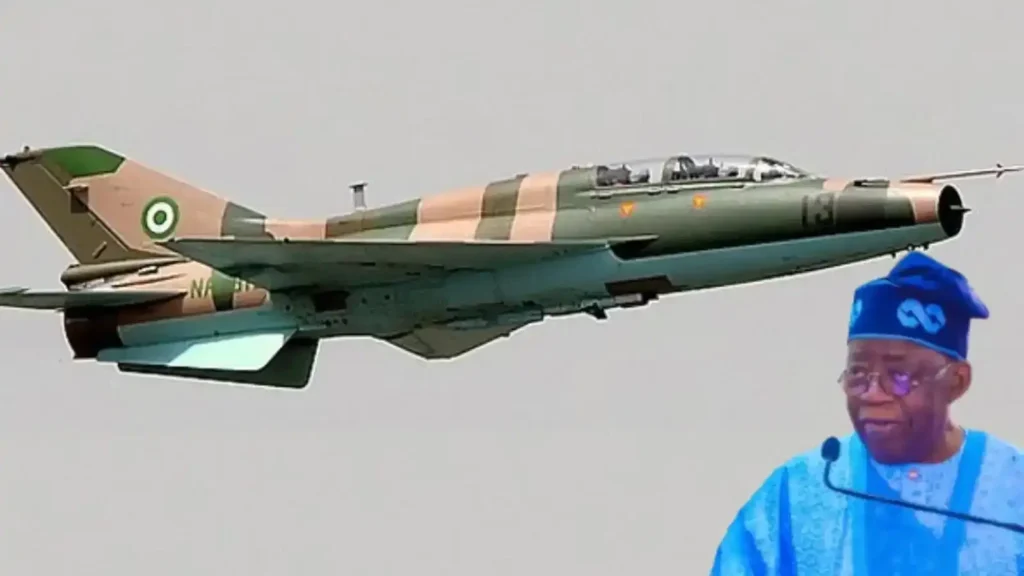
Nigerians are learning a harsh lesson about speed and priority from the Bola Tinubu-led government. They are realising that when there is trouble outside the borders of the country, the government in Abuja is amazingly swift in its actions. Decisions are quickly taken. Soldiers are quickly mobilised. Declarations are bold.
The problem, however, is when the trouble is within the borders, with Nigerians being kidnapped, slaughtered, and forced out of their communities.
The contrast here is impossible to overlook.
Terrorism in the North East, banditry in the North West, and kidnapping on major highways and farmland; insecurity is a reality that has come to daily life in Nigeria. Communities are living under siege. Families are liquidating all they have to pay ransom. Children are being kidnapped from schools. Yet, the reactions from Abuja are typically late, disjointed, and full of promises but short on implementation. Even after declaring a nationwide security emergency on November 26, ordering mass recruitment and more boots on the ground, attacks persist. Some hostages freed, yes, but many remain captive. Progress crawls while blood flows.
Then there is the crisis on the outside, and the tone alters. The machinery of the state swings into action. The state asserts its authority. It is portrayed as a force for stability in the regions, always on call. The message is unmistakable. In solving crises that are outside of Nigeria, speed is a possibility. Capacity is available.
If the state can mobilise jets and troops overnight for a neighbour’s stability, why the hesitation for its own citizens?
There is no one who is against the presence of Nigeria in a leadership position in Africa. This is because of its size and might. However, a government that is more concerned with what is happening in other countries, as opposed to the daily shedding of blood in the country, might find itself losing such moral authority.
Security is not gauged by speeches or foreign media interventions. Security is assessed based on whether people can go back to farming, whether kids are going back to school without fear, and whether people from Nigeria can go on the roads without having to calculate the cost of ransom. On these, progress has been painfully low.
The problem is not with insecurity itself, but with the signal that is being sent. That some crises call for urgent actions, while others are amenable to statements and patience. Such a signal worsens public disgruntlement, as well as the divide between government and people.
A country cannot look strong abroad when insecurity is brewing inside. Until the level of urgency displayed when responding to a foreign crisis is met with a similar determination to eradicate terrorism, kidnapping, and banditry in the country, the boast of strong leadership will remain hollow.