
News
Lagos Does Not Need More Roads, It Needs Better Ones
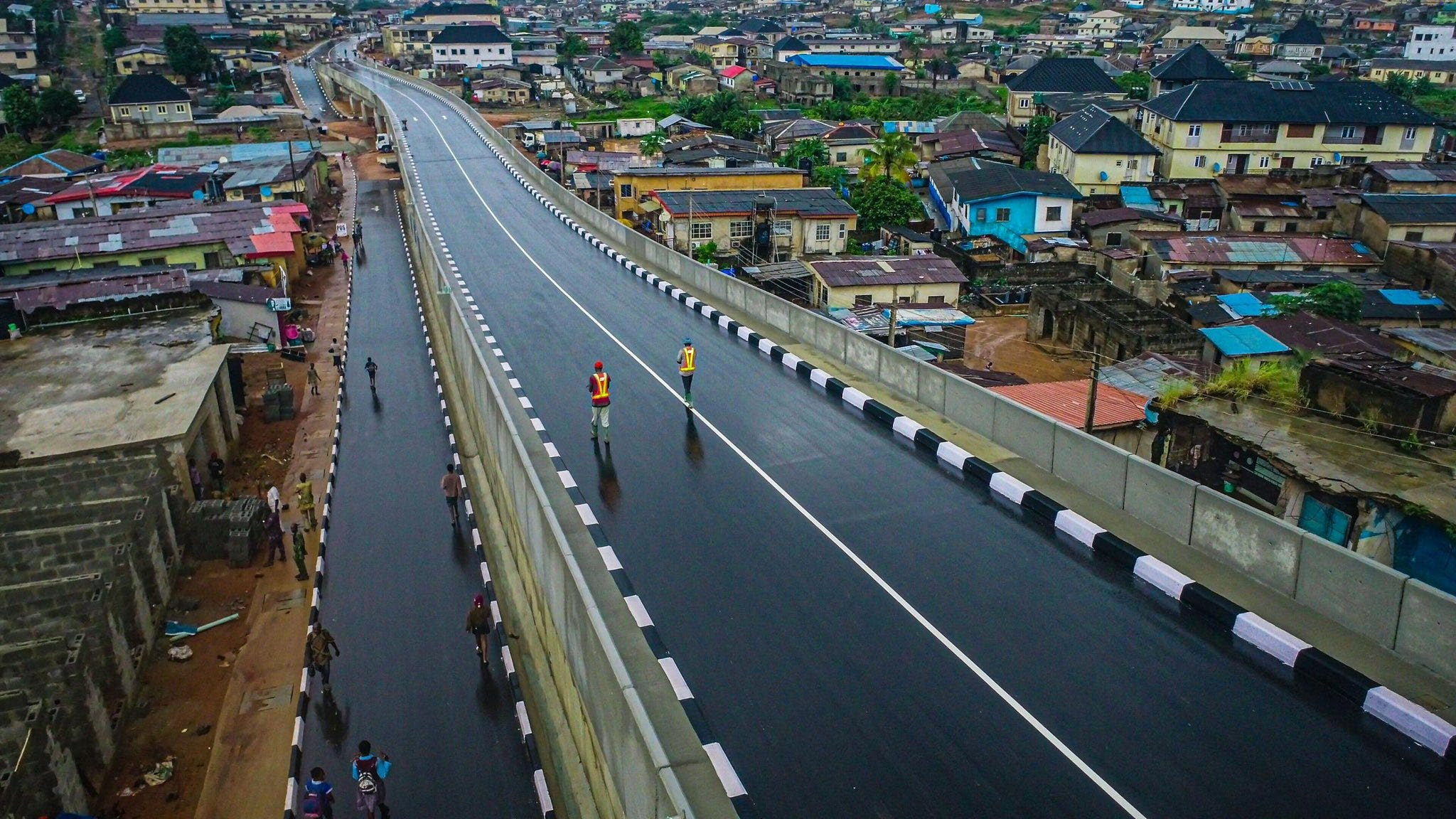
Lagos has a traffic problem. Everyone agrees on that. But the usual response from many which is always to build more roads is not the solution they think it is.
In fact, Lagos does not desperately need more roads. What it urgently needs is better roads.
Across the city, traffic jams are not always caused by the number of vehicles alone. They are often caused by bad road conditions: potholes that force drivers to slow to a crawl, broken sections that squeeze three lanes into one, flooded stretches that paralyze movement, and unfinished repairs that become permanent bottlenecks.
A single bad stretch of road can slow thousands of vehicles. When drivers brake, swerve, or queue to avoid damaged sections, traffic multiplies behind them. What should be a smooth 10-minute drive becomes a 40-minute ordeal. Yet when roads are properly fixed, the difference is immediate.
Take for example, the stretch from Ajah to Jakande along the Lekki–Epe Expressway.
For years, that corridor was a daily test of patience. Rough surfaces, uneven patches, and constant slowdowns turned short distances into long journeys.
But once sections of the road were properly rehabilitated, travel time dropped dramatically.
Even during working days when traffic should logically peak, vehicles now move far more smoothly. Nothing magical happened. No new mega-road appeared. The existing road was simply made better. This is the quiet truth about Lagos traffic: flow improves when roads are smooth, continuous, and properly maintained.
When drivers are not dodging potholes or squeezing through damaged lanes, traffic behaves differently. Cars maintain steady speeds, bottlenecks disappear, intersections clear faster, and commutes shorten.
Fixing existing roads can reduce traffic congestion by 60 to 70 per cent in many areas without laying a single new kilometre of asphalt.
And the benefits go beyond convenience to include less vehicle damage, lower fuel consumption, reduced stress for commuters, and higher productivity for the city
Building entirely new roads is expensive, slow, and disruptive. It often requires land acquisition, demolition, and years of construction.
But repairing existing roads is faster, cheaper, and far more immediate in its impact.
In a city as dense and complex as Lagos, the smartest infrastructure strategy goes beyond expansion; it is restoration.
Before planning the next grand highway project, the city should look closely at the roads it already has.
Because sometimes the fastest way forward is not to build more roads, it is simply to fix the one beneath our wheels.