
Headlines
Snakebites: A Preventable Scourge That Exposes Nigeria’s Healthcare Rot
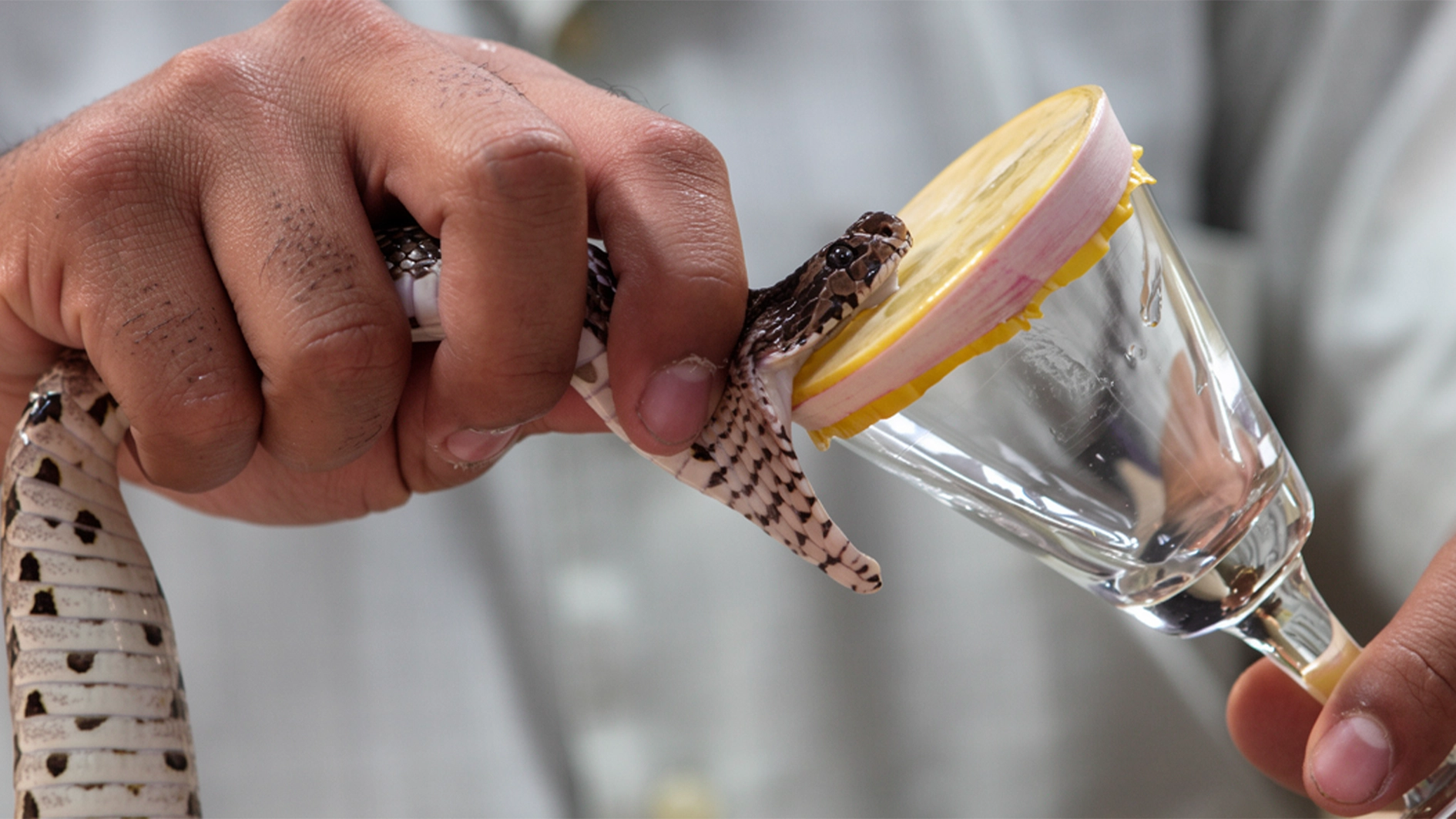
In the heart of Abuja, the nation’s capital, a young woman’s life was tragically cut short by an enemy as old as time: a snakebite. Sometimes, you think about the story and wonder if it is true that the hospitals in the capital of the largest black nation could not save a snakebite victim.
Ifunanya Nwangene, a 26-year-old aspiring singer who had captivated audiences on The Voice Nigeria, was bitten by a cobra while asleep in her Lugbe apartment. Despite frantic efforts to seek medical help, she succumbed hours later after two hospitals reportedly failed to provide timely and adequate treatment. Her death, on January 31, 2026, is not just a personal tragedy but an unfortunate indictment of Nigeria’s healthcare system. It is not new information that the Nigerian health system is in a comatose state. But it does seem, however that there is always a new low for the system.
Nigeria grapples with an estimated 15,000 to 20,000 snakebite cases annually, resulting in about 2,000 deaths and 1,700 to 2,000 amputations. These figures are not always reported accurately, for whatever reason. States like Gombe, Plateau, Adamawa, and Borno bear the heaviest burden, where farmers and herders encounter venomous species like carpet vipers and cobras in their daily lives. It is ridiculous that snake bites do not typically mean death sentence, except if you are in nigeria. The venom of systemic failures such as chronic shortages of anti-venom, inadequate storage facilities, untrained personnel, and a reliance on imported supplies that cost the nation nearly $12 million yearly, are the main killers. It breaks heart to know that many hospitals in the capital city often lack the life-saving vials or complementary drugs like neostigmine, turning a treatable condition into a death sentence.
This is inexcusable in 2026, when snakebite management has long been a settled science globally. Consider Australia, a country teeming with some of the world’s deadliest snakes, yet recording fewer than three fatalities per year. In Australia, anti-venom is readily available in hospitals, supported by robust public health campaigns, rapid emergency responses, and domestic production that ensures affordability and efficacy.
What about the United States, where 7,000 to 8,000 bites occur annually, yet deaths are rare. Maybe averaging just five, big thanks to widespread access to antivenoms like Crotalidae polyvalent immune Fab, well-equipped facilities, and insurance-covered care that minimises delays. Even India, which mirrors Nigeria’s high burden with around 50,000 deaths yearly, has made strides by producing affordable anti-venom domestically at $6 to $11 per vial, though quality challenges persist. These nations invest in prevention, training, and supply chains, proving that snakebites need not be fatal.
In contrast, Nigeria’s approach reeks of neglect. Anti-venom is unevenly distributed. Do not even think of primary health centres, where most victims first seek help, yet do not usually have these antivenoms. Referrals to tertiary facilities like the Federal Medical Centre in Jabi exacerbate delays, as seen in Nwangene’s case. The Federal Ministry of Health claims to hold stocks of 29 vials of Echitab Plus and 469 of Panaf Premium ASV, but these are woefully insufficient for a nation of over 200 million. Out-of-pocket costs deter the poor, and traditional remedies like incisions or tourniquets only worsen outcomes. This is a policy failure, not a resource scarcity issue; after all, the country spends billions on less pressing matters while importing anti-venom that could be produced locally. Even the ones important if at all are, do not get to the actual destination.
The Senate’s recent call for mandatory anti-venom stocking in hospitals is a step in the right direction, but words without action are hollow. The government must prioritise local manufacturing, as urged by the Association of Community Pharmacists of Nigeria, to end donor dependency and reduce costs. Training programs for healthcare workers, regional anti-venom hubs in high-risk areas, and public awareness campaigns on prevention, such as wearing protective footwear and clearing bushy environments, are essential. International partnerships, like those with the World Health Organisation, could accelerate these efforts.
Nwangene’s death, alongside other high-profile tragedies, maps a healthcare system in collapse. It is time for Nigeria to shed this shameful skin of inaction. Lives depend on it; the next bite could strike anyone, anywhere. The question is: Will the authorities finally act, or continue to let preventable deaths slither through the cracks?