
News Update
Strongman Yesterday, Victim Today: Nigeria’s Repeating Political Cycle
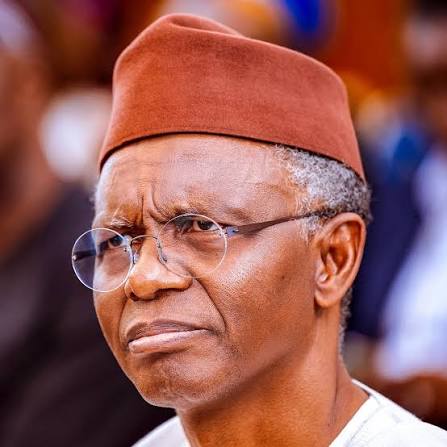
The unfolding legal and political drama surrounding Nasir El-Rufai has triggered a familiar spectacle in Nigerian politics. That is, the sudden transformation of once-powerful leaders into victims of the very system they previously commanded with iron confidence.
Of course, we will see their public appearances and statements suggesting innocence and politically motivated persecution. But we know, those types of messaging are only carefully framed to rally public sympathy, mobilise political allies and recast the narrative from accountability to victimhood.
During his tenure as governor of Kaduna State, El-Rufai cultivated an image of a strong, uncompromising authority figure. He gave the narrative of being decisive, often confrontational, and largely resistant to dissent. Critics repeatedly argued that governance under his watch reflected a style that projected invincibility rather than empathy, particularly toward opposition voices, civil society actors and communities that felt marginalised.
One of the most persistent controversies tied to his administration remains the prolonged insecurity in Southern Kaduna. The region experienced cycles of violence, displacement and communal tension that many residents described as neglectfully handled or insufficiently addressed. Community leaders and advocacy groups frequently accused the government of slow responses, controversial policy statements and a failure to build trust among affected populations. Whether accepted or disputed, those criticisms contributed to a perception that the area had become dangerously exposed, with repeated attacks deepening trauma and mistrust.
Beyond security concerns, his tenure was also marked by disputes over demolitions, labour confrontations, strained relations with traditional institutions and political hardline rhetoric. Supporters said his actions were reformative and firm, while on the other hand, others saw intolerance and disregard for human consequences. What is undeniable is that his leadership style rarely conveyed vulnerability and certainly not the tone of helplessness now being projected.
When you do not see concerted efforts to defend him, this explains it. In Nigeria’s political culture, reputational capital often determines whether a leader receives grassroots defence in moments of crisis. When citizens struggle to recall acts of compassion, inclusion or protective leadership, mobilising emotional support is always very difficult, even with heavy capital. Silence from former beneficiaries, communities and civil actors can be as politically loud as outright condemnation.
There is also a deeper lesson one cannot miss in this whole crisis. Power in Nigeria often creates the illusion of permanence. Leaders behave as though authority is self-sustaining, forgetting that political dominance is temporary while public memory is enduring. The same institutional instruments once used to intimidate, silence or overpower others frequently resurface when political tides shift.
The absence of widespread pity toward embattled politicians is therefore not always cruelty; it is mot times a reflection of accumulated grievances. Many Nigerians feel locked out of formal justice mechanisms, leaving them to interpret accountability through political reversals rather than courtroom outcomes.
Across administrations, those who govern with excessive force, disregard dissent or weaponise authority often discover that political isolation arrives swiftly once power fades. The applause disappears, allies grow cautious, and narratives once controlled begin to fragment.
For those currently in power, the way authority is exercised today can determine how they are treated tomorrow. When leaders use power without empathy, they may command obedience, but they rarely earn genuine loyalty. And when authority is applied without fairness, it becomes difficult for such leaders to find defenders when they eventually face criticism or vulnerability.
The real conversation goes beyond whether any politician declares innocence or becomes the subject of investigation; those are matters for institutions and due process. The deeper issue is the legacy leaders build while in office. Politicians who govern with restraint, fairness and visible compassion often leave behind people willing to speak on their behalf when controversies arise. In contrast, those perceived to have ruled through fear, exclusion or indifference frequently find themselves isolated when challenges emerge.
Power in Nigeria is temporary, but public memory endures. How leaders treat citizens, opponents and institutions does not disappear with the end of their tenure.
Ultimately, whether politicians act justly or unjustly toward the people, their karma often rests in the hands of the next government, because today’s authority can become tomorrow’s vulnerability.