
Economy
TAX REFORM MORE CRUCIAL THAN FUEL SUBSIDY REMOVAL — OYEDELE
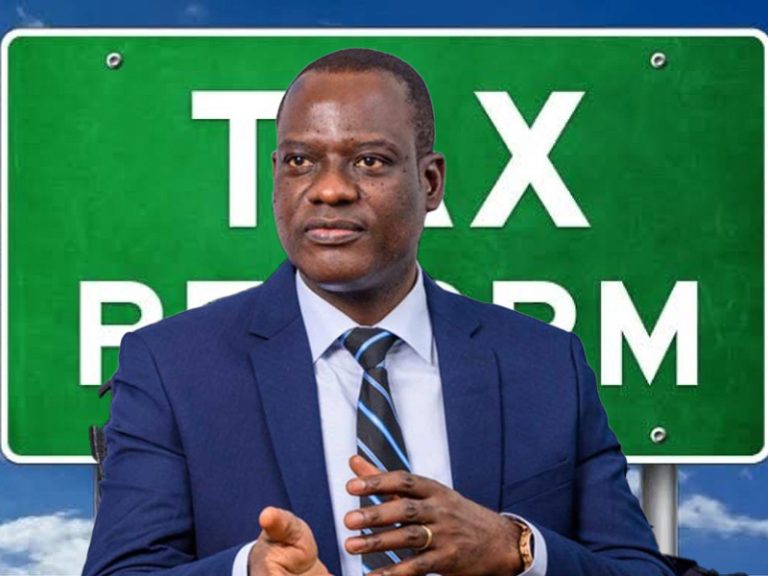
LAGOS — Mr. Taiwo Oyedele, Chairman of the Presidential Committee on Fiscal Policy and Tax Reforms, emphasized that Nigeria’s tax reform efforts hold greater significance for the nation’s economic future compared to the much-discussed removal of fuel subsidies, as announced by President Bola Tinubu during his inauguration.
Speaking at a stakeholder meeting with the Manufacturers Association of Nigeria (MAN) in Lagos, Oyedele highlighted the theme, “From Legislative Assembly to Factory Floor: What the New Tax Laws Mean for Nigerian Manufacturers.” He pointed out that while the President’s declaration on May 29, 2023, that “subsidy is gone” is memorable, the equally vital issue of addressing multiple taxation has garnered less public focus.
“Many recall the President’s statement on day one, May 29, 2023, declaring ‘subsidy is gone.’ However, we must also remember his commitment to addressing the issue of multiple taxation,” Oyedele remarked. “This challenge is, in fact, more significant than the ‘subsidy is gone’ announcement.”
He elaborated that this vision led to the establishment of the Presidential Committee on Fiscal Policy and Tax Reforms by President Tinubu. Oyedele expressed concern that Nigeria’s tax framework has become counterproductive, stifling investment and imposing heavy burdens on businesses, particularly within the manufacturing sector.
“Investments are being heavily taxed, and Nigeria ranks among the countries with the highest corporate tax burdens globally,” he stated. “The manufacturing sector, in particular, faces an unfairly high effective tax rate, especially as manufacturers navigate logistics across various jurisdictions.”
He further noted that manufacturers encounter a complex array of taxes—both legal and illegal—imposed by various authorities, with legitimate taxes often collected improperly. “This system was not functioning effectively, and it was never going to yield positive results,” Oyedele asserted.
He also pointed out that the tax structure tends to unfairly impact low-income individuals, with these earners often paying taxes more consistently than their higher-income counterparts. “The system is flawed because we essentially tax poverty,” he explained. “When the Voluntary Assets and Income Declaration Scheme (VAIDS) was introduced in 2017, it revealed that nearly 96 percent of income tax revenue in Nigeria came from low-income earners. This situation is inequitable, necessitating change.”
Oyedele concluded that the new tax reforms aim to foster equity, alleviate burdens on productive sectors, stimulate investment, and promote sustainable economic growth.
Mr. Segun Ajayi-Kadir, Director-General of the Manufacturers Association of Nigeria, added that the interests of manufacturers were well-represented during the development of the new tax laws. He encouraged manufacturers to thoroughly examine the reforms to make the most of the opportunities they present, emphasizing the initiative’s goal of connecting policy formulation with real-world implementation.
See also:
Former Zenith Bank Associate Testifies on Emefiele’s Alleged ₦1.6 Billion Disbursement
NMDPRA CEO Farouk Ahmed and NUPRC CEO, Gbenga Komolafe Have Resigned
NLC Defies Last-Minute Talks With Tinubu, Launches Nationwide Protest
NLC Wants Workers Allowed to Access Half of Pension Savings Before Retirement
FG Hails Dangote’s 1.4m bpd Refinery Ambition, Vows Total Support