
Politics
The Fall of a Titan: Abubakar Malami’s Corruption Saga
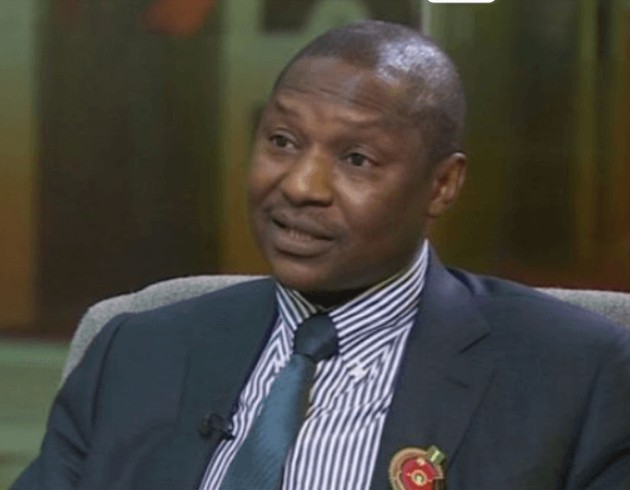
In a dramatic turn of events, the former Attorney General of Nigeria, Abubakar Malami, now finds himself at the center of a corruption storm he once directed against others. Facing serious charges from the Economic and Financial Crimes Commission (EFCC), including money laundering and abuse of office, Malami’s claims of political persecution ring hollow to many who remember his tenure. The Economic and Financial Crimes Commission (EFCC) has traced no fewer than 41 high-value properties worth over N200 Billion to Abubakar Malami, a former Attorney-General of the Federation and Minister of Justice, , in an ongoing investigation into alleged money laundering and illicit asset accumulation.
During his time in office, Malami was known for his aggressive legal maneuvers, often using the law as a weapon against political opponents. His administration was marked by the controversial detention of figures like former National Security Adviser, Col. Sambo Dasuki, despite court orders for his release. Malami presided over the orchestrated removal of Ibrahim Magu, the former EFCC Chairman, launching more than 22 allegations without securing a single conviction. Such actions raise questions about the integrity of his current defense against EFCC inquiries.
Today, Malami is attempting to shift the narrative, arguing that his prosecution is politically motivated. He has called for the recusal of EFCC Chairman Ola Olukoyede, claiming bias and personal vendetta. However, this plea for public sympathy starkly contrasts with the principles he championed as Attorney General. Instead of seeking resolution through the courts, Malami is framing his defense in the court of public opinion, relying on press statements and political narratives.
Critics have been quick to point out the irony of Malami’s situation. Civil society organizations, including the Centre for Anti-Corruption and Accountability (CACA), have condemned his claims as unbecoming of a former Chief Law Officer. They argue that those who wield power must be held accountable, regardless of their past positions. Malami’s legacy of judicial raids during his tenure, which left the judiciary shaken, further complicates his current narrative.
The EFCC has consistently maintained that it will not be intimidated by Malami’s outcry. The commission has investigated numerous individuals across political lines, reinforcing the idea that political affiliation does not shield one from scrutiny. This commitment to accountability is crucial for Nigeria’s democracy, which cannot afford to see the principles of justice compromised due to the status of the accused.
As the Tinubu administration grapples with this unfolding drama, it faces a critical choice. The handling of Malami’s case must not mirror past corruption cases that fizzled out once the alleged perpetrators aligned themselves with the ruling party. This case presents an opportunity not only to uphold the rule of law but also to send a strong message to current and future officeholders: no one is above accountability.
In this defining moment, President Tinubu’s administration should act decisively. A failure to pursue Malami with the seriousness his situation demands would undermine the integrity of Nigeria’s anti-corruption efforts and diminish public trust in government institutions. The message should be clear: those who abuse their power will be held accountable, regardless of their previous positions.
The lesson is unequivocal: true justice requires that the law be applied fairly and without bias. In a nation eager for reform, this case is an essential litmus test for Nigeria’s commitment to the rule of law and the fight against corruption. The time for accountability is now.