
Headlines
Tinubu Signs Electoral Act 2026 Amendment into Law Ahead of 2027 Polls
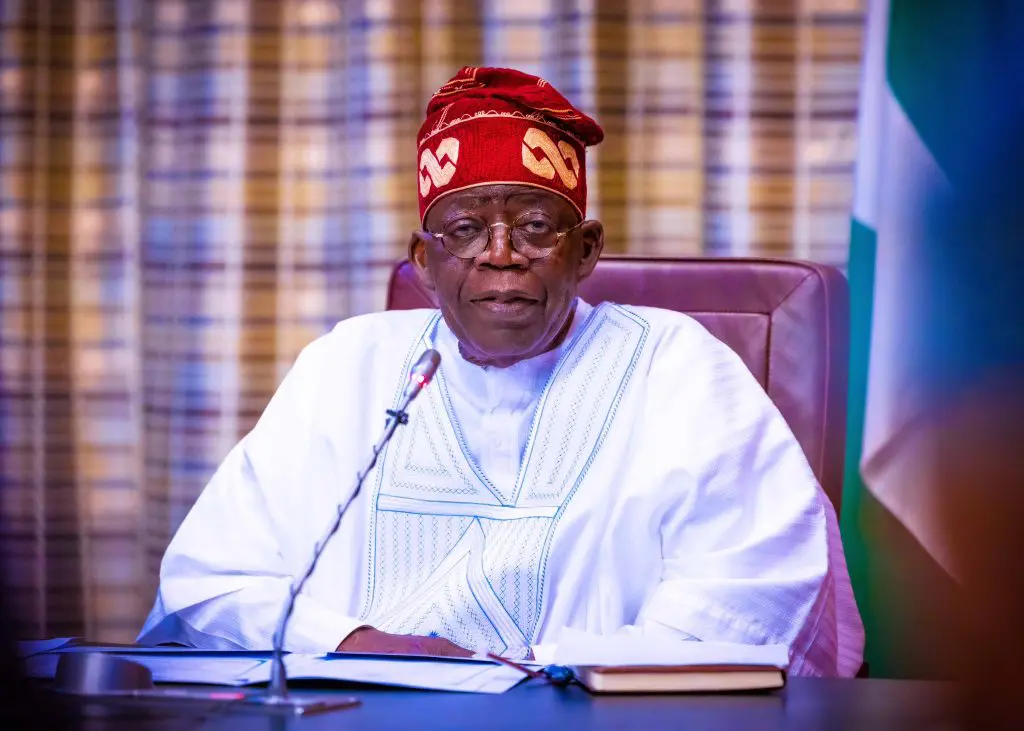
On Wednesday, the Electoral Act 2026 (Amendment) was signed into law by President Bola Tinubu, shortly after the Independent National Electoral Commission unveiled the schedule for the 2027 general elections. The ceremony occurred at the Presidential Villa in Abuja at approximately 5:00 pm, attended by key leaders from the National Assembly. The legislation had been approved by the National Assembly the previous day, on Tuesday. This change has sparked renewed discussions regarding the electronic transmission of election outcomes.
Civil society groups and some opposition figures have long pushed for real-time transmission of results from polling units to INEC’s central server, arguing it would curb manipulation and strengthen credibility. Protesters had last week disrupted the National Assembly complex to demand live transmission, citing failures during the 2023 elections when INEC’s Results Viewing Portal collapsed, triggering widespread allegations of rigging. While the ruling All Progressives Congress supports technology adoption, some stakeholders argue that areas with poor telecommunications infrastructure require a phased or hybrid approach, allowing manual collation where electronic systems fail.
The amended law introduces a hybrid framework for result transmission: it mandates electronic upload of polling unit results (via scanned Form EC8A) to the IREV portal immediately after counting and signing where network conditions allow, while providing a fallback to manual collation using the physical Form EC8A in cases of network failure, glitches, or poor connectivity. This compromise aims to balance enhanced transparency with practical realities in underserved regions, though critics contend it falls short of fully mandatory real-time electronic transmission and could still leave room for disputes during collation.