
Editorial
Tinubu’s Leadership and the Missing Presence in Crisis
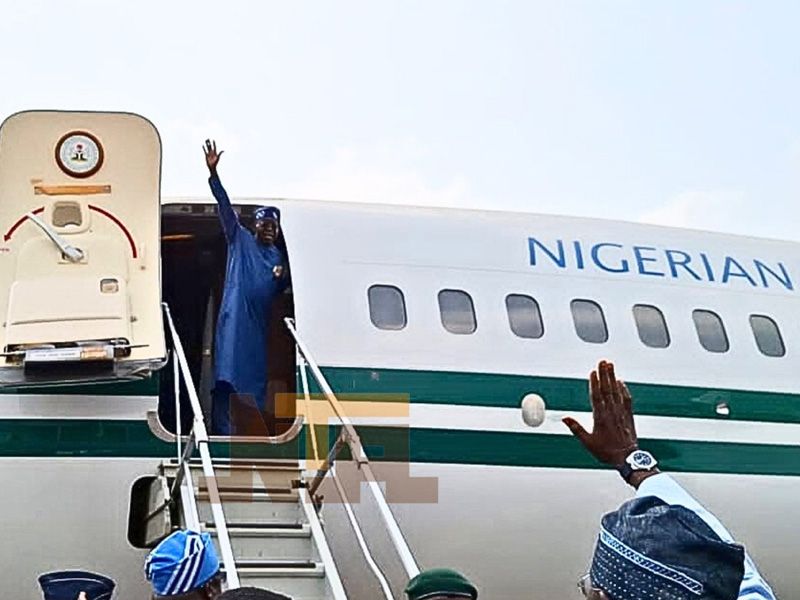
In moments of national tragedy, leadership is judged not only by decisions taken, but by presence that is visible, immediate and reassuring. The bombing in Maiduguri, which claimed no fewer than 23 lives and left over 100 injured, was yet another grim reminder of the persistent threat posed by terrorists exploiting Nigeria’s fragile security architecture. But beyond the horror of the attacks, the timing of President Bola Ahmed Tinubu’s foreign trip has reignited a critical conversation about leadership, optics and responsibility.
The President has since returned from the United Kingdom, where he undertook a state visit that included engagements with King Charles III and Prime Minister Keir Starmer. Diplomacy is essential. No serious nation isolates itself from global partnerships that drive economic growth, security cooperation and international relevance.
However, timing is everything.
The Maiduguri attacks were not routine. They were coordinated bombings in civilian spaces, markets and a hospital, places that represent daily life and collective vulnerability. In such moments, citizens expect more than statements. They expect presence.
While the President condemned the attacks and ordered security chiefs to relocate to the North-East, a now familiar response, Nigerians are increasingly unconvinced by distant leadership. The expectation of a prompt visit, direct engagement with victims and visible solidarity is neither unreasonable nor excessive.
Consider a comparable scenario in the United Kingdom. If such an attack claimed even a single life, it is highly unlikely that the Prime Minister would proceed with a foreign visit. And if Keir Starmer did so regardless, the political consequences would be swift and severe. Public outrage, parliamentary pressure and media scrutiny would make his position untenable. He would not be returning triumphantly to Downing Street; he would be returning home in disgrace, his leadership fundamentally questioned.
That is the weight of accountability in functioning democracies.
To his credit, Tinubu has now completed the trip and resumed duties. Yet, the episode underscores a persistent gap between official action and public expectation in Nigeria’s governance culture.
Leadership in a country battling insurgency for over a decade must go beyond statements of condolences; it must reflect empathy. It must be seen, felt and trusted.
Governance is not only about decisions taken in distant capitals. It is about standing with citizens in their darkest moments.
That is where leadership truly counts.