
News
Tinubu’s Security Emergency. More Men, Same Old Mess
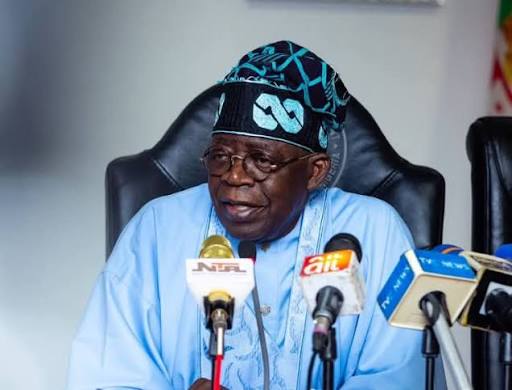
President Bola Tinubu has finally bowed to pressure and declared a state of emergency on security. A move many Nigerians consider years overdue after endless cries, marches, and burials across the country. The global embarrassment triggered by Trump’s comments just showed what citizens have endured while government dismissed their warnings.
The administration has announced plans to recruit more security personnel. On the surface, this sounds like progress. In reality, it raises deeper concerns.
How does adding more personnel solve the chronic problems of poor weapons, outdated equipment and weak intelligence gathering? How does it address the agonising welfare of soldiers and paramilitary officers who often go months without allowances? How does recruitment solve the absence of reliable insurance for the men and women risking their lives? How does it fix the broken system that sends fighters into forests with old rifles while criminals wield superior firepower?
Nigeria’s security crisis is not caused by a shortage of manpower. It is caused by a shortage of seriousness. It is caused by institutional decay, corruption, poor motivation, fragile morale and an infrastructure gap that grows wider each year. There are soldiers who buy their own boots. Officers who fuel their own patrol vehicles. Families of fallen heroes who receive nothing but condolences.
What does it accomplish with more numbers when there is no strong welfare system to sustain them? This move is like adding more wood to a burning sawmill and expecting the fire to quench itself. That is not strategy; that is panic.
A state of emergency, if it is to be genuinely called so, must exceed mere announcements. It must involve transparent funding. It must include an overhaul of military logistics. It must introduce compulsory insurance for security operatives. It must ensure timely allowances. It must emphasize technology-driven policing. It must involve strict accountability in procurement. It must keep politics away from decisions on national security. Above all, it must respond to the fears of ordinary Nigerians who no longer feel safe in their own homes.
This country does not need yet another slogan. It needs sincerity. It needs competence. It needs leadership that understands security is not a talking point but rather the bedrock of national survival.
This emergency, if it is to matter, must be more than a reluctant reaction to global embarrassment; rather, it must be the beginning of real restructuring of Nigeria’s security architecture. Anything less will only amount to another cycle of promises, leaving the nation exposed. Nigeria has bled enough. The time for cosmetic action is over.