
Education
Avoid 2025 Mistakes” — AFED President Urges JAMB, WAEC to Strengthen Systems Ahead of CBT Exams
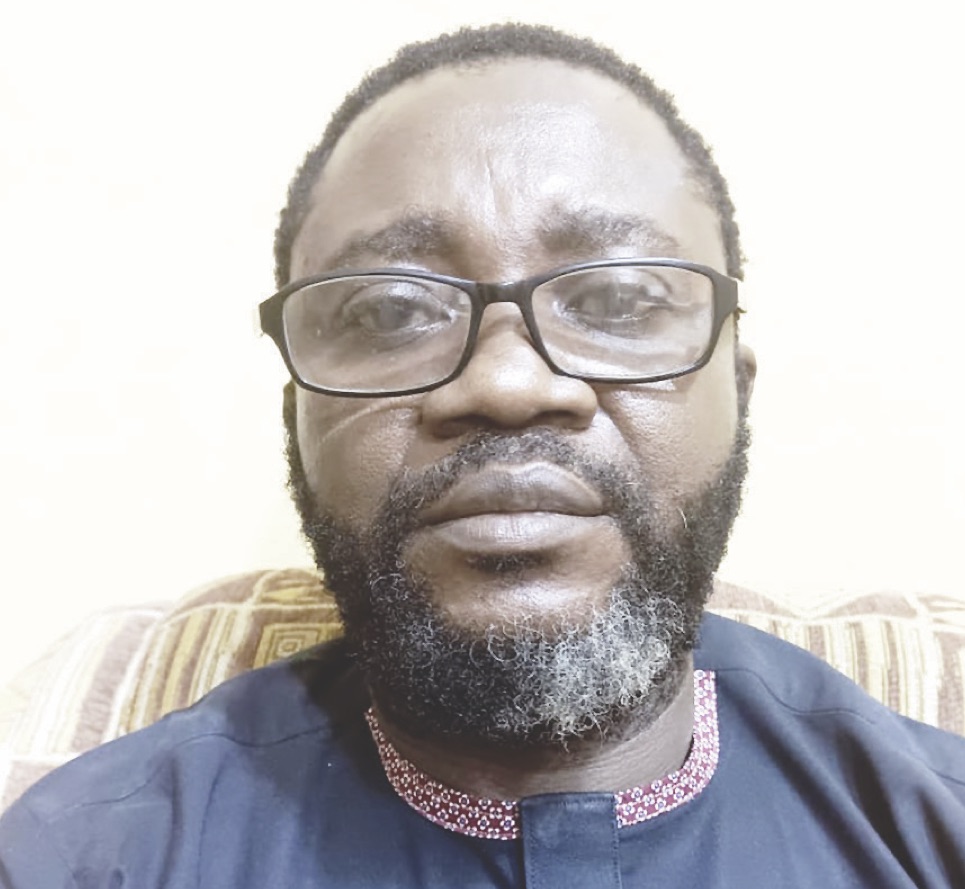
The President of the Association of Formidable Educational Development, Emmanuel Oji, has called on examination bodies in Nigeria to learn from the setbacks of 2025 and implement stronger systems to prevent a recurrence.
Speaking in an interview with the Daily Sun, Oji advised the Joint Admissions and Matriculation Board and the West African Examinations Council to prioritise quality control, transparency, and the adoption of reliable technology in their operations.
He noted that regular audits and effective engagement with stakeholders would help rebuild trust and minimise errors, while also urging a broader rethink of examination methods in Nigeria.
On the preparedness for the Computer-Based West African Senior School Certificate Examination (CB-WASSCE), Oji said readiness varies widely across schools. While some institutions are equipped, many—particularly in rural areas—lack the infrastructure and digital literacy required for a smooth transition.
He cautioned that a nationwide rollout of computer-based testing (CBT) may be premature without adequate support systems in place.
Oji advised WAEC to ensure strong backup systems, stable power supply, and accessible technical support as it prepares for CBT exams. He also emphasised the importance of clear communication with schools and candidates regarding examination protocols.
“Examinations should not be seen as an end, but a means to an end,” he stated, adding that while CBT can improve assessment methods, poor implementation could expose systemic weaknesses.
Addressing student readiness, Oji said that while some candidates are digitally prepared, many require more exposure to technology. He urged schools to integrate CBT practice into their curriculum and organise mock examinations to familiarise students with the format.
He also encouraged schools to upgrade infrastructure and, where necessary, seek financial support to meet the demands of digital examinations.
For parents, Oji advised a balanced approach—remaining cautious following the 2025 controversies while actively supporting their children and engaging with schools on preparedness.
On the possibility of malpractice-free exams, he noted that while CBT reduces certain forms of cheating, it also introduces new risks such as hacking, which must be addressed through robust technological safeguards.
Oji further backed calls for government grants to help schools, especially low-cost private institutions, build functional computer laboratories. He stressed that supporting education infrastructure is a core government responsibility.
Commenting on the Federal Government’s policy on textbook reuse, he described it as a cost-saving measure that could ease financial pressure on parents. However, he warned that such policies must be implemented carefully to ensure that learning materials remain current and relevant.
He concluded that with proper preparation, collaboration among stakeholders, and strategic investment in infrastructure, Nigeria can significantly reduce disruptions in upcoming examinations.
See also:
UNILAG Insists Exams Will Continue Despite ASUU Directive to Withdraw Services
Dr. Awele Ilusanmi Honored by Reading Is Fundamental for Lifelong Dedication to Literacy
FG Launches NERD Data Bank, Announces ₦5m–₦20m Prizes for Best Student Theses
FCTA Enforces Strict Examination Standards as ERC Monitors SSCE Mock Exams