
Editorial
Can Nigeria Guarantee Credible Elections in 2027 Amid Rising Insecurity?
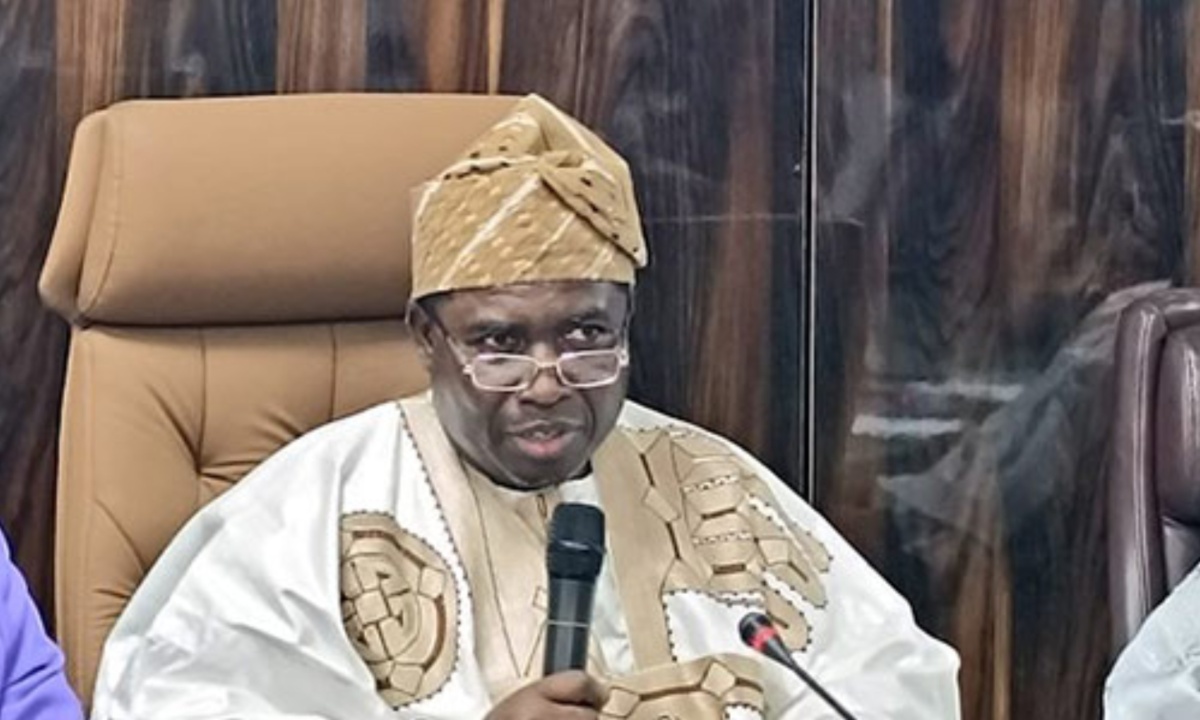
Nigeria’s democratic future may well depend on a single, urgent question: can elections be credible in an environment increasingly defined by insecurity? A recent warning by Joash Amupitan, Chairman of the Independent National Electoral Commission, has brought this concern into sharp focus, underscoring the fragile link between security and electoral legitimacy.
With the 2027 general elections already scheduled, the country is approaching a critical juncture. Elections are not merely periodic exercises; they are the foundation of democratic consent. But where voters fear violence, intimidation, or disruption, that consent becomes compromised.
Nigeria’s recent electoral cycles have repeatedly exposed this vulnerability. From insurgency in the North-East to banditry in the North-West and separatist tensions in parts of the South-East, large portions of the country have experienced conditions that discourage voter participation. In such contexts, polling units are abandoned, turnout drops, and outcomes are often contested.
The risk extends beyond physical violence. The growing influence of digital manipulation—particularly disinformation and AI-driven propaganda—adds a new layer of complexity. When false narratives spread unchecked, they can inflame tensions, distort public perception, and undermine trust in the process even before votes are cast.
Addressing these challenges requires more than routine preparations. Security agencies must operate with clear neutrality, prioritising constitutional duty over political interest. The Interagency Consultative Committee on Election Security must be strengthened, while electoral technologies such as BVAS must be deployed transparently and effectively.
Equally important is tackling the root causes of insecurity—poverty, unemployment, and political desperation. Without addressing these structural issues, electoral violence will remain a recurring threat.
Ultimately, credible elections are not just about voting; they are about trust. When citizens believe their voices matter, democracy is strengthened. When they do not, the system begins to erode.
Nigeria cannot afford flawed elections in 2027. The stakes are too high. Securing the process is not optional; it is essential to preserving the nation’s democratic future.