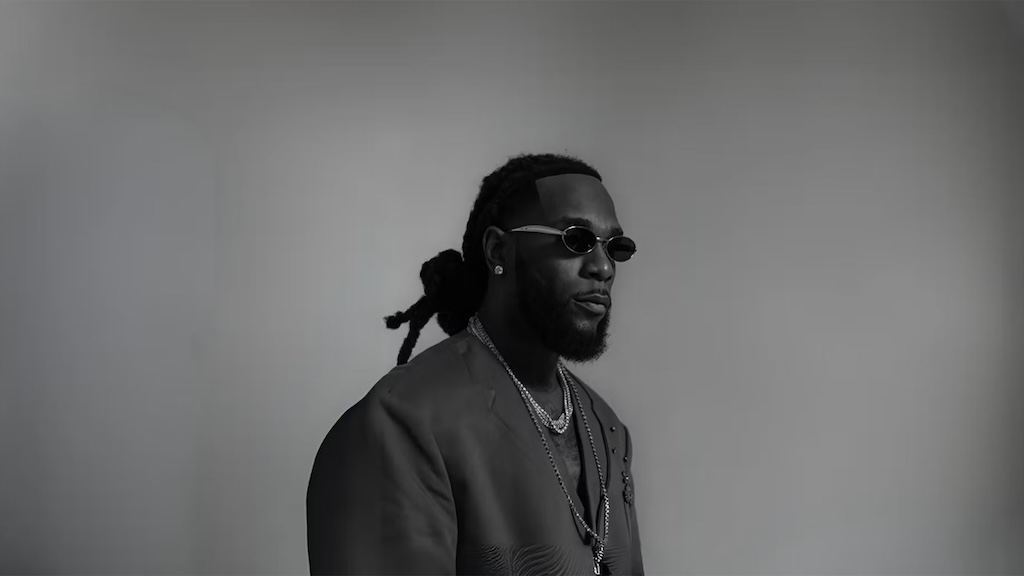
Nigeria’s Grammy-winning superstar, Burna Boy, is once again at the center of global attention—this time, not for music, but for controversy. The Afrobeats icon, widely celebrated for his boundary-breaking sound and stage dominance, now finds himself entangled in the growing web of cancel culture after a confrontation with fans during a recent show in Denver, Colorado.
The incident unfolded when Burna Boy abruptly asked a couple to exit the venue, alleging that the woman appeared to be asleep while he performed. The move triggered immediate online reactions, with many questioning the necessity and sensitivity of the action. Burna Boy later defended his stance on social media, insisting that artistes deserve respect and order during performances, likening the situation to unruly passengers disturbing a pilot mid-flight or a student interrupting a classroom.
The debate quickly escalated beyond Nigerian borders. Global entertainment figures weighed in—Rihanna reportedly described the act as “not too ok,” while Eminem labelled it “not cool.” Their reactions fuelled a broader conversation about the moral expectations society places on celebrities and whether artistic excellence grants immunity from public scrutiny.
Industry watchers note that the ripple effects have already begun. Reports indicate that several U.S. tour dates may have encountered difficulties, with suggestions of cancellations attributed to backlash from the Denver episode. Although attendance figures remain unconfirmed, the disruptions highlight the power of public sentiment in shaping an artiste’s commercial trajectory.
This is not the first time celebrity behaviour has triggered widespread condemnation. Chris Brown’s assault on Rihanna led to worldwide protests, while Kanye West faced boycotts and cancelled appearances after antisemitic remarks. Yet both eventually regained public footing through apologies and strategic reputation management—proof that time and narrative can soften even the most intense backlash.
Burna Boy’s experience signals a wider cultural shift: cancel culture is no longer confined to local discussions. One moment onstage can explode across continents within minutes, elevating a performer to global hero—or global villain.
The unfolding controversy raises pressing questions: Should talent shield artistes from consequences? How far should fans go in demanding accountability? And in an era where Lagos, Los Angeles and London share the same cultural conversation, who decides what behaviour is acceptable?
As the world watches, Burna Boy stands at a crossroads—between artistic freedom, personal boundaries, and the unforgiving scrutiny of a global audience. In an age of instant judgement, one performance can rewrite a career—and applause can turn to backlash in a heartbeat.