
News
Iran Partially Reopens Strait of Hormuz to Non-Hostile Shipping Amid Rising Tensions
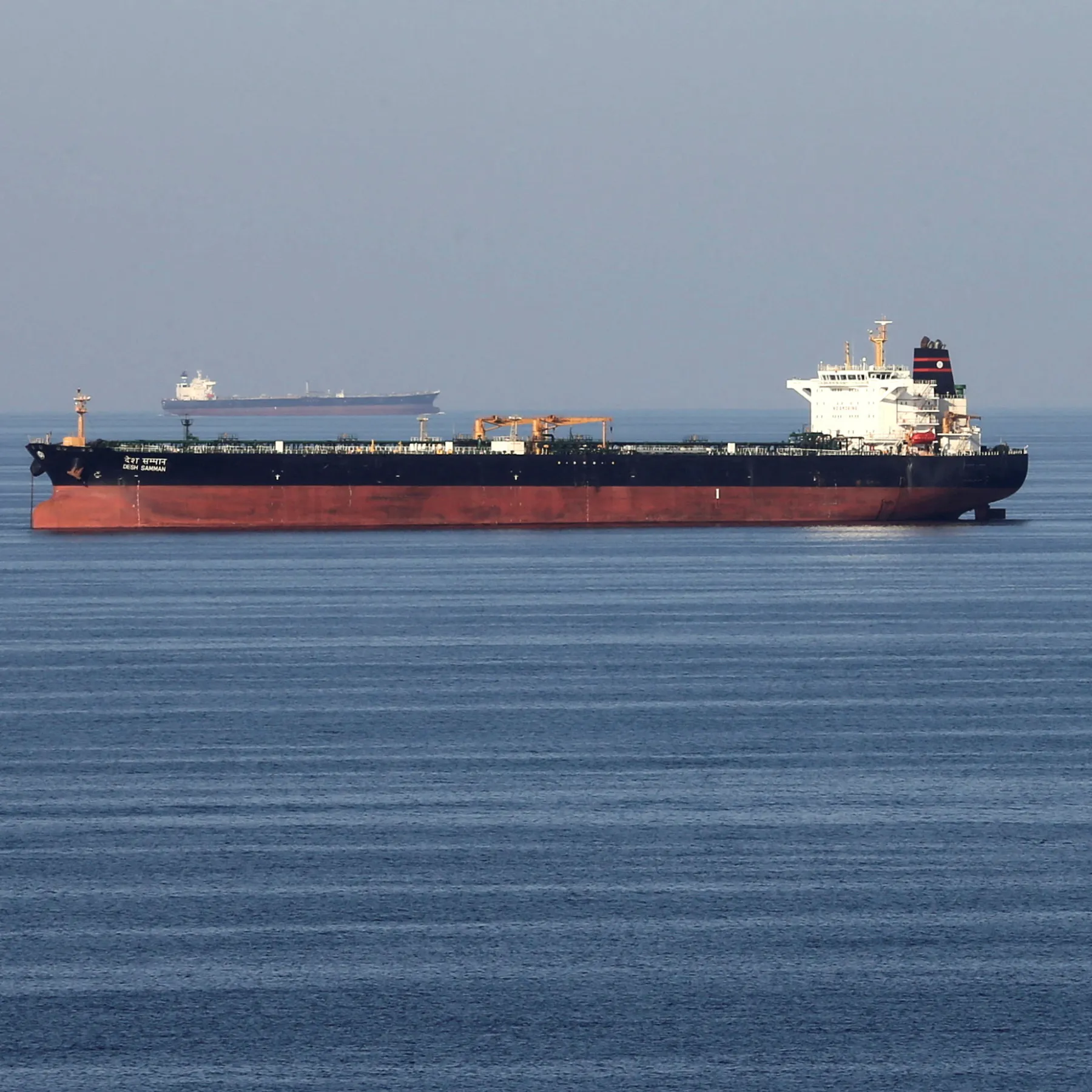
Iran has announced a partial easing of restrictions on maritime traffic through the Strait of Hormuz, allowing vessels it considers neutral or non-hostile to resume passage, even as tensions remain high in the Middle East.
In a statement released through its mission to the United Nations, Tehran said ships not linked to military operations against Iran would be permitted to transit the vital waterway, provided they comply with Iranian security protocols and coordinate with relevant authorities.
The development comes after weeks of heightened hostilities involving Iran, the United States and Israel, during which the Strait of Hormuz became a focal point of military and economic pressure. Iran had previously targeted vessels in the area, significantly disrupting traffic and raising fears of a full-scale blockade.
The Strait of Hormuz, a narrow channel between Iran and Oman, serves as the primary maritime gateway connecting the oil-rich Gulf region to global markets. Approximately one-fifth of the world’s crude oil and liquefied natural gas shipments pass through the route under normal conditions.
Analysts say Iran’s decision to allow limited passage reflects a strategic balancing act—maintaining pressure on adversaries while avoiding a total shutdown that could trigger severe global economic consequences.
The earlier disruptions had already caused a sharp decline in vessel movements, with shipping companies rerouting or delaying operations due to safety concerns. Global energy markets have also reacted nervously, with prices fluctuating amid fears of supply constraints.
Security experts warn that while the partial reopening may ease immediate pressure, the situation remains volatile. Any escalation in the conflict could once again restrict access to the strait, with significant implications for international trade and energy supply chains.
The Strait of Hormuz has historically been a geopolitical flashpoint, with previous confrontations in the region highlighting its strategic importance. The latest developments underscore how regional conflicts can quickly ripple across global markets, affecting economies far beyond the Middle East.