
Headlines
United States Officially Leaves WHO, Global Health Body Expresses Regret
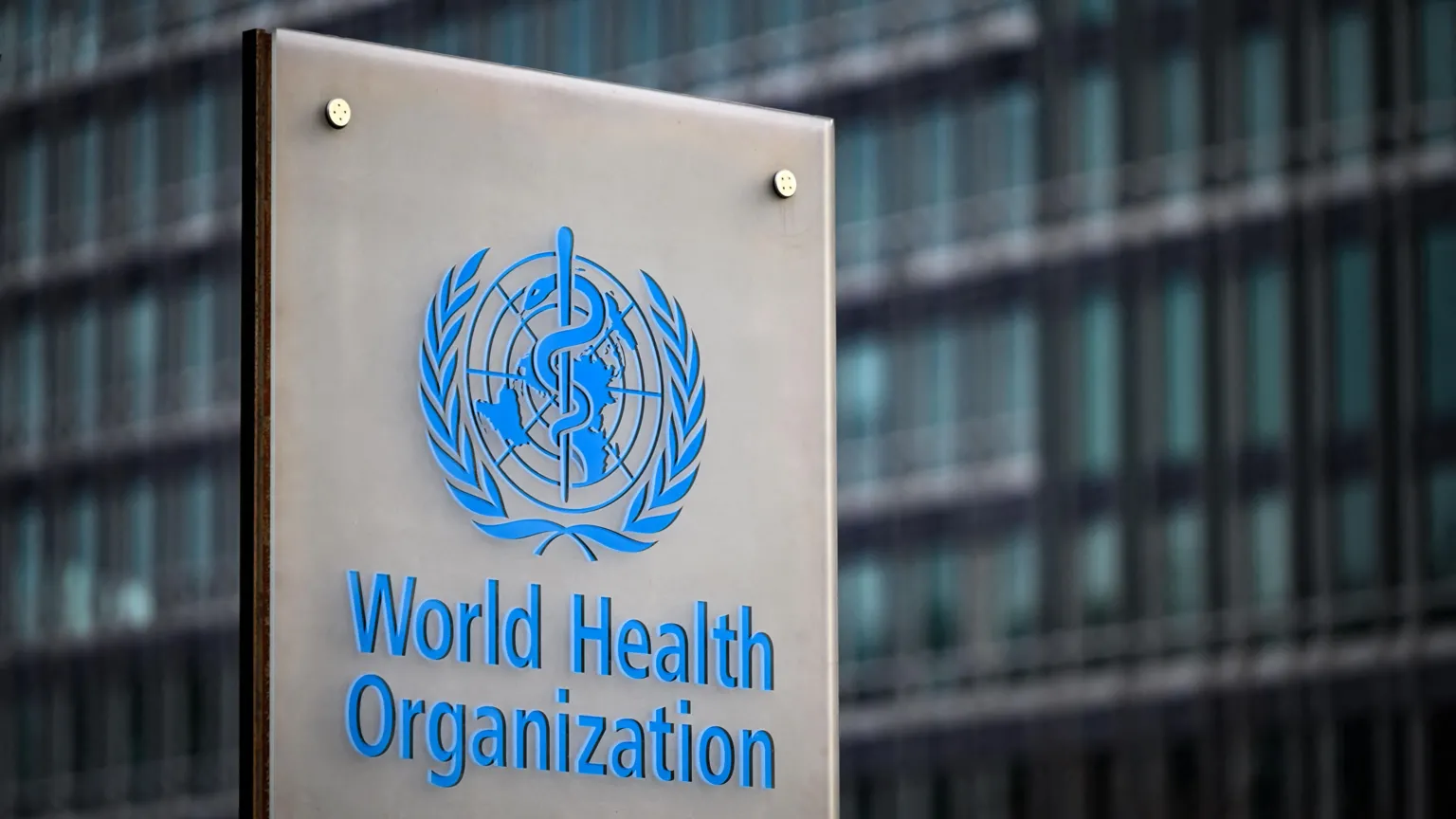
The World Health Organization (WHO) has expressed regret over the United States’ decision to withdraw from the organization, warning that the move could make “the world less safe.”
In a statement, the WHO acknowledged the U.S.’s many important contributions to global health since the agency’s founding.
The U.S. officially left the WHO on Thursday, following through on an executive order issued by President Donald Trump on his first day in office, January 20, 2025.
“As a founding member of the World Health Organization (WHO), the United States of America has contributed significantly to many of WHO’s greatest achievements,” WHO said.
These include “the eradication of smallpox, and progress against many other public health threats including polio, HIV, Ebola, influenza, tuberculosis, malaria, neglected tropical diseases, antimicrobial resistance, food safety and more”.
“WHO therefore regrets the United States’ notification of withdrawal from WHO – a decision that makes both the United States and the world less safe.
“The notification of withdrawal raises issues that will be considered by the WHO Executive Board at its regular meeting starting on 2 February and by the World Health Assembly at its annual meeting in May 2026.”
WHO said it takes note of statements from the government of the United States that say WHO has “trashed and tarnished” and insulted it, and compromised its independence.
“The reverse is true,” the UN global health agency declared.
‘As we do with every Member State, WHO has always sought to engage with the United States in good faith, with full respect for its sovereignty,” WHO stressed.
In its statements, the United States cited as one of the reasons for its decision, “WHO failures during the COVID-19 pandemic”.
The failure, the U.S. noted, included “obstructing the timely and accurate sharing of critical information” and that WHO “concealed those failures”.
“While no organization or government got everything right, WHO stands by its response to this unprecedented global health crisis.
“Throughout the pandemic, WHO acted quickly, shared all information it had rapidly and transparently with the world, and advised Member States on the basis of the best available evidence.”
WHO said it recommended the use of masks, vaccines and physical distancing, but at no stage recommended mask mandates, vaccine mandates or lockdowns.
The global health body said it supported sovereign governments to make decisions they believed were in the best interests of their people, but the decisions were theirs.
“Immediately after receiving the first reports of a cluster of cases of “pneumonia of unknown cause” in Wuhan, China on 31 December 2019, WHO asked China for more information and activated its emergency incident management system.
“By the time the first death was reported from China on 11 January 2020, WHO had already alerted the world through formal channels, public statements and social media, convened global experts, and published comprehensive guidance for countries on how to protect their populations and health systems.
“When the WHO Director-General declared COVID-19 a public health emergency of international concern under the International Health Regulations on 30 January 2020 – the highest level of alarm under international health law – outside of China there were fewer than 100 reported cases, and no reported deaths.”
WHO said in the first weeks and months of the pandemic, the Director-General urged all countries repeatedly to take immediate action to protect their populations.
The global health agency said it warned that “the window of opportunity is closing”, adding “this is not a drill” and describing COVID-19 as “public enemy number one”.
Accordingly, it said in response to the multiple reviews of the COVID-19 pandemic, including of WHO’s performance, WHO has taken steps to strengthen its own work.
These steps, WHO stressed, included to support countries to bolster their own pandemic preparedness and response capacities.
“The systems we developed and managed before, during and after the emergency phase of the pandemic, and which run 24/7, have contributed to keeping all countries safe, including the United States.”
The United States also said in its statements that WHO has “pursued a politicized, bureaucratic agenda driven by nations hostile to American interests”.
“This is untrue,” the world health body counters.
“As a specialized agency of the United Nations, governed by 194 Member States, WHO has always been and remains impartial and exists to serve all countries, with respect for their sovereignty, and without fear or favour.”
WHO appreciates the support and continued engagement of all its Member States, which continue to work within the framework of WHO to pursue solutions to the world’s biggest health threats, both communicable and noncommunicable.
Notably, in 2025, WHO Member States adopted the WHO Pandemic Agreement, which, once ratified, is expected to become a landmark international legal instrument designed to protect the world from future pandemics.
Member States are currently negotiating an annex to the agreement, known as the Pathogen Access and Benefit Sharing system. If adopted, this framework will facilitate the rapid detection and sharing of pathogens with pandemic potential, while ensuring equitable and timely access to vaccines, therapeutics, and diagnostics.
The WHO expressed hope that the United States would eventually return to active participation in the organization. Meanwhile, the global health body reaffirmed its commitment to working with all countries to fulfil its core mission: securing the highest attainable standard of health as a fundamental right for every person.
See also:
LASBCA Urges Building Owners and Developers to Secure Fitness Certificates
Mass Defection Rocks NNPP as Kano Governor Leads Exodus
BREAKING: Pastor Ibiyomie Declares End of Political Turmoil for Governor Fubara
Ikeja Schools on Lockdown as Police Move In After WhatsApp Threats
Second Attack in One Week: Bandits Abduct 177 Worshippers in Southern Kaduna