
Editorial
Aviation Fuel Crisis: Will Domestic Flights in Nigeria Ground to a Halt on April 20?
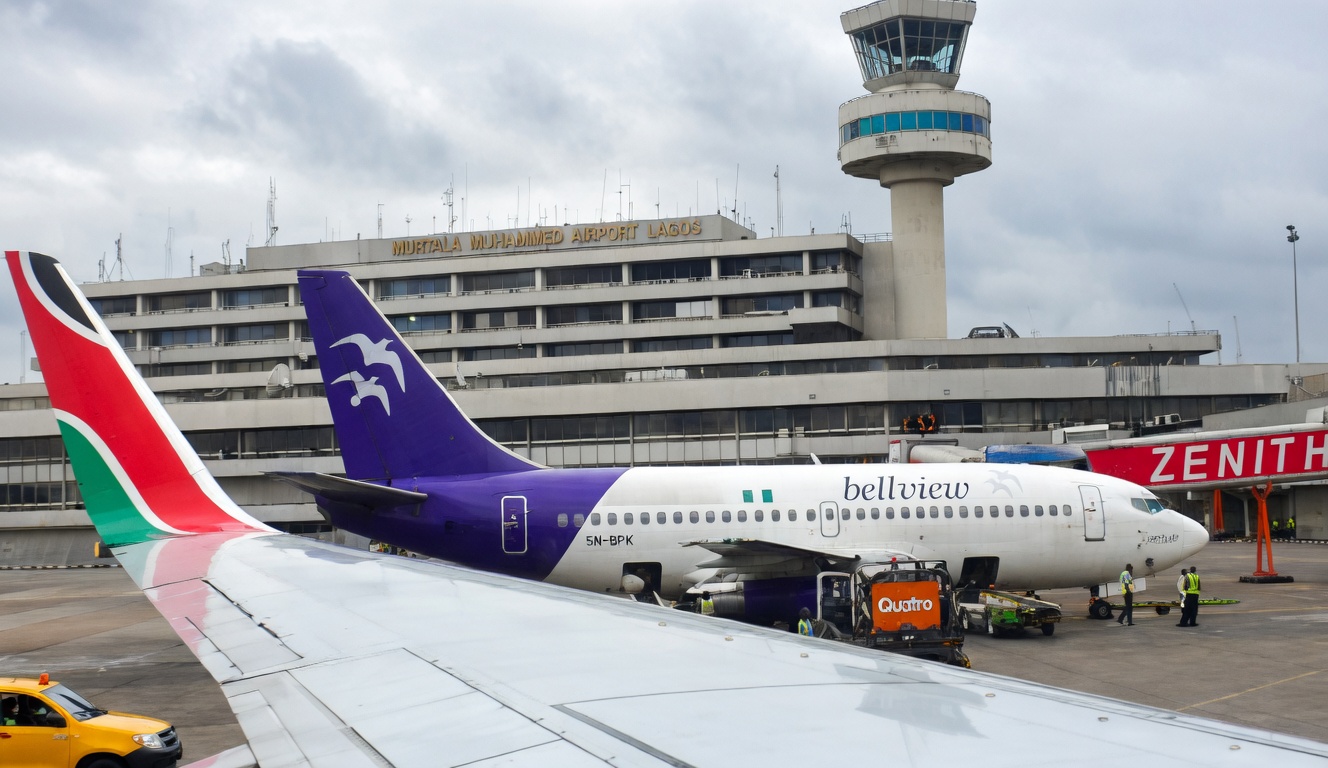
Nigeria’s domestic aviation sector is staring at total collapse. The Airline Operators of Nigeria (AON) has issued a blunt warning saying that unless the explosive rise in Jet A1 prices is urgently reversed, all domestic flight operations may be suspended from Monday, April 20, 2026.
The figures are staggering. Aviation fuel, also known as Jet A1, has surged from about ₦900 per litre at the end of February to over ₦3,300 per litre now, a shocking 300 per cent increase in less than two months. This is not a normal market adjustment. Airlines describe the hike as astronomical, artificial, and unsustainable, far outpacing the modest rise in global crude oil prices during the same period.
The consequences of a shutdown would be devastating. Thousands of passengers would be stranded across major cities. Business travel, medical emergencies, and family movements would grind to a halt. Cargo operations, especially for perishable goods, would suffer massive losses. Jobs in aviation and allied sectors hang in the balance, while investor confidence in the sector could take another painful hit. In a country where road transport remains slow, expensive, and often insecure, air travel is not a luxury — it is a vital lifeline for national connectivity.
This aviation fuel crisis comes at the worst possible time. Nigerians are already groaning under the weight of economic reforms, rising inflation, and multiple price shocks. A grounding of domestic flights would compound the hardship, disrupt economic activities in Lagos, Abuja, Kano, and Port Harcourt, and further damage the fragile recovery in hospitality, tourism, and commerce.
The federal government, through the Minister of Aviation and Aerospace Development, Festus Keyamo, has appealed for restraint, urging airlines to shelve both fare increases and the planned suspension while promising urgent intervention. Fuel marketers, on their part, have pushed back on the exact figures and pointed to global supply chain pressures linked to tensions in the Strait of Hormuz.
However, appeals alone are not enough. The government must move beyond rhetoric and take concrete steps to stabilise Jet A1 supply and pricing. Short-term measures such as emergency importation support, temporary price modulation, or direct engagement with marketers are necessary to prevent an immediate shutdown. In the medium to long term, Nigeria must accelerate local production of aviation fuel through full utilisation of the Dangote Refinery and address structural issues such as multiple taxation, foreign exchange bottlenecks, and lack of strategic reserves.
The current crisis lays bare the deep vulnerabilities in Nigeria’s energy and transport ecosystem. For too long, the aviation sector has been buffeted by high operating costs, policy inconsistencies, and external shocks. Another near-collapse will not only erode public trust but also undermine years of attempted reforms in the sector.
As April 20 draws near, decisive and swift action is required. Nigerians have endured enough pain from economic reforms. They should not now be deprived of one of the few efficient means of moving across this vast country. The skies must not go silent.
The message from the airlines is clear: without urgent relief on Jet A1 prices, domestic aviation faces paralysis. The government must act now to avert this looming national embarrassment and prevent further economic damage.
See also:
BREAKING: Liam Rosenior Sacked by Chelsea FC after 3 Months in Charge
UK-Based Nigerian TikToker Fired After Admission of Falsified Experience.
REAL MADRID EDGE ALAVES TO KEEP TITLE PRESSURE ON BARCA.