
Economy
Tinubu Signs ₦68.32tn 2026 Budget, Extends 2025 Capital Spending Window
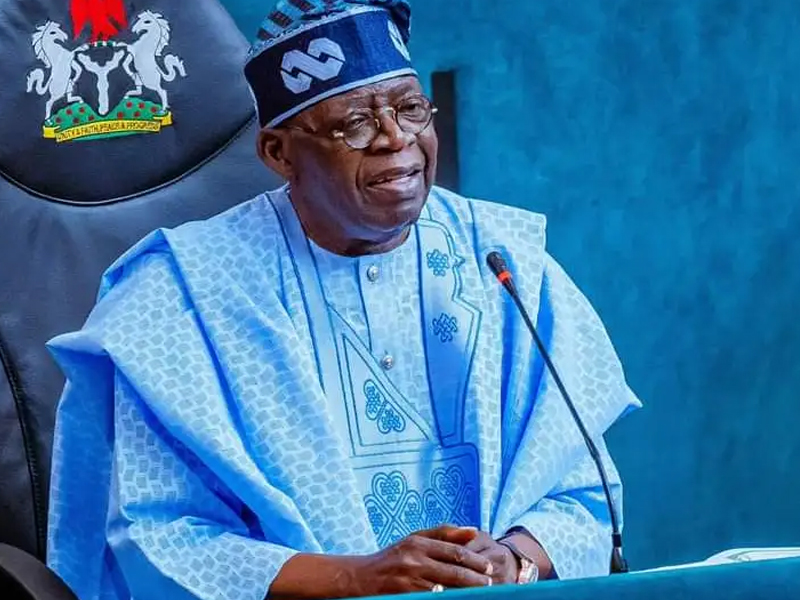
President Bola Tinubu has signed the 2026 Appropriation Bill into law, approving a record ₦68.32 trillion budget aimed at boosting economic growth, infrastructure development, and national security, while also extending the implementation of the 2025 capital budget to June 30, 2026.
Details released by the Presidency show that the budget prioritises capital investment, with ₦32.2 trillion—nearly half of total spending—allocated to development projects under the government’s broader economic reform agenda. Statutory transfers will receive ₦4.799 trillion, while ₦15.8 trillion is earmarked for debt servicing, reflecting Nigeria’s ongoing fiscal obligations. Recurrent expenditure stands at ₦15.4 trillion.
The budget, described as a consolidation plan for resilience and shared prosperity, took effect from April 1, marking the start of full implementation by Ministries, Departments, and Agencies (MDAs). Officials say the emphasis on capital expenditure signals a shift toward long-term investments in infrastructure, job creation, and productivity.
The President also approved an amendment extending the lifespan of the 2025 budget’s capital component. The move is intended to allow MDAs complete ongoing projects and fully utilise funds already appropriated, a recurring challenge in Nigeria’s budget cycle due to delays and implementation bottlenecks.
Economic analysts note that the scale of the 2026 budget reflects both ambition and pressure. Nigeria continues to grapple with inflation, currency instability, and debt concerns, making efficient budget execution critical to achieving projected growth targets.
When the proposal was initially presented to the National Assembly in December 2025, it stood at ₦58.47 trillion before lawmakers increased it during legislative review. The expansion highlights ongoing negotiations between the executive and legislature over spending priorities.
Key sectors receiving significant allocations include defence and security, infrastructure, education, and healthcare—areas widely seen as essential to stabilising the country and improving living standards.
President Tinubu directed MDAs to ensure transparency, fiscal discipline, and value for money in implementing the budget, while reaffirming his administration’s commitment to revenue reforms and economic diversification.
The success of the budget, experts say, will ultimately depend on execution, as Nigeria seeks to translate ambitious fiscal plans into tangible improvements in citizens’ lives.
See also:
Brig Gen Oseni Braimah, Others Killed in Borno Attack Laid to Rest
Tight Security as Court Adjourns El-Rufai Bail Ruling Amid Fresh Charges
LEEDS END OLD TRAFFORD HOODOO WITH BIG WIN.
GHANA APPOINT QUEIROZ, SET WORLD CUP QUARTER-FINAL TARGET.
Victor Glover Makes History as First Black Astronaut to Pilot Moon Mission