
Economy
Tinubu Declares Poverty, Insecurity National Emergencies at Workers’ Day Event
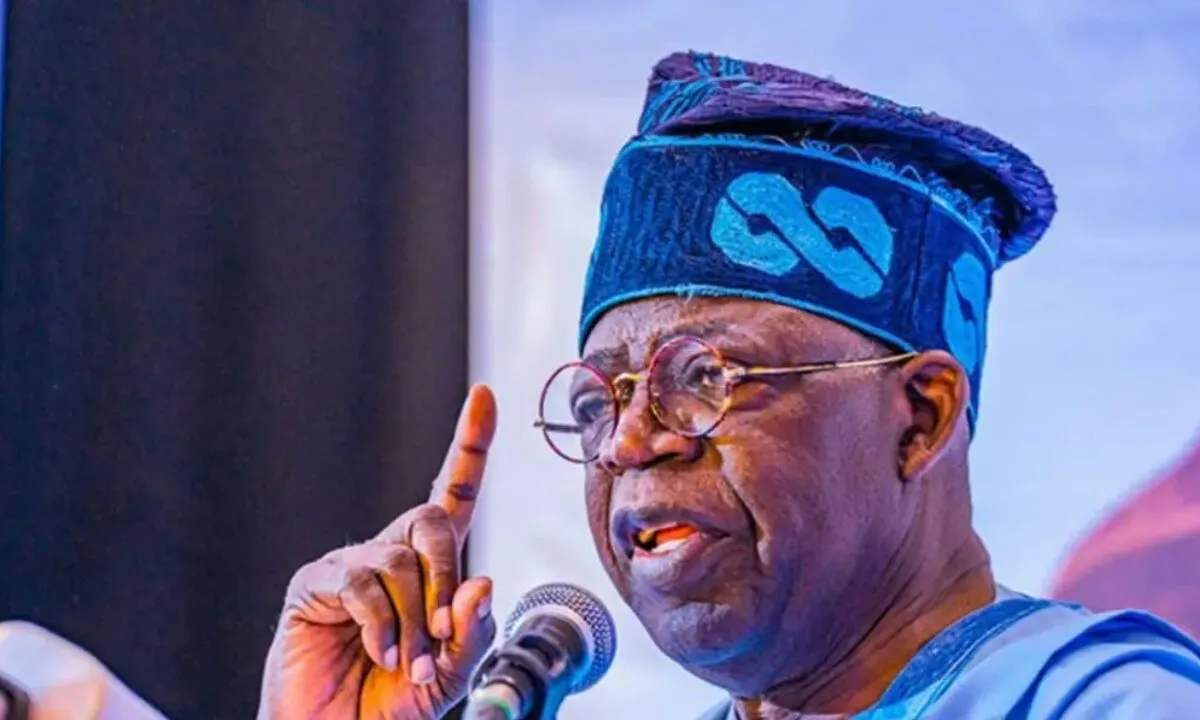
President Bola Tinubu has described insecurity and poverty as national emergencies, warning that the twin challenges are undermining employment, economic productivity and social stability across the country.
The President made the declaration on Thursday during the 2026 International Workers’ Day celebration held at Eagle Square, where thousands of workers, labour leaders and government officials gathered to commemorate the annual event.
Represented by the Secretary to the Government of the Federation, George Akume, Tinubu said Nigeria could not achieve sustainable economic growth or decent working conditions in an environment dominated by fear, violence and widespread economic hardship.
“There cannot be decent work where workers fear for their lives, where wages cannot feed a family, or where insecurity disrupts farms, factories, markets and economic activities,” the President stated.
The 2026 Workers’ Day celebration was held under the theme, “Insecurity and Poverty: Bane of Decent Work,” reflecting growing concern among labour unions and civil society groups over the worsening economic conditions facing Nigerian workers.
Tinubu described insecurity and poverty as “hydra-headed challenges” that require urgent and coordinated responses because of their direct impact on livelihoods, investor confidence and national development.
According to him, the Federal Government is implementing strategies aimed at restoring security, reducing poverty and improving economic opportunities for citizens, while also aligning Nigeria’s labour policies with international standards on decent work.
Nigeria has faced increasing economic pressure in recent years following rising inflation, unemployment, currency instability and escalating food prices. At the same time, insecurity linked to banditry, terrorism, kidnapping and communal violence has continued to affect farming communities, transportation networks and business operations in several parts of the country.
Labour leaders have repeatedly argued that these challenges are eroding workers’ purchasing power and worsening living conditions for millions of Nigerians.
Since assuming office in 2023, the Tinubu administration has introduced a series of economic reforms, including the removal of petrol subsidy and foreign exchange policy adjustments, which the government says are necessary for long-term economic recovery.
However, the reforms have also contributed to rising living costs, prompting labour unions to demand wage increases, tax reliefs and stronger social protection measures for workers.
Observers say the President’s remarks at the Workers’ Day celebration reflect growing recognition within government circles that security and economic stability are closely linked to national productivity and labour welfare.
The International Labour Organization’s Decent Work Agenda, referenced during the event, promotes fair income, workplace safety, social protection and opportunities for productive employment. Nigerian labour unions have consistently urged the government to adopt policies that protect workers from the effects of inflation and economic instability.
The celebration at Eagle Square also featured solidarity marches, speeches from labour leaders and cultural displays involving workers from different sectors of the economy.
Analysts believe the administration’s ability to address insecurity and rising poverty levels will remain a major factor shaping public confidence, industrial relations and economic performance ahead of the 2027 general elections.