
Editorial
Tinubu Removed Subsidy From the Poor to Subsidise the Governors
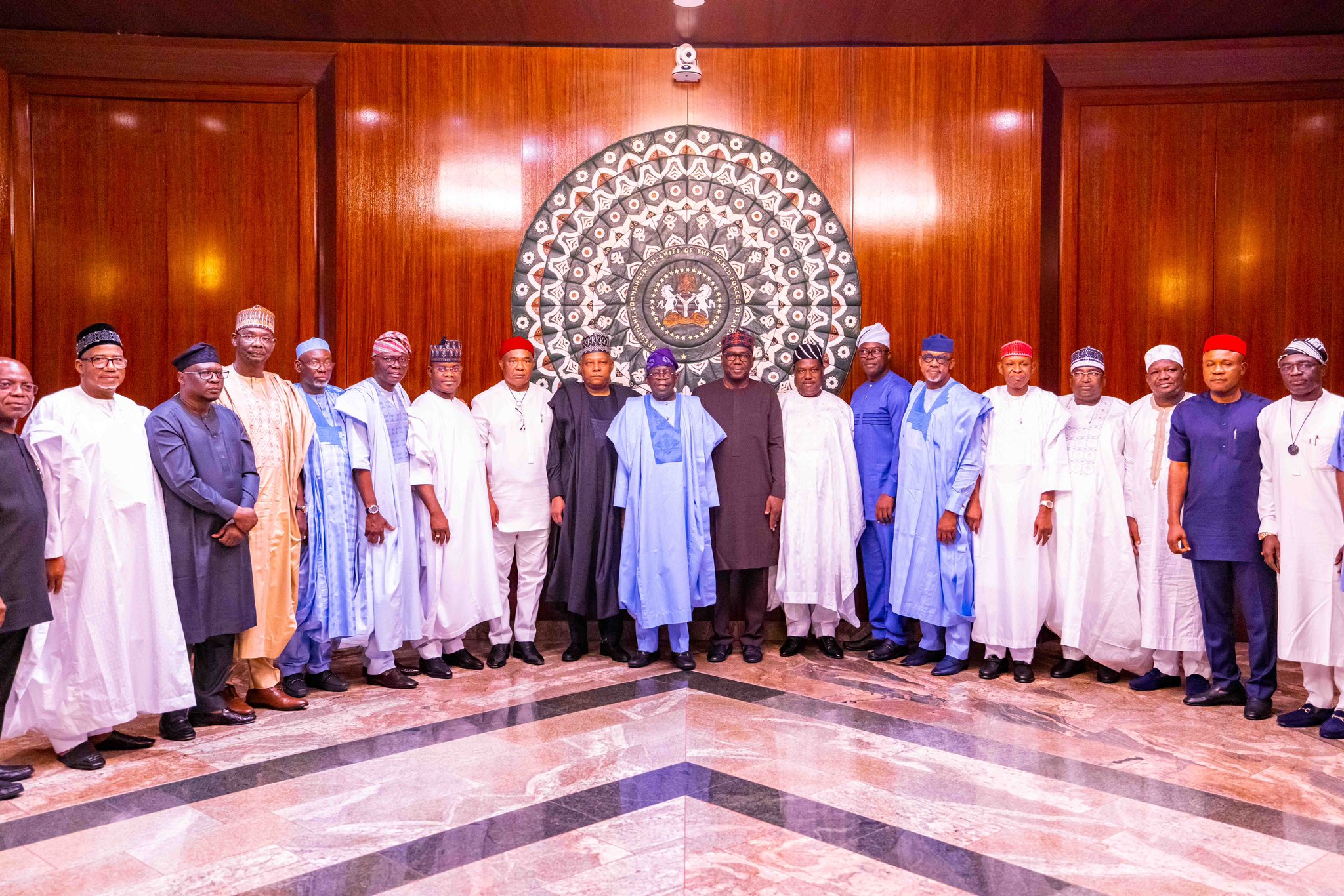
When President Bola Ahmed Tinubu announced the removal of fuel subsidy, Nigerians were told it was a painful but necessary sacrifice. Citizens were promised better infrastructure, improved security, quality healthcare, stronger education, and a more productive economy. The argument was simple: subsidy was draining national resources, and removing it would free up money for development.
But today, one painful question echoes across the country: where is the money?
What Nigerians are witnessing is not the reinvestment of subsidy savings into the lives of ordinary people, but the enlargement of government luxury — especially at the state level. Governors now receive significantly increased allocations from the federation account, yet the suffering of the masses continues to deepen. Instead of relief, Nigerians got inflation. Instead of prosperity, they got hunger. Instead of development, they got convoys.
The tragedy of the Tinubu administration is not merely the removal of subsidy; it is the dangerous assumption that state governments would responsibly manage the increased revenues. That assumption ignored one stubborn reality: corruption and waste at the state level remain deeply entrenched.
Across many states, governors are living large while citizens can barely survive. Government houses are expanding while hospitals are collapsing. Luxury SUVs multiply while civil servants battle unpaid salaries. Political appointees enjoy obscene comfort while citizens ration food and electricity. The subsidy may have been removed from petrol, but it appears to have been reintroduced for politicians.
The federal government seems to believe that throwing more money at governors automatically translates into development. Experience has repeatedly shown otherwise. Without accountability, transparency, and consequences for waste, increased allocations simply become increased opportunities for reckless spending.
Ironically, the federal government itself has not demonstrated superior fiscal discipline. Despite the subsidy removal and higher revenues, borrowing continues aggressively. Loans pile upon loans while Nigerians are told to endure hardship for a brighter future that never seems to arrive. Meanwhile, the National Assembly behaves less like a check on executive excess and more like a ceremonial approval machine, rubber-stamping borrowing requests with alarming ease.
The ordinary Nigerian is trapped between two layers of wasteful governance: a federal government demanding sacrifice and state governments displaying affluence. Citizens are paying more for transportation, food, rent, school fees, and healthcare, yet political leaders continue to operate as though the country is experiencing prosperity.
The real issue is not merely subsidy removal. It is trust. Nigerians could endure sacrifice if they saw sincerity, accountability, and visible improvement. But when leaders ask the people to tighten their belts while expanding the size of government luxury, resentment naturally grows.
A government that removes subsidy from the poor while subsidising political excess loses moral credibility.
Nigeria does not simply need more revenue. It needs responsible leadership. Until corruption, waste, and reckless borrowing are confronted honestly at both federal and state levels, no economic reform — no matter how sophisticated — will translate into meaningful relief for the masses.