
Foreign News
US, Iran Reach Landmark Peace Deal, Set to Reopen Strait of Hormuz
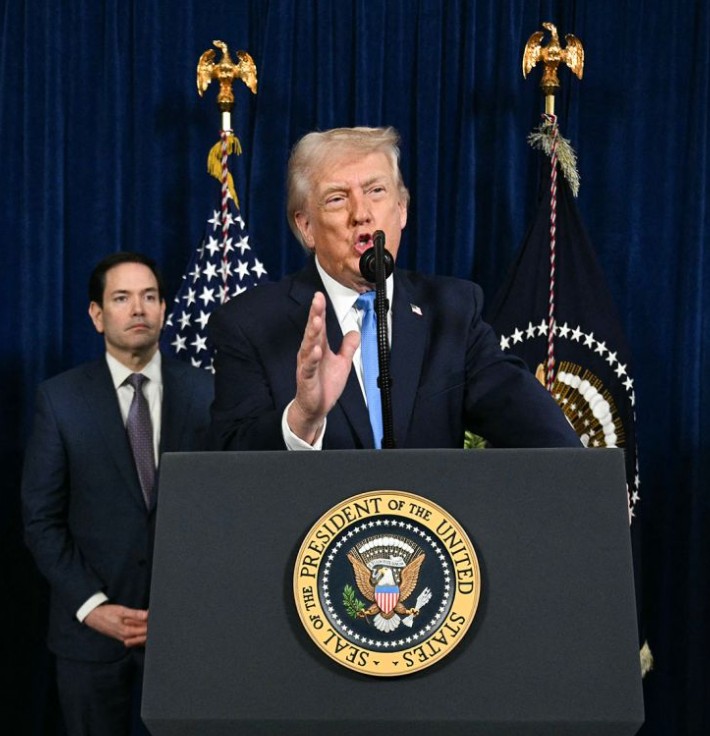
The United States and Iran have announced a breakthrough agreement aimed at ending months of conflict across the Middle East, raising hopes for a reduction in regional tensions and greater stability in global energy markets.
Officials from both countries indicated that the deal, expected to be formally signed in Switzerland, would cover multiple fronts of the conflict, including hostilities linked to Lebanon and the reopening of the strategically important Strait of Hormuz, one of the world’s most critical oil shipping routes.
The announcement marks what could become one of the most significant diplomatic developments in the region in recent years after months of military confrontations, rising casualties and growing concerns over the economic impact of the conflict.
US President Donald Trump confirmed that an agreement had been reached, describing it as a completed framework awaiting formal ratification.
“The Deal with the Islamic Republic of Iran is now complete,” Trump wrote on social media while marking his 80th birthday.
Although both sides expressed optimism about the agreement, many of its key provisions remain undisclosed. Diplomats and analysts are particularly interested in how negotiators addressed the longstanding dispute over Iran’s nuclear programme, an issue that has remained at the centre of tensions between Tehran and Washington for more than two decades.
Neither side provided detailed information on nuclear enrichment activities, inspections or future restrictions, leaving observers waiting for the full text of the agreement.
The reported reopening of the Strait of Hormuz is likely to have immediate global economic implications.
Located between Iran and Oman, the narrow waterway serves as one of the world’s most important maritime corridors, carrying a significant portion of internationally traded crude oil and liquefied natural gas. Disruptions in the strait during the conflict contributed to sharp increases in energy prices and heightened fears of supply shortages.
Since the outbreak of hostilities, global oil markets have experienced considerable volatility, with crude prices surging as traders reacted to concerns over shipping security and potential disruptions to energy exports from the Gulf region.
Energy analysts believe the reopening of the route could ease pressure on global supply chains and potentially contribute to lower fuel prices if stability is sustained.
The conflict had also generated wider regional consequences, affecting Lebanon and increasing fears that violence could spread to additional countries across the Middle East.
International organisations, humanitarian agencies and several world powers repeatedly called for a ceasefire as casualties mounted and civilian populations faced worsening conditions.
Pakistan, which was involved in diplomatic efforts surrounding the negotiations, also confirmed the agreement and described it as an important step toward restoring peace and stability in the region.
The expected signing ceremony in Switzerland is likely to attract significant international attention, with governments, investors and security experts closely monitoring its implementation.
While the agreement has been welcomed as a potential turning point, analysts caution that its long-term success will depend on compliance by all parties and the resolution of unresolved issues, particularly those relating to Iran’s nuclear activities and regional security arrangements.
For now, the announcement has generated cautious optimism that one of the most dangerous geopolitical crises in recent years may finally be moving toward a diplomatic resolution.