
Column
Antibiotic Resistance: The Silent Pandemic Growing in Nigeria. By Feyi Akinfesoye
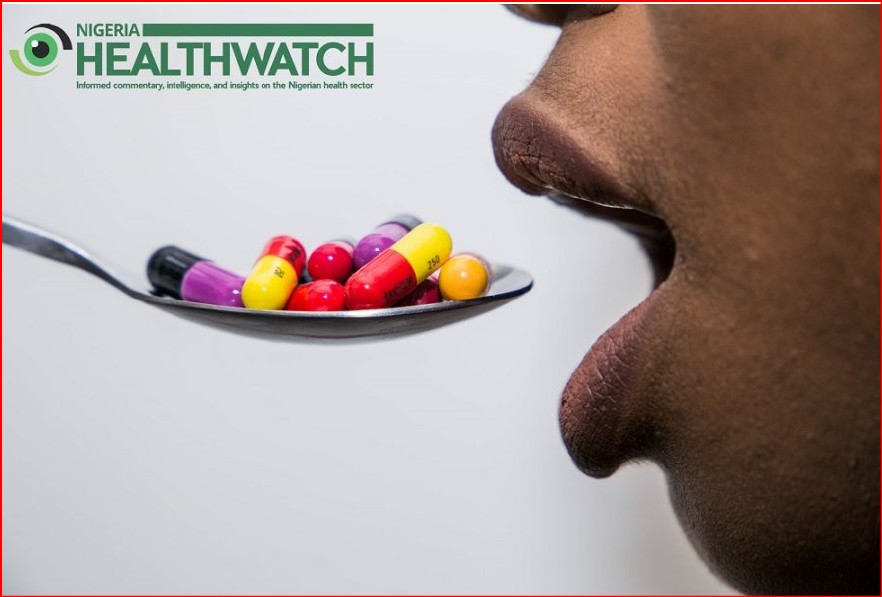
Every year, more than 60,000 Nigerians die from infections that modern medicine should easily cure. The culprit is not a new virus or a failing healthcare system—it’s the gradual, invisible erosion of our most fundamental medical tool: antibiotics.
Antimicrobial resistance (AMR) has emerged as one of the most pressing public health crises of our generation, yet it remains largely invisible to the public eye. In 2019 alone, Nigeria recorded an estimated 263,400 deaths associated with drug-resistant infections—more than the combined fatalities from malaria, tuberculosis, and respiratory infections . The World Health Organization now ranks Nigeria 20th globally for age-standardized mortality due to AMR, a staggering statistic that places us among the world’s most vulnerable nations
The mechanics of this crisis are deceptively simple. When bacteria, viruses, or parasites are repeatedly exposed to antimicrobial drugs—whether through human misuse, agricultural overuse, or environmental contamination—they evolve to survive. The medicines designed to kill them become ineffective. What begins as a treatable urinary tract infection or pneumonia becomes a life-threatening condition requiring expensive, toxic, and often unavailable alternatives.
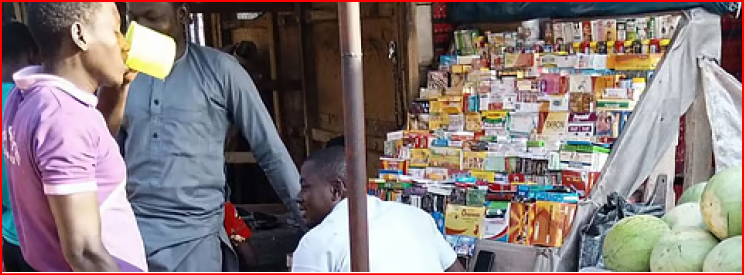
In Nigerian hospitals, the data is alarming. Recent surveillance shows methicillin-resistant Staphylococcus aureus (MRSA) prevalence at 67.8% in tertiary facilities, while carbapenem-resistant Enterobacteriaceae, a class of “superbugs” resistant to last-resort antibiotics, has reached 28.6% in hospital-acquired infections . In community settings, E. coli resistance to common antibiotics like ampicillin has hit 78.2% . The drivers of this catastrophe are systemic and deeply rooted. In communities across Nigeria, self-medication has become normalized. A 2024 national survey found that 47.7% of university graduates—supposedly among our most educated citizens—self-medicate with antibiotics, while 70.1% admit to stopping treatment once symptoms improve rather than completing prescribed courses . In Abia State, nearly half of all residents practice antibiotic self-medication, sourcing drugs from pharmacies without prescriptions or saving leftovers for future illness .
The agricultural sector compounds the problem. As Africa’s largest poultry producer, Nigeria sees over 70% of commercial farms using antibiotics routinely for growth promotion rather than disease treatment . These drugs fl ow from farm animals into our food supply and environment, creating reservoirs of resistant bacteria that eventually reach human populations. Economic barriers drive much of this behavior. When a hospital consultation costs what many families earn in a week, and patent medicine vendors sell antibiotics for a fraction of the price without requiring a doctor’s visit, the choice becomes rational even when the outcome is dangerous . Our healthcare infrastructure exacerbates the gap as only 23.4% of secondary health facilities have functional microbiology laboratories capable of guiding appropriate treatment .
The cost of inaction is measured in lives and livelihoods. Healthcare-associated infections linked to AMR already cost Nigeria an estimated $4.5 billion annually, nearly 1% of GDP, with projections suggesting this could rise to 7% by 2050 if unchecked . Treating resistant infections costs 287% more than susceptible ones, extending hospital stays by an average of 7.4 days and increasing mortality risk by 84% .
Yet momentum is building for change. In October 2024, Nigeria launched its National Action Plan 2.0 on AMR, a comprehensive framework spanning 2024–2028 that integrates human health, agriculture, and environmental protection under a “One Health” approach . The Nigeria Centre for Disease Control and Prevention (NCDC) has also inaugurated the country’s fi rst nationally representative AMR survey, positioning Nigeria as only the third nation globally to partner with WHO on such an initiative .
Critically, Nigeria will host the 5th Global High-Level Ministerial Conference on AMR in Abuja in June 2026—the fi rst such meeting in Africa. This presents an opportunity to transform our current crisis into global leadership .
In conclusion, the path forward requires more than policy documents. It demands enforcement of existing pharmacy regulations, massive public education campaigns, investment in laboratory infrastructure, and alternative approaches to agricultural productivity. Most fundamentally, it requires recognizing that every unnecessary antibiotic prescription, every incomplete treatment course, and every over-the-counter sale without diagnosis contributes to a collective threat. The pandemic we cannot see is already here. Whether it remains silent depends on the choices we make today.
ABOUT THE AUTHOR

Feyi Akinfesoye is a passionate Nigerian teenager currently attending high school in Maryland, USA. Born in Richmond, Texas, to Nigerian parents, Feyi spent her early years in Nigeria, where she developed a deep interest in medical and public health issues. Since moving to the United States for her secondary education, she has embraced her passion for writing by exploring and addressing relevant topics in the field through articles published in local newspapers. Feyi aims to inspire others and raise awareness about health-related challenges, drawing from her unique cultural background and experiences. With a commitment to making a difference, she hopes to contribute meaningfully to discussions around health and wellness.