
Editorial
Government Must Stop Managing Insecurity With Statements
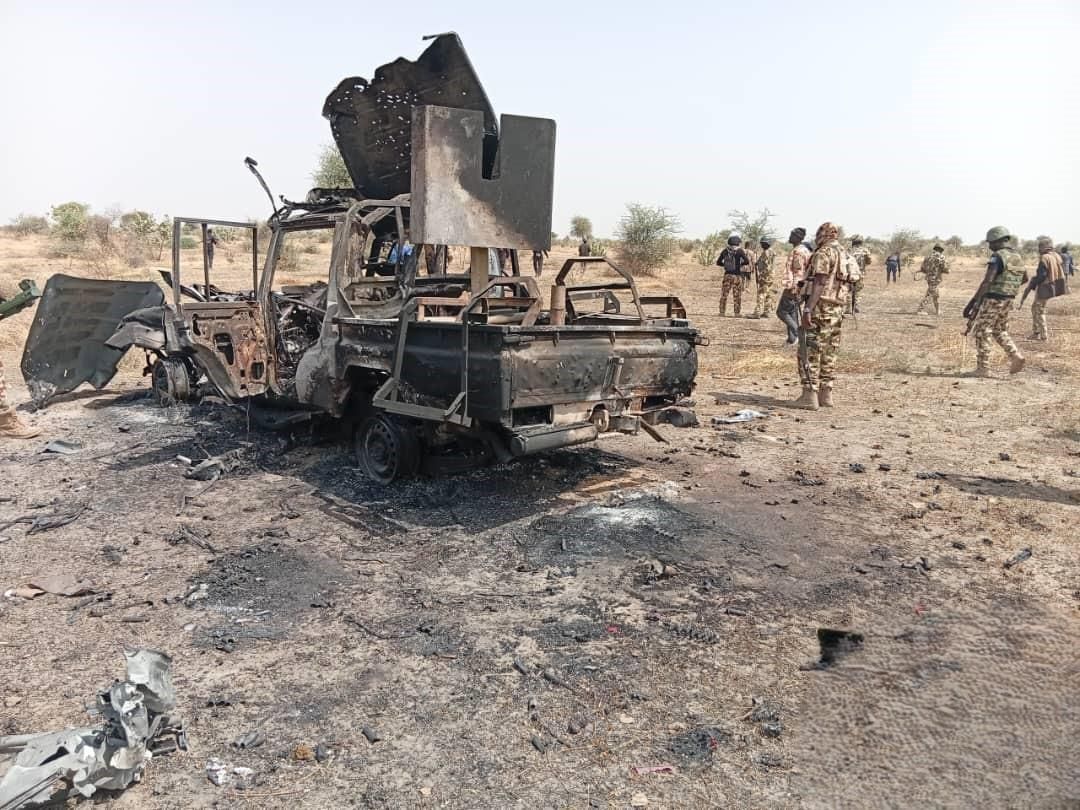
Nigeria has become a country where tragedy is often followed by a familiar ritual. A village is attacked, travellers are abducted, and schoolchildren are kidnapped. Then comes the official response: condemnation, sympathy, assurances, and promises that the perpetrators will be brought to justice.
Yet the attacks continue. This pattern has become one of the most disturbing features of Nigeria’s security crisis. The government appears more effective at issuing statements than delivering security. While citizens are demanding protection, they are often receiving press releases.
The primary responsibility of any government is the protection of lives and property. Everything else, such as economic growth, infrastructure development, foreign investment, education, and healthcare, depends on that foundation. When citizens cannot travel safely, sleep peacefully, or send their children to school without fear, the state is failing in its most basic duty.
Across many parts of the country, insecurity has evolved from an occasional challenge into a daily reality. Bandits, kidnappers, terrorists, and criminal gangs operate with alarming boldness. Highways have become dangerous corridors. Rural communities live under constant threat, farmers are afraid to cultivate their lands, and businesses are relocating or shutting down. Yet despite these realities, official responses often remain trapped in the language of condemnation.
Condemnation has never stopped a bullet. The troubling aspect of the current situation is that government officials often speak as though they are observers rather than those responsible for solving the problem. Every attack is followed by declarations that security agencies have been directed to act. Every kidnapping triggers assurances that investigations are underway. Every massacre is met with promises that the perpetrators will be apprehended. What Nigerians want are results. They want safer roads. They want secure communities. They want criminals arrested, prosecuted, and punished. They want intelligence systems capable of preventing attacks before they occur rather than explaining them after they happen.
Security is not measured by the quality of government statements. It is measured by the safety of citizens.
The persistence of insecurity also raises serious questions about accountability. When security failures become frequent and predictable, there should be consequences. A system where repeated failures attract no scrutiny encourages complacency. Public officials cannot continue to celebrate minor successes while citizens endure major losses.
Beyond military operations, there must be greater investment in intelligence gathering, surveillance technology, community policing, and inter-agency coordination. Criminal networks thrive because they exploit weaknesses in the system. Until those weaknesses are addressed, insecurity will remain a recurring national nightmare.
The economic consequences are equally devastating. Investors are reluctant to commit resources to unstable environments. Farmers abandon their fields. Food production declines. Prices rise. Businesses incur higher security costs. Insecurity is no longer merely a security challenge; it has become a major economic threat.
Perhaps the greatest danger is the gradual normalization of violence. Nigerians are becoming accustomed to news of kidnappings, killings, and attacks. What should provoke national outrage now barely survives a news cycle. This growing numbness is dangerous because it lowers expectations and allows failure to become acceptable.
The government must understand that citizens judge leadership not by speeches but by outcomes. No amount of reassurance can substitute for effective action. No press conference can replace security. No statement can comfort a family whose loved one has been kidnapped or killed.
Nigeria does not suffer from a shortage of official reactions; it suffers from a shortage of effective solutions.
The time has come for government at all levels to move beyond rhetoric and demonstrate measurable progress. Citizens deserve more than promises. They deserve protection.
Until insecurity begins to decline in tangible and visible ways, every new statement will only remind Nigerians of how many previous statements have failed.