
Economy
Dangote Refinery Slashes Petrol Price by N75 as Global Oil Market Cools
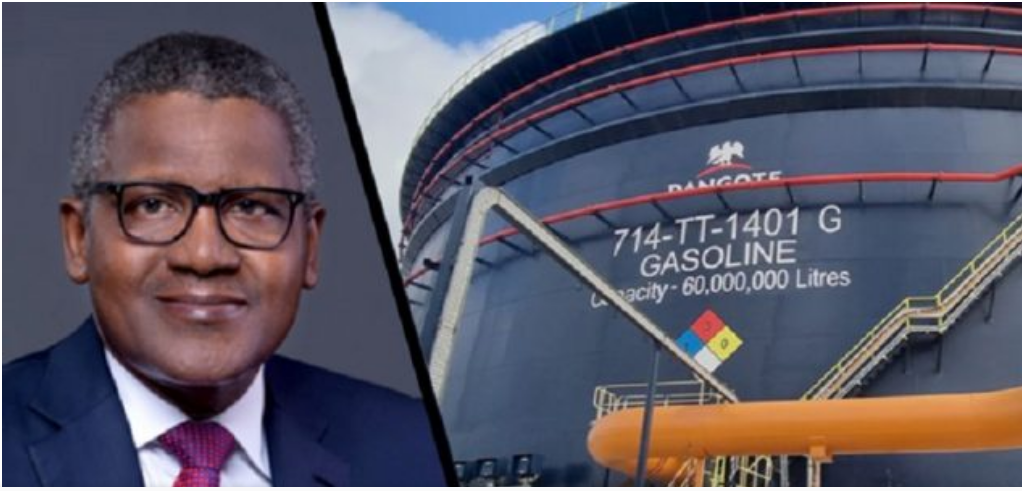
The Dangote Petroleum Refinery has announced a fresh reduction in the price of Premium Motor Spirit (PMS), popularly known as petrol, cutting its ex-depot price by N75 per litre amid easing tensions in the Middle East and a decline in global energy prices.
The latest adjustment lowers the refinery’s gantry price from N1,250 to N1,175 per litre, providing potential relief to fuel marketers and consumers who have endured months of elevated fuel costs driven by international market volatility.
In a notice issued to fuel distributors and marketers on Monday, the refinery attributed the price cut to improving conditions in the global oil market following diplomatic progress aimed at reducing conflict in the Middle East.
According to the company, recent geopolitical developments have helped stabilise crude oil prices after several months of uncertainty that disrupted energy markets worldwide.
The refinery also announced a reduction in its coastal supply price, with the cost per metric tonne dropping from N1,595,790 to N1,495,215.
The new pricing structure took effect from midnight, with the company stating that all outstanding petrol volumes yet to be loaded would automatically be adjusted to reflect the revised rates.
The latest reduction marks the second major price adjustment by the refinery within a relatively short period, reinforcing expectations that domestic fuel prices could continue to respond more quickly to movements in international crude oil markets.
Industry observers say the development could trigger a broader reduction in retail pump prices across Nigeria if independent marketers and filling station operators pass on the savings to consumers.
The adjustment comes after months of rising fuel prices linked to instability in the Middle East, particularly concerns surrounding the Strait of Hormuz, a critical maritime route through which a significant portion of the world’s oil exports passes.
At the height of the tensions, crude oil prices surged above $100 per barrel, increasing production and import costs for refined petroleum products globally. In Nigeria, the impact was reflected in rising petrol, diesel and aviation fuel prices, placing additional pressure on households and businesses already grappling with inflation and high transportation costs.
Recent diplomatic efforts between the United States and Iran, however, have raised hopes of a lasting de-escalation in the region. The resulting decline in crude oil prices has prompted expectations that energy costs could gradually moderate in many parts of the world.
For Nigeria, the price cut is particularly significant because the Dangote Refinery has emerged as a dominant player in the country’s downstream petroleum sector. With a refining capacity of 650,000 barrels per day, the facility is expected to reduce the country’s dependence on imported fuel and improve domestic supply.
Economic analysts believe sustained reductions in fuel prices could help lower transportation costs, ease inflationary pressures and provide some relief to consumers and businesses.
However, they caution that global oil markets remain sensitive to geopolitical developments and that future pricing decisions will largely depend on international crude oil trends.
For now, the latest reduction offers a positive signal for fuel consumers as market participants monitor whether the lower ex-depot price translates into cheaper petrol at filling stations across the country.