
Editorial
Justice Delayed Is Empowering Terrorists
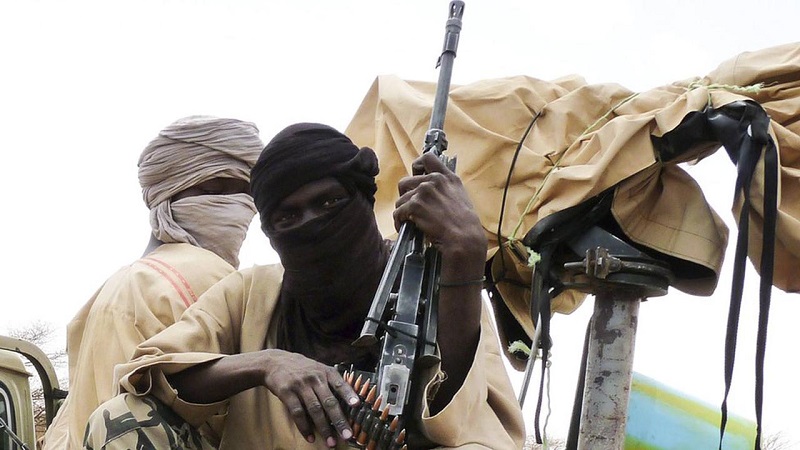
The brutal murder of a retired general by his kidnappers while his wife remains in captivity is yet another painful reminder of Nigeria’s worsening security crisis. It is also a reminder that the fight against terrorism and kidnapping cannot be won on the battlefield alone.
It must also be won in the courtroom.
For years, Nigerians have watched terrorism suspects, bandits, kidnappers, and their collaborators spend years moving through a slow and congested judicial system. While due process remains essential in any democracy, justice that takes too long can become a security problem in itself.
Many terrorist groups and kidnapping syndicates often seek the release of detained members. They take hostages not only for ransom but also as bargaining chips. Every prolonged prosecution increases the value of these detainees to their criminal networks. The result is a vicious cycle in which innocent citizens become targets because criminals hope to negotiate for money, concessions, or the release of their associates.
Nigeria must therefore consider establishing specialized terrorism and kidnapping courts with dedicated judges, prosecutors, and procedures designed to ensure speedy trials while fully respecting constitutional rights.
This is not an argument against due process. It is an argument for efficient due process.
When evidence exists, cases should move swiftly. Witnesses should be protected. Investigations should be completed promptly. Convictions should not take years to secure. The certainty of punishment is often a greater deterrent than its severity.
A justice system that moves too slowly sends the wrong message to criminal groups. It creates the impression that the state lacks urgency. Worse, it leaves victims and their families waiting endlessly for closure.
The murder of a retired general should alarm the nation. If those who once served at the highest levels of the country’s security establishment can become victims, ordinary citizens are even more vulnerable. The government’s response must therefore go beyond rescue operations and military deployments.
The judicial system must become part of the security strategy.
Terrorists and kidnappers should know that once apprehended, they will face a swift, fair, and decisive legal process. The rule of law must remain supreme, but it must also be effective.
Nigeria cannot afford a situation where criminals operate with speed while justice moves at a crawl. Every delay strengthens the perception that crime pays.
The nation owes victims more than sympathy. It owes them justice—and justice must not take forever.