
Foreign News
US Publishes 14-Point Memorandum with Iran, Outlining Roadmap to End Hostilities
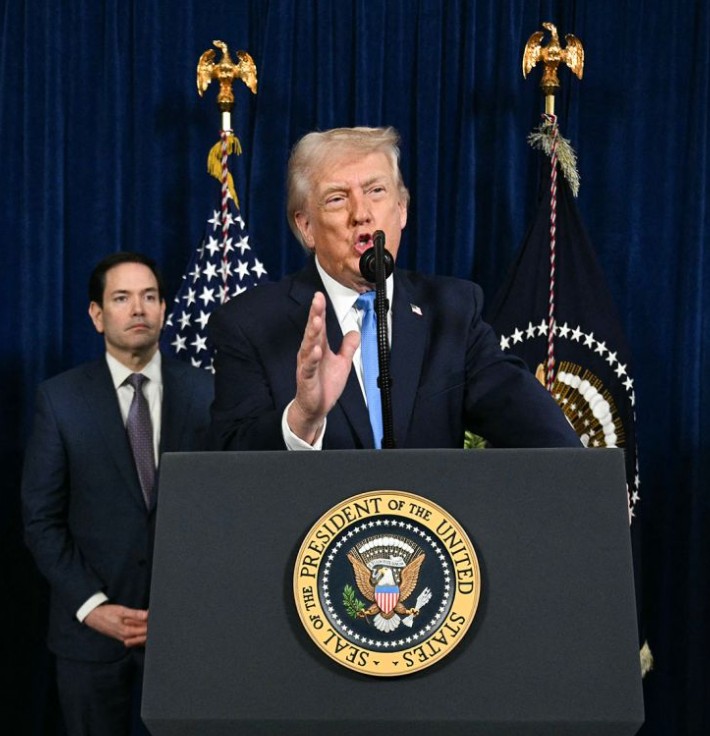
The United States has released the full text of a 14-point Memorandum of Understanding (MoU) reached with Iran, unveiling a proposed framework aimed at ending ongoing hostilities, easing tensions in the Middle East and laying the foundation for a comprehensive peace agreement between the two countries.
The document, known as the “Islamabad Memorandum of Understanding between the United States of America and the Islamic Republic of Iran,” was made public amid growing calls for transparency following reports that both sides had reached a breakthrough understanding after months of diplomatic engagement.
According to reports by CNN, the memorandum is expected to be formally signed on Friday, triggering a 60-day negotiation period during which Washington and Tehran will attempt to convert the framework into a binding final agreement.
The proposed accord addresses some of the most contentious issues that have defined US-Iran relations for decades, including sanctions, Iran’s nuclear programme, regional security, maritime navigation and economic reconstruction.
A key provision of the memorandum calls for the immediate and permanent cessation of military operations between both countries and their allies. The agreement also commits both sides to respecting each other’s sovereignty, refraining from interference in domestic affairs and avoiding future threats or use of force.
One of the most significant elements of the framework concerns the Strait of Hormuz, a strategically important waterway through which a substantial percentage of the world’s oil exports pass. Under the agreement, the United States would begin lifting what the memorandum describes as a naval blockade and reduce military activities near Iran, while Tehran would facilitate the safe passage of commercial vessels through the Persian Gulf and the Sea of Oman.
The proposed arrangement is expected to ease concerns in global energy markets, where disruptions in the Strait of Hormuz have frequently triggered fears of supply shortages and rising oil prices.
The memorandum also contains major economic commitments. The United States pledged to work with regional partners on a reconstruction and development package valued at no less than $300 billion for Iran. Details of how the funding would be implemented are expected to be negotiated during the 60-day period leading to a final agreement.
Perhaps the most consequential aspect of the document is Washington’s commitment to negotiate the removal of sanctions imposed on Iran over the years. The memorandum outlines plans to address United Nations restrictions, International Atomic Energy Agency-related measures and both primary and secondary US sanctions under a mutually agreed schedule.
In return, Iran reaffirmed that it would not pursue or develop nuclear weapons. Both countries agreed to negotiate a mechanism for addressing Iran’s stockpile of enriched nuclear material, with oversight expected from the International Atomic Energy Agency (IAEA).
The agreement further proposes the release and restoration of access to frozen Iranian funds and assets, as well as waivers allowing the export of Iranian crude oil, petroleum products and related services during the implementation phase.
An independent monitoring mechanism is also expected to be established to oversee compliance with both the memorandum and any future peace accord.
Relations between Washington and Tehran have remained strained for more than four decades, marked by sanctions, diplomatic disputes, military confrontations and disagreements over Iran’s nuclear ambitions. Previous attempts to reach lasting agreements have often faltered amid political changes and mutual distrust.
Analysts say the publication of the memorandum represents one of the most detailed diplomatic frameworks seen between the two countries in recent years. If successfully implemented, the agreement could reshape regional security dynamics, restore economic ties and reduce tensions in one of the world’s most strategically important regions.
The final agreement, according to the memorandum, would ultimately be endorsed through a binding resolution of the United Nations Security Council, giving the deal international legal backing and oversight.