
Foreign News
FG Weighs Options Against South African Businesses as Xenophobic Attacks on Nigerians Persist
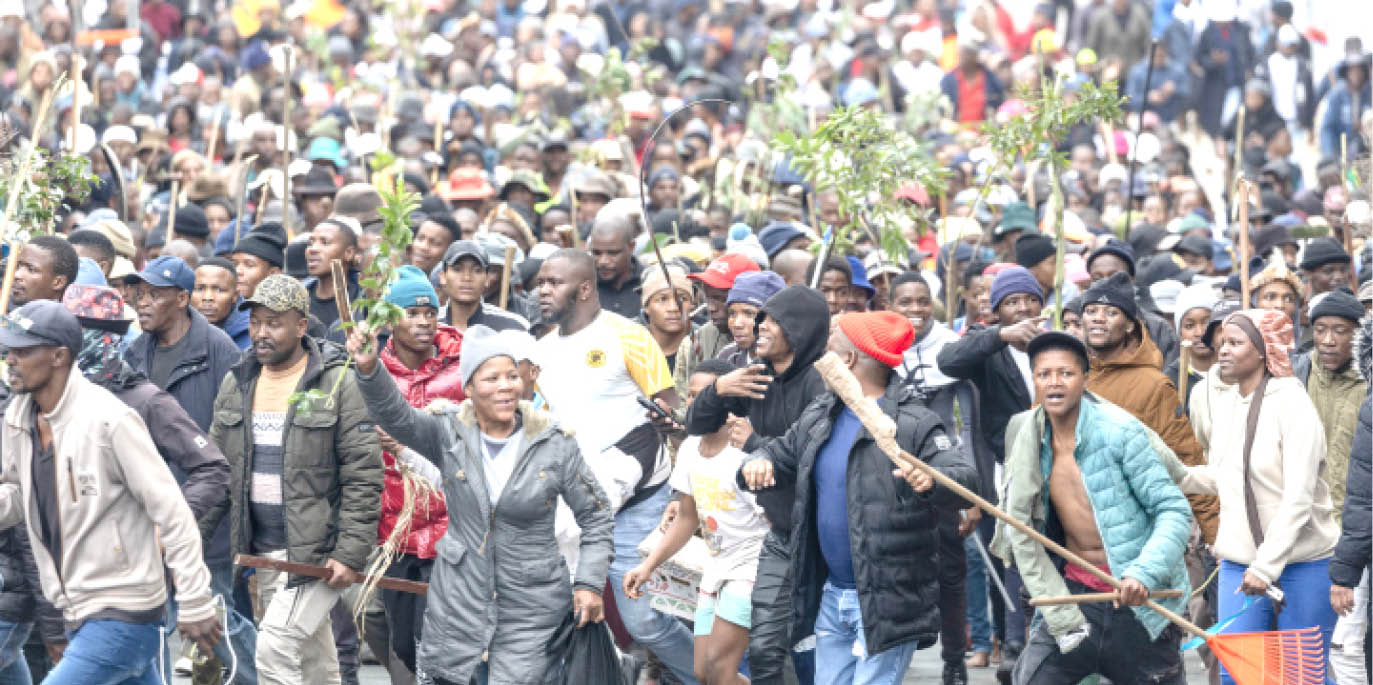
The Federal Government has signalled that it may review the operations of South African-owned companies in Nigeria if continued attacks and harassment of Nigerians living in South Africa are not addressed, raising fresh concerns about the diplomatic fallout from recurring xenophobic tensions between the two African nations.
Minister of Foreign Affairs, Ambassador Bianca Odumegwu-Ojukwu, disclosed this on Thursday while speaking on the worsening situation facing Nigerians in South Africa and ongoing efforts to secure the safety of affected citizens.
The minister expressed concern that despite years of diplomatic engagement and repeated appeals by the Nigerian government, reports of intimidation, forced displacement and discrimination against Nigerians in South Africa continue to emerge. She noted that Nigeria had exercised considerable restraint in handling the matter but warned that patience should not be mistaken for weakness.
According to her, South African businesses operating in Nigeria enjoy a favourable environment without facing the kinds of restrictions and scrutiny being directed at Nigerians abroad.
“There are more than 120 South African companies operating in Nigeria across various sectors of the economy. Their staff work freely, their businesses operate without interference and no one questions their right to be here,” she said.
Odumegwu-Ojukwu pointed specifically to major South African investments in Nigeria, including telecommunications provider MTN, pay television operator MultiChoice, financial institution Stanbic, hospitality brand Protea and several others that have established significant footprints in the country’s economy over the years.
The minister stressed, however, that any action taken by the Federal Government would be guided by constitutional provisions and established legal processes. She explained that while the executive arm of government continues diplomatic engagements with Pretoria, the National Assembly would have a role to play in determining any broader national response if current efforts fail to produce results.
Her comments come amid growing outrage among Nigerians following reports that some Nigerians and their families have been targeted in South Africa. She noted that many of those affected have lived in the country for years, built businesses, married South African citizens and raised children who consider South Africa their only home.
“Some of these individuals are married to South Africans and have children who have known no other country. Yet they are now being told to leave alongside their spouses and families. That is deeply troubling,” she said.
The minister also revealed that South African authorities had abandoned a Memorandum of Understanding signed with Nigeria in October 2025 on an early warning mechanism designed to prevent conflicts and protect citizens of both countries during periods of tension.
The agreement was intended to provide a framework for communication and intervention whenever incidents threatened the lives or property of Nigerians in South Africa or South Africans residing in Nigeria. Its apparent abandonment has raised concerns about the effectiveness of existing bilateral safeguards.
Relations between Nigeria and South Africa have experienced periodic strain over the past two decades, largely due to repeated outbreaks of xenophobic violence targeting foreign nationals. Nigerians have frequently been among the victims, prompting diplomatic protests, emergency evacuations and calls for stronger action from Abuja.
Public pressure on the Federal Government intensified earlier this year when former Edo State governor and Senator representing Edo North, Adams Oshiomhole, urged authorities to revoke the licences of major South African companies operating in Nigeria, including MTN and MultiChoice, in response to renewed attacks on Nigerians.
While the Federal Government has not announced any immediate sanctions, the latest remarks from the foreign affairs minister suggest that Nigeria may be prepared to consider tougher measures if diplomatic efforts fail to secure adequate protection for its citizens.
Analysts say the situation will test the relationship between Africa’s two largest economies, both of which maintain extensive trade, investment and diplomatic ties. They warn that any escalation could have significant economic consequences for businesses and investors operating across both countries.