
Headlines
FG Expands Case Against El-Rufai with Fresh National Security Charges
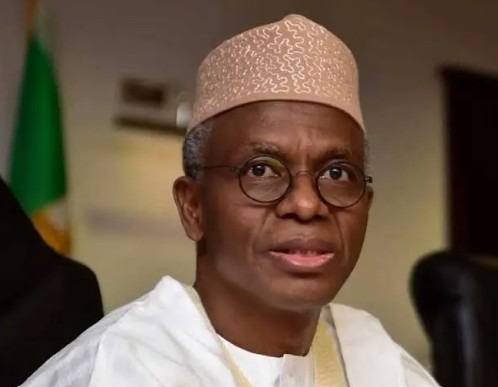
The Federal Government has intensified its prosecution of former Kaduna State governor, Nasir El-Rufai, filing new charges that significantly widen the scope of allegations against him to include interference with critical national infrastructure and unauthorised access to classified information.
The revised case was presented before the Federal High Court in Abuja, where the former governor was arraigned on a further amended five-count charge. The new filing, dated April 13, 2026, replaces an earlier three-count charge instituted in February, marking a notable escalation in the legal battle between the state and the high-profile politician.
At Thursday’s proceedings, presided over by Justice Joyce Abdulmalik, El-Rufai pleaded not guilty to all counts after the court granted the prosecution’s request to substitute the initial charge. The prosecution, led by counsel to the Department of State Services, Oluwole Aladedoye (SAN), told the court that the amended charges reflect a broader and more serious set of allegations tied to national security concerns.
Unlike the earlier case, which focused primarily on claims of unlawful interception of communications, the new charge introduces offences linked to Nigeria’s critical information infrastructure. In one of the counts, the government alleges that El-Rufai intentionally interfered with the communication systems of the National Security Adviser, Nuhu Ribadu, describing the channel as part of the country’s protected national infrastructure.
The prosecution argues that such actions contravene provisions of the Designation and Protection of Critical National Information Infrastructure Order, 2024, as well as the Cybercrimes (Prohibition, Prevention, etc.) Amendment Act, 2024—laws enacted to safeguard sensitive digital systems and communications vital to national security.
In another newly introduced count, El-Rufai is accused of gaining unauthorised access to classified government information, including details surrounding an alleged arrest and detention order involving the National Security Adviser. This allegation marks a shift from the earlier framing of the case, elevating it from a communications-related offence to a potential breach of state secrecy.
The amended charge also restructures previous allegations. One count accuses the former governor of unlawfully intercepting communications, an offence the prosecution claims he publicly admitted during a televised interview. Another alleges that he, alongside unnamed associates, deployed technical systems capable of undermining public safety and creating widespread fear.
Legal experts say the introduction of additional counts and the separation of earlier allegations into distinct offences suggest a deliberate effort by prosecutors to strengthen the case and increase the potential legal consequences if convicted. The inclusion of national security elements also raises the stakes, as such offences are treated with heightened seriousness under Nigerian law.
El-Rufai, who governed Kaduna State from 2015 to 2023, remains a prominent political figure and has been actively involved in national discourse since leaving office. His prosecution is one of the most high-profile cases involving a former state governor in recent years, drawing attention from political observers and civil society groups.
The case also highlights the growing importance of cybersecurity and the protection of digital infrastructure in Nigeria, as government institutions increasingly rely on technology for communication and operations. Recent reforms, including updates to the Cybercrimes Act, reflect a broader effort to address emerging threats in the digital space.
With the defendant maintaining his innocence, the court is expected to proceed to trial in the coming weeks. Observers say the outcome could set important precedents for how cases involving digital offences and national security are handled in Nigeria.
As proceedings continue, the case is likely to remain under close public scrutiny, given its political implications and the serious nature of the allegations.