
Headlines
Nigeria Among Worst-Hit as Global Food Crisis Spirals Out of Control
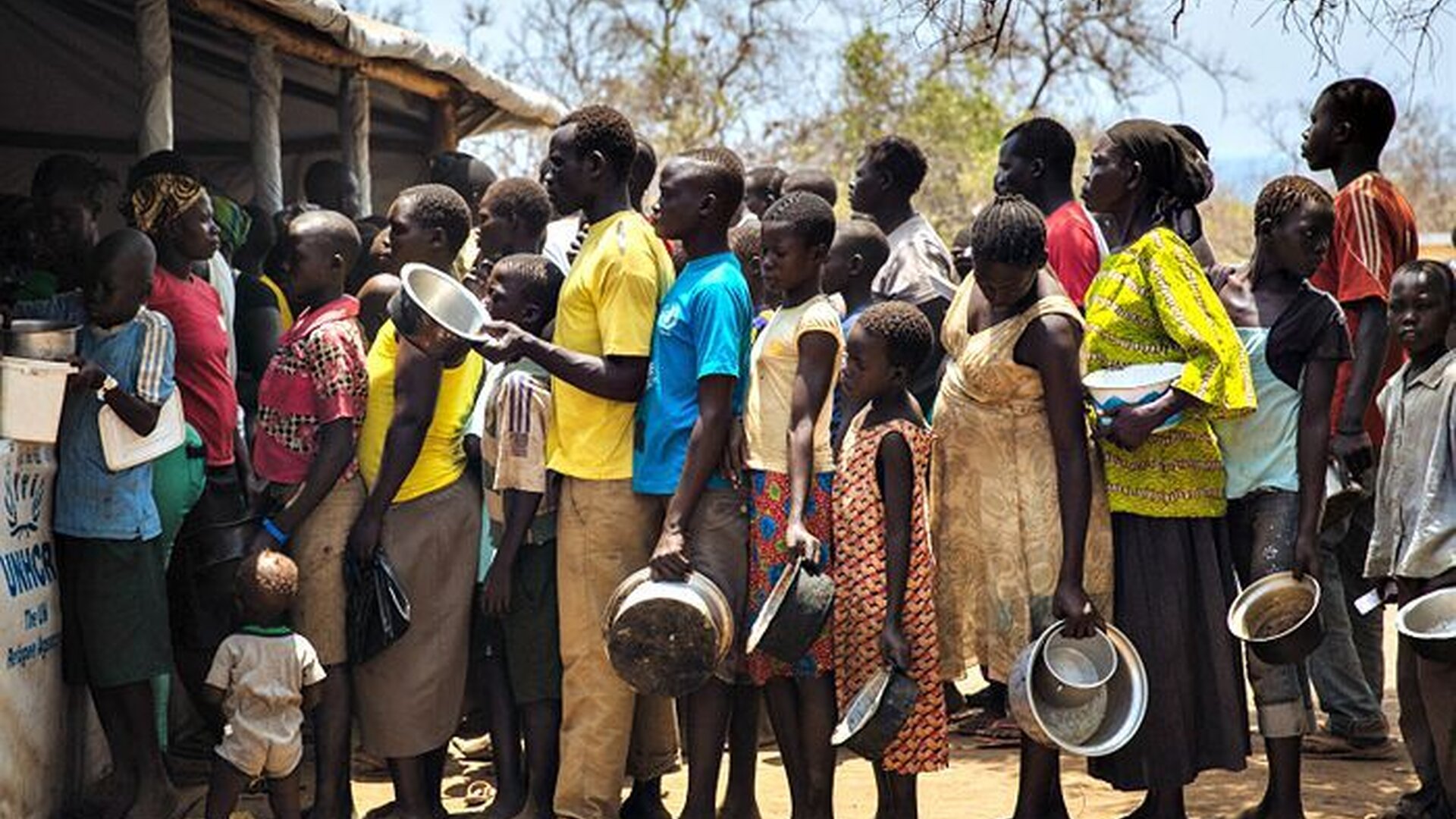
Nigeria and nine other conflict-affected countries now account for nearly two-thirds of the world’s population facing acute food insecurity, according to a new global report that highlights the growing link between violence and hunger.
The 2026 Global Report on Food Crises, released on Friday by a coalition of international partners including the Food and Agriculture Organization and the European Union, found that about 266 million people across 47 countries experienced severe levels of acute food insecurity in 2025. This represents almost a quarter of the population analysed and marks a sharp increase from figures recorded less than a decade ago.
The report identifies Nigeria as one of the countries at the centre of the crisis, alongside others grappling with protracted conflicts and instability. Analysts say the concentration of hunger in a relatively small number of countries reflects how violence, displacement, and economic disruption continue to undermine food systems and livelihoods.
Globally, the findings point to a worrying trend: food crises are no longer short-term emergencies but are becoming entrenched and cyclical. According to Qu Dongyu, the persistence of acute hunger signals deeper structural problems that require long-term solutions.
“Acute food insecurity today is not just widespread—it is also persistent and recurring,” he said, warning that without sustained intervention, millions could remain trapped in chronic vulnerability.
In Nigeria, the situation is closely tied to ongoing security challenges, particularly in the North-East, where insurgency and banditry have displaced millions of people and disrupted farming activities. The inability of farmers to access their land, combined with rising input costs and climate-related shocks such as flooding and drought, has significantly reduced food production in affected regions.
The report also notes that inflation and economic pressures have compounded the crisis, making basic food items increasingly unaffordable for many households. In recent years, Nigeria has faced steep increases in food prices, driven by currency instability, supply chain disruptions, and the removal of fuel subsidies, which has raised transportation costs.
Beyond Nigeria, other countries highlighted in the report include those experiencing armed conflict, political instability, or severe economic downturns. Together, these nations account for the majority of people facing the most severe forms of hunger, underscoring the strong correlation between conflict and food insecurity.
Humanitarian agencies warn that the growing scale of the crisis is stretching global response systems. While emergency food assistance remains critical, experts argue that more emphasis must be placed on building resilient food systems, supporting local agriculture, and addressing the root causes of conflict.
The report’s findings come at a time when global attention is increasingly focused on food security as a key component of economic stability and national security. For Nigeria, addressing hunger is not only a humanitarian priority but also essential for social stability and long-term development.
Stakeholders say coordinated action involving government, international partners, and local communities will be required to reverse the trend. This includes improving security in farming regions, investing in agricultural infrastructure, and expanding social safety nets for vulnerable populations.
As the report makes clear, the global hunger crisis is deepening—and for countries like Nigeria, the challenge will be turning policy commitments into tangible improvements in food access and affordability.