
Headlines
Senate Reverses Controversial Rule Amendments After Constitutional Concerns
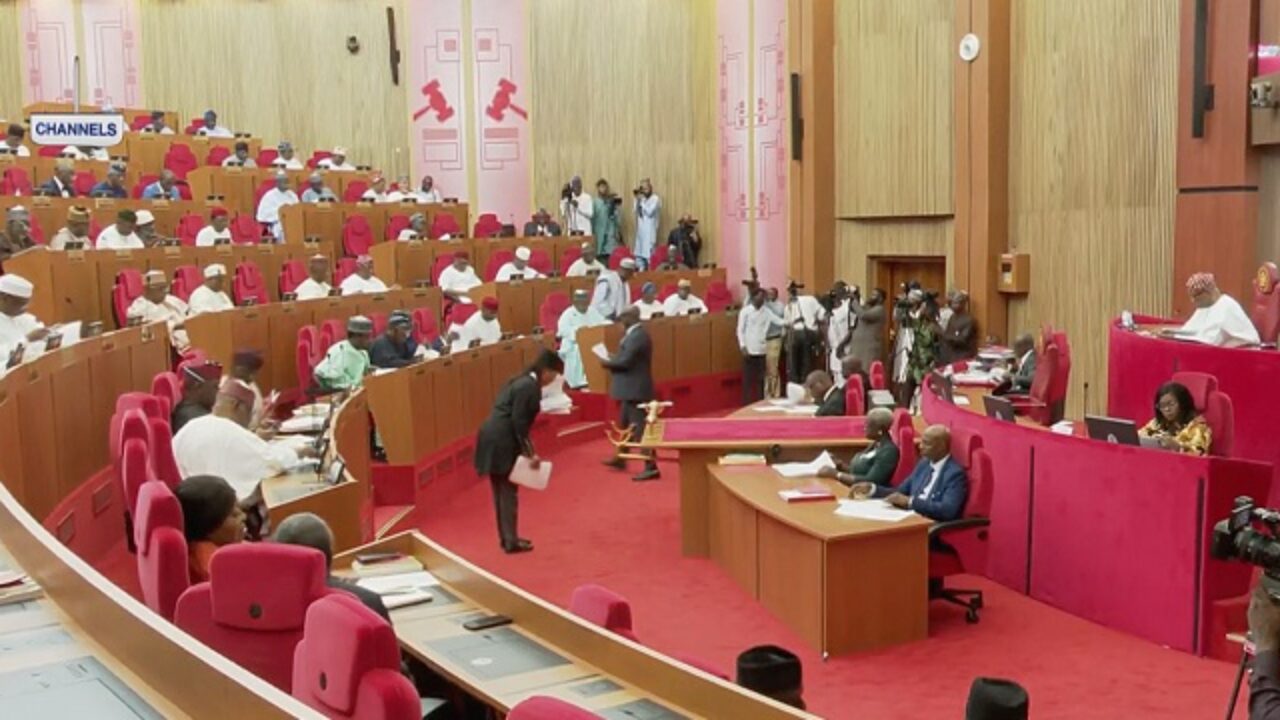
The Nigerian Senate on Thursday rescinded controversial amendments to its Standing Orders 2026 following growing concerns among lawmakers that parts of the revised rules conflicted with provisions of the 1999 Constitution.
The decision came only days after the upper chamber approved the amendments, which had sparked controversy within the Senate and contributed to heightened tensions among lawmakers.
The development also triggered sharp criticism from Senator Adams Oshiomhole, who reportedly called on Senate President Godswill Akpabio to step down from office amid the dispute over the rule changes.
The amendments had generated intense debate because they were widely perceived as tightening eligibility requirements for key leadership positions within the Senate, including the offices of Senate President and Deputy Senate President.
Political observers linked the changes to growing interest among outgoing governors and influential political figures preparing to enter the Senate ahead of the 2027 general elections.
Several governors nearing the end of their tenures are reportedly positioning to secure senatorial seats, with analysts suggesting that many intend to compete for principal offices in the National Assembly once their governorship terms expire.
Among those frequently mentioned is Hope Uzodimma, whose second term as governor ends in January 2028 and who is believed to be interested in a future Senate leadership role.
During Thursday’s plenary, Senate Leader Opeyemi Bamidele moved the motion for the reversal, explaining that further legislative and constitutional review had revealed possible inconsistencies between the amended rules and Section 52 of the Constitution.
According to Bamidele, the Senate possesses the parliamentary authority to revisit and reverse earlier decisions whenever necessary to preserve the integrity of its legislative framework.
He specifically referenced amendments made to Order 2 Subsection 2 and Order 3 Subsection 1 of the Standing Orders, noting that the provisions could create constitutional tensions if allowed to remain.
“The Senate possesses the inherent parliamentary authority to revisit, rescind and recommit any matter previously decided upon,” he stated during deliberations.
The motion was seconded by Senator Enyinnaya Abaribe.
Deputy Senate President Jibrin Barau, who presided over the session, described the reversal as necessary to ensure that the Senate’s internal rules fully aligned with constitutional provisions.
“This is a very straightforward motion — it’s just for us to go in conformity with the Constitution,” Barau said.
The Senate’s decision highlights growing sensitivity around leadership succession and power dynamics within the National Assembly as political calculations for 2027 intensify.
In recent weeks, the Senate has witnessed several heated exchanges linked to procedural amendments and leadership eligibility rules, including a public disagreement between Akpabio and Oshiomhole during plenary.
Analysts say the quick reversal suggests lawmakers were eager to avoid a prolonged constitutional controversy that could further deepen divisions within the chamber.
The development also reflects the increasing influence of 2027 political calculations on legislative activities, as governors, former governors and senior political figures begin repositioning for future leadership contests.