
Headlines
Obi, Kwankwaso Set to Unveil New Political Platform Ahead of 2027, Galadima Reveals
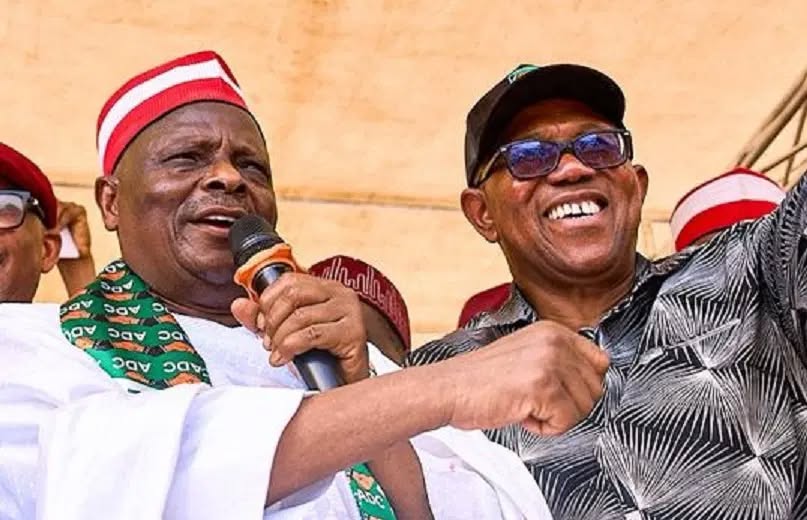
Fresh political realignments may be unfolding ahead of the 2027 general elections as the Secretary of the Board of Trustees of the New Nigeria People’s Party, Buba Galadima, disclosed that former Anambra State governor Peter Obi and former Kano State governor Rabiu Kwankwaso are expected to announce a new political platform on Monday.
Galadima made the revelation during a stakeholders’ meeting organised by the Obi-Kwankwaso Movement in Abuja, where opposition figures and supporters gathered amid increasing uncertainty surrounding coalition talks among major opposition blocs.
Although the NNPP chieftain did not officially identify the platform, sources close to the negotiations indicated that Obi and Kwankwaso were finalising arrangements to align with the newly formed Nigeria Democratic Congress, a political movement reportedly linked to former Bayelsa State governor Seriake Dickson.
Insiders familiar with the discussions said senior allies of both politicians had already participated in strategic meetings and documentation processes involving leaders of the proposed platform.
According to one source close to the coalition efforts, the decision followed growing dissatisfaction with previous opposition alliance arrangements, particularly concerns that some coalitions were being shaped around individual presidential ambitions rather than broader party-building goals.
The development comes at a critical moment for Nigeria’s opposition landscape following recent Supreme Court judgments affecting the leadership structures of opposition parties, including the African Democratic Congress and the Peoples Democratic Party.
Political observers say the latest move could reshape opposition strategies ahead of 2027, especially if Obi and Kwankwaso succeed in building a broad coalition capable of challenging the ruling All Progressives Congress.
Obi, the Labour Party presidential candidate in the 2023 election, maintained significant popularity among urban youths and first-time voters during the last electoral cycle, while Kwankwaso remains influential in Kano and parts of northern Nigeria through his Kwankwasiyya political movement.
Analysts believe a formal alliance between both politicians could potentially create a strong regional and demographic coalition spanning parts of the South-East, North-West and urban middle-class voters across the country.
Speaking at the meeting, Galadima warned supporters to expect political attacks and media campaigns once the new platform is officially unveiled.
He alleged that opponents would deploy columnists and social media influencers to discredit the emerging coalition and urged supporters to remain active in defending the reputations of their leaders online and in public debates.
The veteran politician also encouraged members of the movement to strategically counter criticism and misinformation, stressing the importance of coordinated political communication in the digital age.
The growing coalition talks reflect increasing efforts among opposition politicians to avoid fragmentation ahead of the next presidential election. Since the 2023 polls, discussions about mergers, alliances and coalition-building have intensified as opposition leaders seek ways to consolidate votes against the APC.
However, political analysts warn that personal ambitions, regional interests and leadership rivalries remain major obstacles to the formation of a united opposition front.
If formally launched, the new platform could trigger one of the most significant political shifts in Nigeria’s opposition politics since the coalition that produced the APC ahead of the 2015 elections.