
Grassroots
Meet the “Waka Man” Lorenz Mba
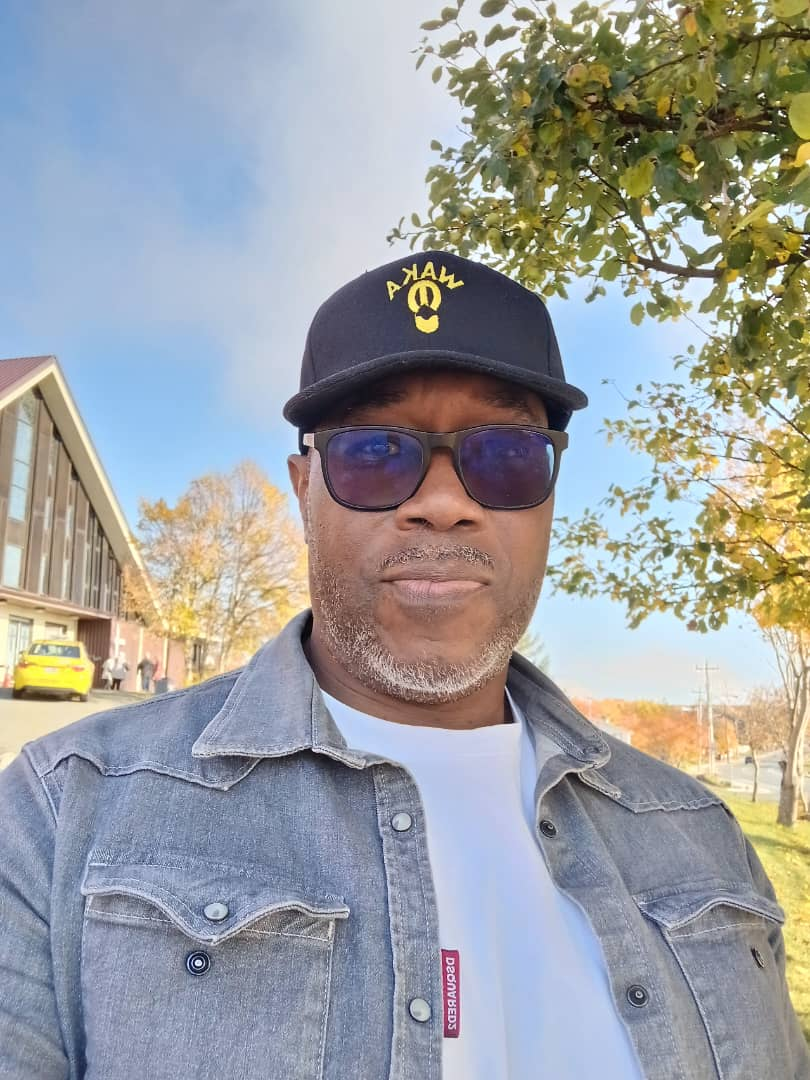
The founder and head advocate of the Waka Community International Foundation who is fondly referred to as the “Waka Man” or “Waka Founder” is Lorenz Mba.
He established the organization in September 2021, turning his personal passion for physical fitness into a global non-profit wellness movement that promotes healthy living through walking (affectionately called “wakaing”), proper hydration, responsible nutrition, getting adequate sleep and resistance training.
Key details about him and the foundation:
Founded: September 2021, when Lorenz turned his personal commitment to fitness into a structured global movement
Core mission: Promoting preventive health through daily simple habits such as walking — which the community calls “wakaing” — along with proper hydration, responsible eating, getting adequate sleep and simple, sustainable wellness habits
Approach: Waka Community International Foundation operates as a non-profit that frames walking as an accessible, social, and low-barrier way for people of all ages and socioeconomic demographics to improve physical and mental health
Global reach: What started as a personal passion has grown into an international community with local chapters, virtual challenges, and daily waka groups
Lorenz is active in advocating that small, consistent steps — literally — build long-term health. The movement leans heavily on community accountability, hydration awareness, and making fitness feel less intimidating.
Why walking you may ask?
Lorenz Mba picked walking or “wakaing” — because it removes the biggest barriers that keep people from getting healthier.
Why walking over gym, running, or other fitness:
Accessibility: No equipment, membership, or training needed. If you can walk, you can waka. That matters when you’re trying to build a global movement that includes all ages, income levels, and fitness starting points.
Low intimidation factor: Gyms and running clubs can feel exclusive or judgmental. Walking feels familiar. Lorenz has often talked about wanting health to feel “doable on day one,” not something you need to prep for.
Consistency over intensity: The foundation’s philosophy is that daily small steps beat occasional intense workouts. Walking is easy to repeat, which builds habit and community accountability. Consistency is key to success
Social by design: You can talk while you waka. That turns exercise into connection time. Waka groups use walking as a way to check in, share goals, and keep each other accountable — harder to do mid-burpee.
Hydration + mindfulness link: Walking pace lets you focus on breathing, posture, and hydration, which are core pillars of the Waka program. Higher-intensity fitness often makes people skip those.
Injury risk + inclusivity: At over 60 himself, Lorenz emphasizes healthspan and lifespan or longevity. Walking is joint-friendly and scalable — 10 mins or 10k steps, both count. That opens the door for seniors, beginners, and people managing chronic conditions.
So the choice was strategic: walking is the lowest-friction way to get the most people moving, together, consistently.
Once the habit is there, some Waka chapters do add challenges, but the foundation stays rooted in wakaing as the entry point. A few reasons intense workouts still get all the hype — even though walking works — and none of them mean walking is “less than.”
Why the bias toward intensity exists:
Marketing + media: Fitness culture was built around transformation photos, 6-week shreds, and “no pain, no gain.” Those stories sell gym memberships, supplements, and programs. Walking is free and doesn’t look dramatic on Instagram, so it gets less airtime.
Time vs effort myth: People assume “if it doesn’t leave me destroyed, it didn’t count.”
We’re wired to equate pain with progress. But research keeps showing that total weekly movement matters more than how hard each session feels. 150 min/week of brisk walking gives most of the same mortality benefits as vigorous exercise. • Confusing goals: If your goal is elite athletic performance, powerlifting PRs, or bodybuilding, then yes — you need intensity. But if the goal is staying healthy and flexible into old age, longevity, mental health, blood sugar control, and consistency, walking punches way above its weight.
The problem is people apply “athlete rules” to “regular life goals.”
Dopamine + quick wins: HIIT and heavy lifts give an immediate endorphin rush and visible pump. Benefits of walking include lower resting heart rate, better sleep, improved mood — are slower, quieter wins. Harder to notice day-to-day, easier to underestimate.
Status signaling: For a long time, “I ran a marathon” or “I deadlift 2x bodyweight” carried social status. “I walk 8k steps daily” didn’t. That’s shifting now, but the old mindset lingers.
What Lorenz Mba and Waka Community International Foundation are pushing back on: the idea that health has to be extreme to be valid.
Walking is effective — for heart health, insulin sensitivity, mental health, joint mobility, and longevity. The CDC, WHO, and American Heart Association all list brisk walking as “moderate-intensity” exercise that meets guidelines.
Intense workouts are great if you enjoy them. But they’re not required. Consistency beats intensity every time for public health. That’s the whole Waka thesis: make the barrier so low that people actually do it daily instead of quitting after 3 weeks. Think of it like this: intense workouts are sprinters. Walking is compound interest. One looks flashy, the other quietly makes you rich.
To join Waka Community International Foundation — the global wellness movement started by “Waka Man” Lorenz Mba — you’ve got a few ways in depending on how you want to participate:
1. Become a Member / Join a Waka. The foundation runs on community chapters and daily walking groups, both in-person and virtual.
Join a walk: Waka Community encourages anyone to “ Waka and share your photos, videos and stats on the Waka Community International Foundation social media platforms ” as the easiest entry point. Local chapters in different cities across the world often post meetup times for group wakaing sessions.
Membership: You can become an official member and attend events. Members get plugged into the community network Lorenz describes as “like-minded individuals of different ages and socioeconomic demographics”.
2. Volunteer or Contribute Skills:
Waka Community asks patrons to volunteer, evangelise, offer expertise, fundraise, or collaborate as corporate partners/sponsors. If you have skills in health, events, tech, or community organizing, they use volunteer support to run programs. Your help will be appreciated.
3. Donate or Support:
The foundation is a registered non-profit with CAC in Abuja, Nigeria, and copyright protection in 179 countries. You can support via the Donate button on their website menu – www.wakacommunity.com. Donations help expand reach in Nigeria and the Diaspora. Very worthwhile.
4. Connect Online
Lorenz and the foundation are active on social platforms. Waka Community International Foundation platforms share health tips and calls for participation. Look for their official pages to find your nearest chapter or virtual waka events.
Twitter: @WakaCommunity
Instagram: @wakacommunityfoundation
YouTube Channel: @wakacommunity
TikTok: @wakacommunity
X: @wakacommunity
Facebook : @wakacommunityinternational
Best way to start right now:
1. Visit the Waka Community International Foundation website — www.wakacommunity.com and select “Join Now”2. Check if there’s a chapter in your city. Many Chapters of Waka Community International Foundation coordinate via WhatsApp or Facebook or Instagram. 3. If you can’t find a local group, start wakaing daily and tag the community online — Lorenz emphasizes health evangelising and participation as core ways to join.
Now you know. Waka makes sense… AbsoWAKAlutely