
Headlines
APC Governorship Primaries Begin Amid Consensus Battles, Fubara Withdraws in Rivers
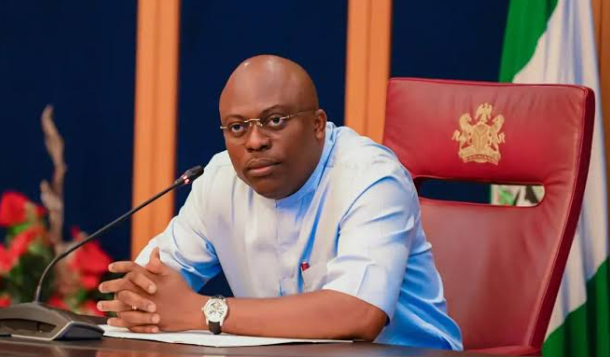
The All Progressives Congress is set for a major round of governorship primaries across Nigeria today as political tensions rise over attempts by party leaders to impose consensus candidates ahead of the 2027 general elections.
The primaries, scheduled across the 36 states, are expected to shape the APC’s political direction and determine key alliances within the ruling party before the national elections.
In several states, influential political figures and governors have reportedly pushed for consensus arrangements to prevent bitter internal contests and possible defections. However, many aspirants have resisted the moves, insisting on open and competitive primaries.
Political observers say the exercise could become one of the most defining moments for the APC as the party struggles to balance internal unity with competing ambitions among governors, lawmakers and power blocs.
Among the most closely watched contests are those in Rivers State, Adamawa State, Kwara State and Plateau State.
Attention has particularly focused on Rivers State following dramatic political developments involving Governor Siminalayi Fubara.
Tensions had already intensified after several politicians believed to be loyal to Fubara failed to secure clearance for the APC House of Assembly primaries, fuelling speculation that the governor faced significant resistance within the party structure.
Analysts linked the situation to the prolonged political rivalry between Fubara and the Minister of the Federal Capital Territory, Nyesom Wike, whose influence continues to dominate Rivers politics.
However, in a surprising late-night development on Wednesday, Fubara announced his withdrawal from the APC governorship primary race.
In a statement titled My Decision to Withdraw from the Rivers State Gubernatorial Primaries, the governor said he took the decision after consultations with family members, political associates and close supporters.
According to him, the decision was aimed at preserving peace, unity and political stability in Rivers State.
Fubara described the move as difficult but necessary in the broader interest of the state, stressing that collective peace should take precedence over personal political ambition.
His withdrawal has already sparked fresh speculation over the balance of power within Rivers APC and the possible emergence of candidates aligned with rival political blocs.
Across other states, party stakeholders are also battling over consensus arrangements, with some aspirants accusing influential leaders of manipulating the process to favour preferred candidates.
The APC leadership has defended consensus candidacies as a legitimate strategy permitted under Nigeria’s electoral laws and party constitution, arguing that it helps reduce internal conflict and litigation.
However, critics within the party warn that forced consensus arrangements could deepen resentment and trigger defections ahead of the elections.
Political analysts note that governorship primaries are particularly critical because governors remain among the most influential actors in Nigerian politics, controlling state structures, delegates and campaign machinery.
The outcome of the primaries is also expected to influence future contests for the Senate, House of Representatives and presidential tickets within the APC.
As voting begins nationwide, security agencies are monitoring several states considered politically volatile due to factional disputes and heightened political tension.
Observers say the conduct of the primaries may also test the APC’s internal democratic credibility at a time when opposition parties are struggling with their own leadership and structural crises.