
Education
FG Bans Honorary Degree Holders from Using ‘Dr’ Title, Declares Practice Fraudulent
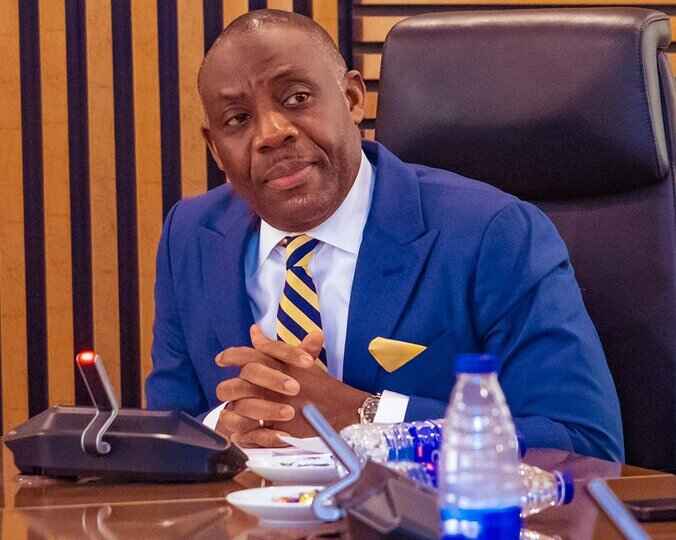
The Federal Government has prohibited recipients of honorary degrees from using the title “Dr” in any official, academic or professional context, describing the practice as a misrepresentation of qualifications that will now be treated as academic fraud.
The directive was announced on Wednesday by the Minister of Education, Tunji Alausa, during a briefing with State House correspondents at the Presidential Villa.
Alausa disclosed that the decision followed approvals by the Federal Executive Council, aimed at regulating the award and usage of honorary degrees across Nigerian universities.
According to him, the new policy introduces a uniform standard to address what the government described as longstanding abuse and commercialisation of honorary academic titles.
He was joined at the briefing by the Minister of State for Education, Suwaiba Ahmad, who also highlighted the need to restore integrity within the country’s higher education system.
Under the new guidelines, individuals awarded honorary doctorates will no longer be permitted to prefix “Dr” to their names, as the government insists such titles do not represent earned academic qualifications.
“The use of honorary titles as academic credentials is misleading and undermines the credibility of Nigeria’s education system,” Alausa said, warning that violators could face legal and reputational consequences.
Honorary degrees are traditionally awarded by universities to recognise individuals for outstanding contributions to society, leadership or professional achievement, rather than academic study or research.
However, the minister noted that the system in Nigeria has increasingly been abused, with institutions allegedly conferring such honours for political patronage, financial incentives or social influence.
He also criticised the practice of awarding honorary degrees to serving public officials, describing it as unethical and contrary to global academic standards.
Education experts have long raised concerns about the proliferation of honorary doctorates in Nigeria, arguing that it dilutes the value of academic achievements earned through rigorous study and research.
The new policy is expected to affect universities nationwide, requiring them to adopt stricter guidelines in the nomination, approval and conferment of honorary awards.
Stakeholders say the move could help improve public confidence in Nigeria’s education system, which has faced criticism over quality, governance and declining standards in recent years.
Analysts also note that the decision aligns with broader efforts by the government to reform the education sector, strengthen regulatory oversight and ensure that academic titles reflect genuine scholarly accomplishment.
The announcement comes amid ongoing debates about professionalism and ethical standards in both the public and private sectors, where titles often carry significant social and professional weight.
While reactions to the policy are still emerging, some observers believe the directive may face resistance from individuals and institutions accustomed to the widespread use of honorary titles in formal settings.
Nevertheless, the government insists that the reform is necessary to protect the integrity of academic qualifications and to discourage practices that blur the distinction between earned and honorary recognition.