
Economy
FG Rebuts Claims of Revenue Diversion, Says World Bank Report Misinterpreted
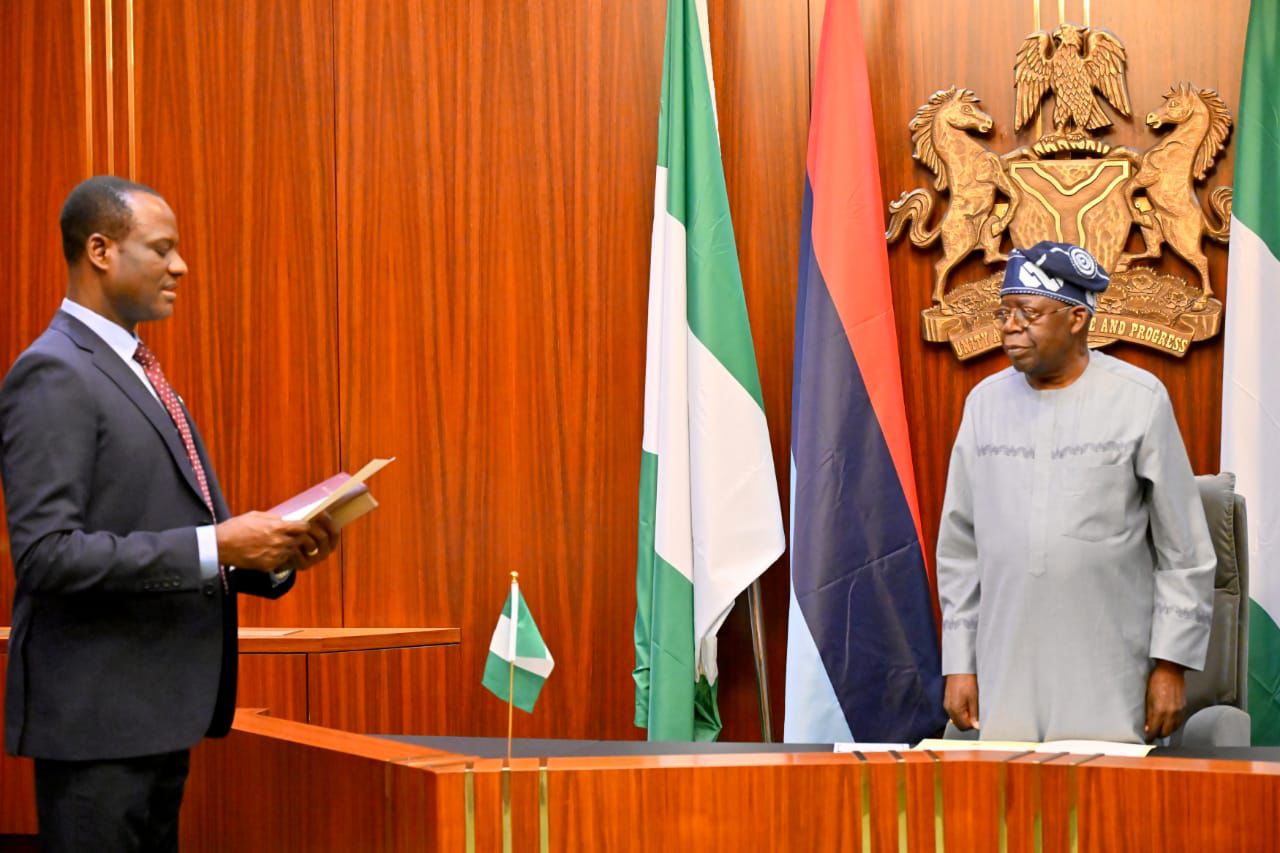
The Federal Government has pushed back against claims of hidden spending and diversion of federation revenue, insisting that recent reports misrepresent the findings of the World Bank on Nigeria’s fiscal position. The clarification comes amid growing public scrutiny of government finances and the management of shared national earnings.
In a statement issued in Abuja on Sunday, the Minister of State for Finance, Taiwo Oyedele, described the allegations as a “fundamental misunderstanding” of Nigeria’s fiscal structure, particularly the operations of the Federation Account Allocation Committee (FAAC). He stressed that deductions from federation revenue—often cited in reports as evidence of waste—are, in fact, legitimate and constitutionally backed financial obligations.
According to Oyedele, FAAC deductions include statutory transfers, security-related expenditures, cost of revenue collection, and refunds to Ministries, Departments and Agencies (MDAs). He explained that these are routine components of fiscal administration and should not be misconstrued as missing or diverted funds.
“Transfers to states and other tiers of government are not leakages,” the minister noted, adding that such obligations form the backbone of Nigeria’s federal structure, ensuring that subnational governments receive their due share of national resources.
The controversy stems from interpretations of the latest Nigeria Development Update released by the World Bank, which assesses the country’s economic performance and fiscal outlook. While some analysts have pointed to gaps in remittances and spending transparency, the minister argued that selective reading of outdated data has contributed to misleading conclusions.
He further highlighted that the World Bank report itself acknowledged ongoing fiscal reforms by the government, including a 2026 Executive Order aimed at improving petroleum revenue remittances. Nigeria’s oil sector has historically been plagued by opacity and under-remittance, making reforms in this area critical to boosting public revenue.
“These reforms are expected to increase distributable revenue by about 0.4 per cent of GDP annually,” Oyedele said, describing the figure as significant in the context of Nigeria’s fiscal consolidation efforts.
Beyond addressing the controversy, the minister painted a cautiously optimistic picture of the economy. He pointed to signs of recovery, including a gradual decline in inflation, improvements in external reserves, and a current account surplus. Nigeria has faced persistent inflationary pressures in recent years, driven by currency volatility, fuel subsidy removal, and supply chain disruptions.
Oyedele also noted an improvement in debt sustainability metrics, particularly a reduction in the debt-to-GDP ratio—marking the first such decline in over a decade. Analysts have long warned about Nigeria’s rising debt burden, though government officials maintain that the country remains within manageable limits.
The minister emphasised that the World Bank report does not suggest fiscal collapse but instead recognises progress made through ongoing reforms. He argued that sustaining these reforms is key to translating macroeconomic gains into tangible benefits for Nigerians, including job creation and poverty reduction.
The Federal Government has in recent months intensified efforts to improve fiscal transparency and revenue mobilisation, especially following the removal of fuel subsidies and the unification of exchange rates—two major policy shifts under the current administration.
Oyedele concluded by urging the media and stakeholders to exercise caution in reporting fiscal matters, warning that inaccurate narratives could undermine public confidence and distort policy discussions.
As Nigeria continues to navigate economic reforms, the debate over transparency and accountability in public finance is expected to remain at the forefront of national discourse.
See also:
BREAKING: Liam Rosenior Sacked by Chelsea FC after 3 Months in Charge
UK-Based Nigerian TikToker Fired After Admission of Falsified Experience.
REAL MADRID EDGE ALAVES TO KEEP TITLE PRESSURE ON BARCA.