
Headlines
‘I Did My Best’ — Jonathan Responds to Atiku’s Criticism on Experience
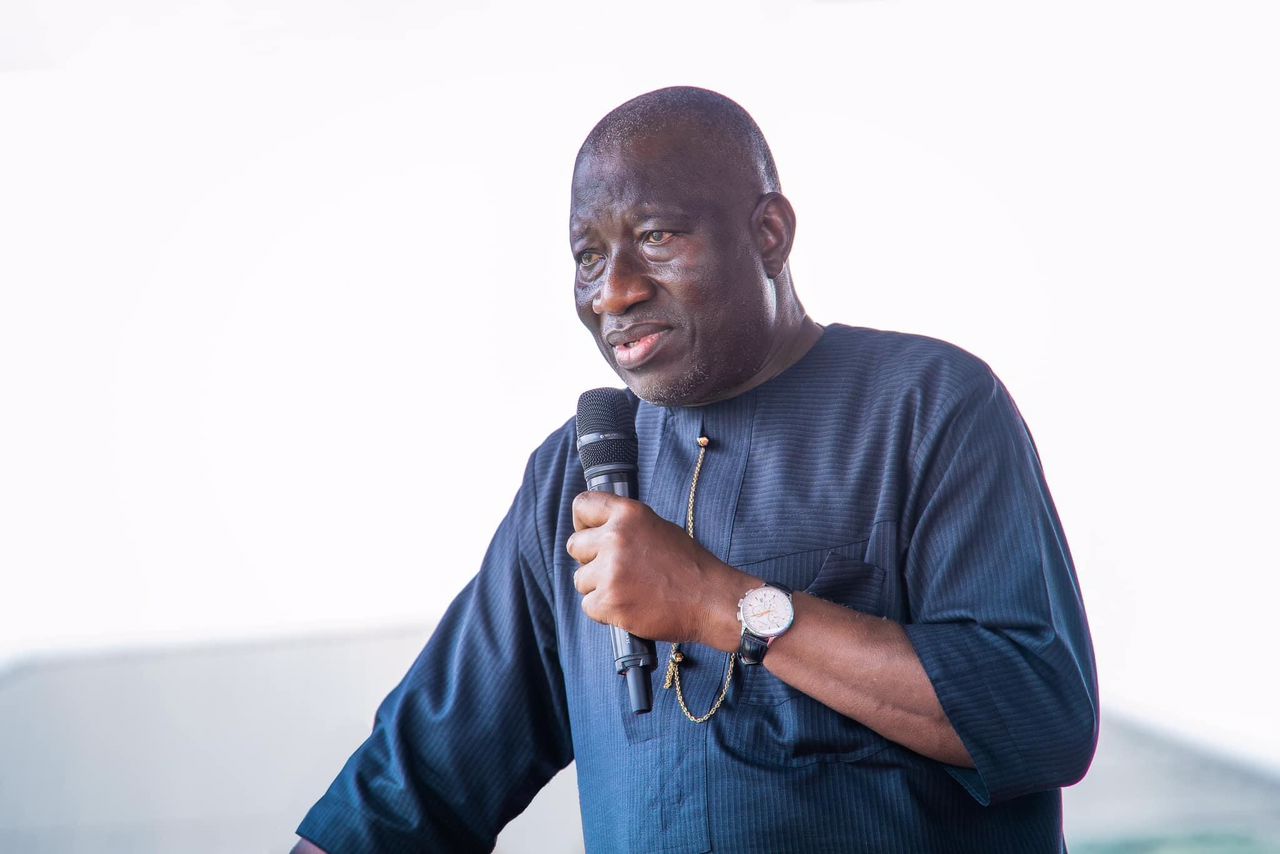
Former President Goodluck Jonathan has defended his time in office, stating that while mistakes are inevitable in leadership, he gave his best in steering the country during his tenure. His remarks come in response to recent criticism from former Vice President Atiku Abubakar, who described him as inexperienced.
The exchange follows Atiku’s appearance on a televised interview, where he assessed past and present political actors while positioning himself ahead of future electoral contests. Speaking on national television, Atiku argued that Jonathan’s perceived lack of experience contributed to governance challenges during his administration, particularly in moments of national difficulty.
“I know Goodluck Jonathan very well. He is a decent man, but also inexperienced,” Atiku said, adding that this factor affected his ability to manage the affairs of the country effectively.
Atiku, who is currently seeking political realignment under the African Democratic Congress (ADC), is among several prominent figures shaping Nigeria’s evolving opposition landscape. Others mentioned in the broader political conversation include Peter Obi, Rotimi Amaechi, and Rabiu Kwankwaso. During the interview, Atiku downplayed the regional influence of some of these figures while also expressing dissatisfaction with the current administration of Bola Tinubu.
Responding to the criticism on Monday at an event in Abuja, Jonathan dismissed the notion that his age or experience undermined his leadership. Speaking at the annual awards ceremony of the Association of Retired Career Ambassadors of Nigeria, he argued that governance is inherently complex and that no leader is immune from making mistakes.
“So not too long ago, a very senior politician said, ‘Jonathan was too young and probably that’s why he made mistakes,’” he said. “If I made mistakes, yes—but nobody who becomes a governor or a president will say they did not make mistakes.”
Jonathan, who assumed office in 2010 at the age of 53 following the death of President Umaru Musa Yar’Adua, and later won election in 2011, served until 2015. Reflecting on that period, he questioned the logic of equating age with competence.
“I became president at 53 and left at 58, and they say I was too young. Must it have been 100 years before I ran the affairs of the state?” he asked.
The former president also used the opportunity to highlight what he described as key achievements of his administration, particularly in foreign policy and diplomacy. He pointed to Nigeria’s successful bids for non-permanent seats on the United Nations Security Council as evidence of strategic leadership and international engagement.
“I’m talking to diplomats, so I can say that during my period, I knew what I did for us to appear in the UN Security Council two times,” Jonathan noted, suggesting that such outcomes required skill and careful negotiation.
Jonathan’s presidency was marked by both notable reforms and significant challenges, including the escalation of insurgency in the North-East, economic pressures linked to fluctuating oil prices, and widespread public demands for improved governance. Despite these challenges, he is often credited for conceding defeat in the 2015 election, a move widely praised for strengthening Nigeria’s democratic credentials.
Political analysts say the renewed exchange between Jonathan and Atiku reflects broader repositioning ahead of future elections, as key figures seek to shape public perception of past administrations and leadership qualities.
As debates over experience, competence, and legacy continue to define Nigeria’s political discourse, Jonathan’s response underscores a familiar theme in governance: that leadership is judged not by perfection, but by the ability to navigate complex realities and deliver results under pressure.
See also:
BREAKING: Liam Rosenior Sacked by Chelsea FC after 3 Months in Charge
UK-Based Nigerian TikToker Fired After Admission of Falsified Experience.
REAL MADRID EDGE ALAVES TO KEEP TITLE PRESSURE ON BARCA.