Headlines
Labour Party: Obi May Miss 2027 Ticket as Membership Deadline Looms — Usman
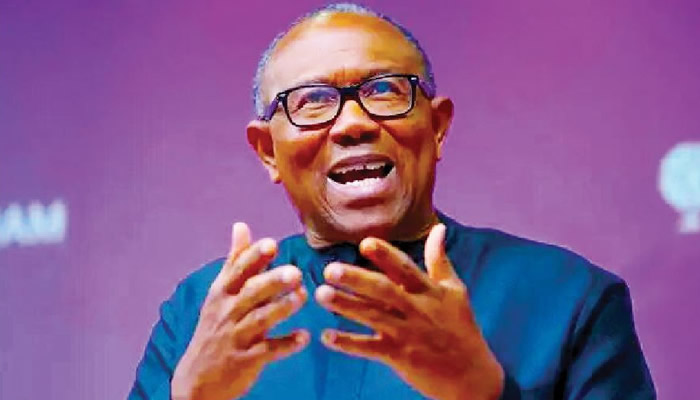
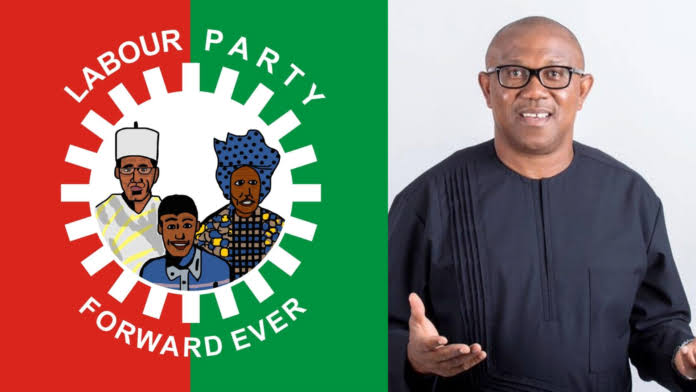
The interim National Chairman of the Labour Party, Nenadi Usman, has said the party’s 2023 presidential candidate, Peter Obi, could be legally barred from contesting the 2027 presidential election on its platform if he fails to meet statutory membership requirements.
Speaking during a televised interview on Wednesday, Usman explained that provisions of the Electoral Act impose strict timelines on party membership registration ahead of primaries. She noted that once the party’s register is closed and submitted to the Independent National Electoral Commission (INEC), no new entrant can be added for the purpose of contesting elections.
“Well, it will be too late actually for him to come back,” she said, adding that the register would be shut 21 days before party primaries. “Once we close the register and submit it to INEC, you cannot come from behind to be registered and contest. That would be legally impossible.”
Her comments come amid ongoing speculation about Obi’s political future following his departure from the Labour Party, a move he attributed partly to the party’s prolonged internal crisis. Obi, a former governor of Anambra State, was widely credited with driving the party’s strong performance in the 2023 general election, where he emerged as a major third-force candidate.
Usman acknowledged Obi’s role in the party’s rise, revealing that he personally convinced her and several others to defect from the Peoples Democratic Party (PDP) ahead of the last election. According to her, the decision to leave the PDP was rooted in dissatisfaction over its failure to zone the presidential ticket to the South.
“We believed in equity and fair play. Even though I am from the North, I felt it was not fair,” she said, referencing the internal disagreements that shaped political alignments before the 2023 polls.
The Labour Party has since been embroiled in a protracted leadership crisis that has weakened its internal cohesion and electoral strength. The dispute centred on competing claims to the party’s leadership between Usman’s caretaker committee and the camp of former national chairman Julius Abure.
The conflict triggered a series of legal battles, culminating in rulings by both the Supreme Court and lower courts. In April 2025, the Supreme Court of Nigeria held that Abure’s tenure had expired, while a subsequent judgment by a Federal High Court in Abuja directed INEC to recognise Usman’s leadership pending a national convention.
More recently, the Court of Appeal Nigeria affirmed Usman as interim chairman and dismissed Abure’s challenge, instructing INEC to deal exclusively with her faction. Despite the rulings, Abure has indicated plans to return to the Supreme Court, leaving the dispute unresolved.
The crisis has taken a toll on the party, leading to defections, a reduced presence in the National Assembly, and a weakened grassroots structure. Observers say the instability has eroded the momentum built during the 2023 elections.
In response, Usman’s leadership has initiated a membership revalidation exercise and announced that the party’s 2027 presidential ticket will be zoned to the South—potentially aligning with Obi’s political base, but also tightening eligibility conditions.
Political analysts say the combination of legal requirements and internal party dynamics could significantly shape the Labour Party’s prospects ahead of 2027. For Obi, any potential return to the party would now depend not only on political negotiations but also strict compliance with electoral timelines.
As preparations gradually begin for the next electoral cycle, the Labour Party faces the dual challenge of resolving its leadership disputes and rebuilding its organisational strength, while also managing the expectations of key political figures and supporters.