
Headlines
Petrol Prices Climb Toward N1,400 as Middle East Crisis Deepens Pressure on Nigerian Fuel Market
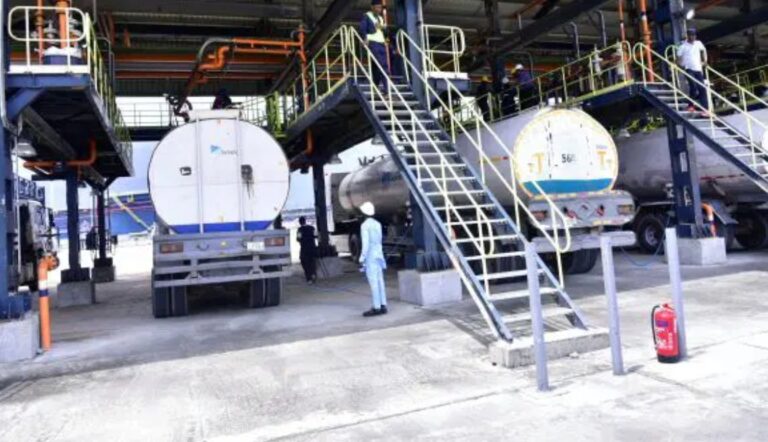
The cost of Premium Motor Spirit (petrol) has continued to rise across Nigeria, with pump prices approaching N1,400 per litre in several parts of the country as tensions between the United States and Iran intensify global oil market uncertainty.
The latest increase follows the failure of both countries to reach a ceasefire agreement that could restore normal operations around the Strait of Hormuz, a critical global oil shipping route disrupted by the ongoing Middle East conflict.
The worsening crisis has triggered fresh shocks across the international energy market, sending Brent crude prices from about $105 per barrel earlier in the week to approximately $118 by Wednesday.
Amid the surge, Dangote Petroleum Refinery reportedly increased its petrol loading price from N1,200 per litre to N1,275 per litre, according to industry data and market sources familiar with the development.
The refinery’s coastal supply price was also said to have risen to about N1,215 per litre, reflecting mounting pressure on local fuel distribution costs.
Industry insiders further disclosed that the refinery temporarily suspended parts of its pro forma invoice processing system on Tuesday afternoon, disrupting supply scheduling and affecting the loading of petrol and diesel for marketers.
The development quickly filtered into the retail market, with filling stations across Lagos, Ogun State and other South-West states adjusting pump prices upward within hours.
Checks at various outlets showed petrol selling between N1,315 and N1,350 per litre in parts of Lagos and Ogun by Wednesday evening. Stations operated by Nigerian National Petroleum Company Limited along the Mowe-Ibafo axis of the Lagos-Ibadan Expressway reportedly sold fuel at around N1,315 per litre, while other marketers pushed prices slightly higher.
In northern states and remote communities farther from the Dangote refinery, prices were reported to be nearing N1,400 per litre due to additional transportation and logistics costs.
Residents of some border communities in Ogun State also complained that petrol prices had climbed close to N1,700 per litre, blaming limited fuel supply and distribution challenges in their areas.
The latest fuel price adjustments come as the NNPC raised official selling prices for all 37 Nigerian crude oil grades scheduled for May cargo loading.
According to energy market reports, Nigeria is benefiting financially from the global oil rally triggered by the Iran crisis. The price of Bonny Light crude reportedly increased by more than $6 per barrel, while the Forcados grade also recorded a significant rise.
Analysts say the increase in Nigeria’s crude export earnings could strengthen government revenues and foreign exchange inflows. However, they warn that the same surge is simultaneously placing heavy pressure on domestic fuel prices because Nigeria’s downstream petroleum market now operates under a deregulated pricing system.
Since the removal of petrol subsidy in 2023, local fuel prices have become increasingly tied to international crude prices and exchange rate fluctuations, exposing consumers to global market shocks.
The National President of the Petroleum Products Retail Outlet Owners Association of Nigeria, Billy Gillis-Harry, warned that prices could continue rising if peace efforts in the Middle East fail.
According to him, fuel marketers are struggling to cope with the speed of price volatility, making planning and supply management difficult for operators across the country.
He also criticised the Federal Government for failing to introduce measures that could cushion the impact of the rising energy costs on ordinary Nigerians despite the country’s improved earnings from crude oil exports.
Economic experts fear that further increases in petrol prices may worsen inflation, raise transportation fares and increase the cost of goods and services nationwide, deepening the financial burden already facing households and businesses.