
Headlines
Tinubu Defeats Sole Challenger in APC Presidential Primary, Secures 2027 Ticket
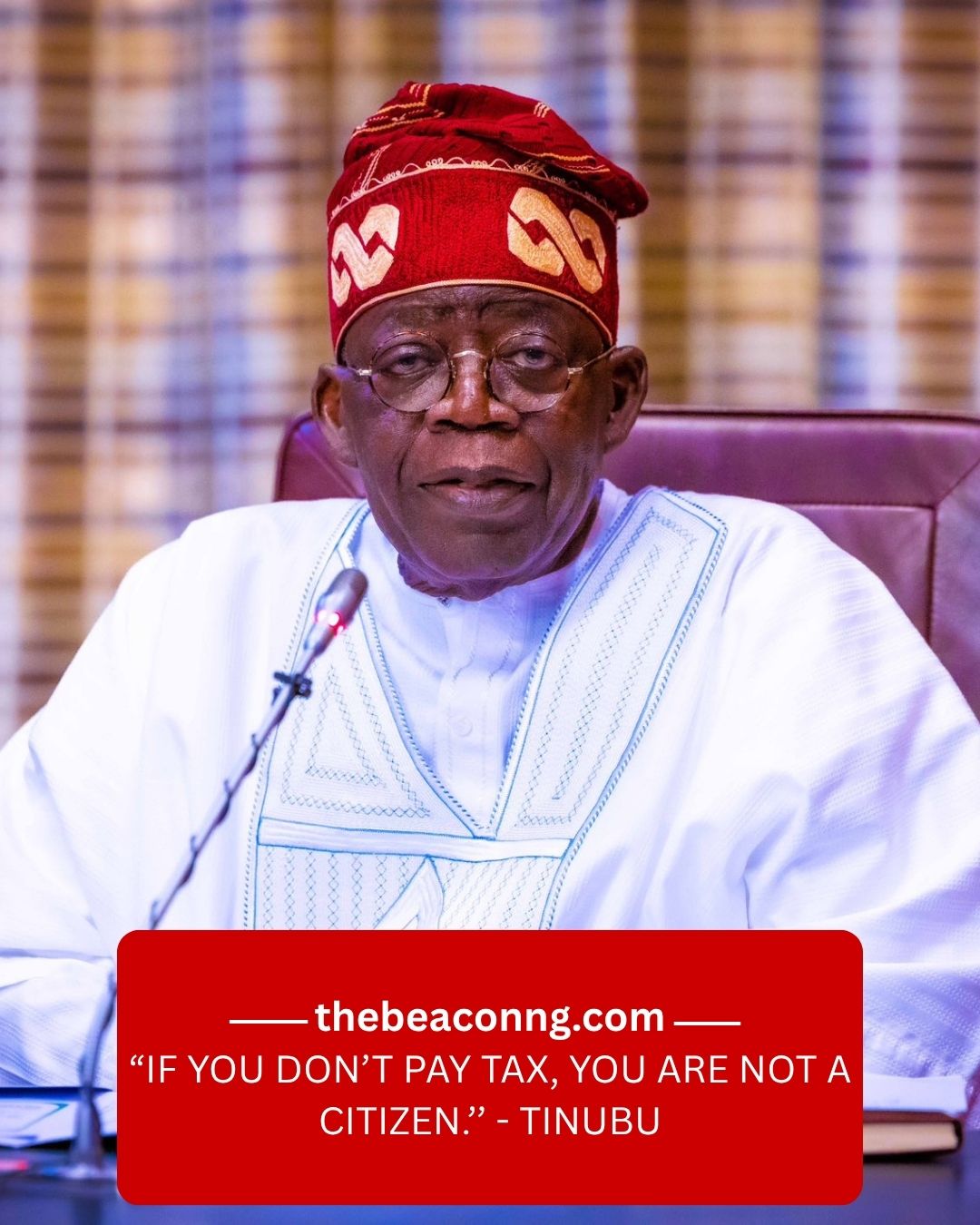
President Bola Tinubu has emerged as the presidential candidate of the All Progressives Congress for the 2027 general election after recording a landslide victory over his only challenger, Stanley Osifo, in the party’s nationwide direct primary election.
The APC primary, conducted across Nigeria’s 8,809 wards, largely transformed into a nationwide endorsement exercise for Tinubu as governors, party executives and grassroots delegates openly backed his second-term ambition.
Results monitored across states showed overwhelming support for the President, while Osifo reportedly attracted minimal votes in most voting centres.
The outcome formally positions Tinubu as the APC flagbearer for the 2027 presidential election, setting the stage for what is expected to be another highly competitive national contest.
Although major organs of the ruling party had already publicly endorsed Tinubu before the primary, the APC proceeded with the direct primary process to officially ratify his candidacy in accordance with electoral guidelines and party procedures.
Key APC structures that previously declared support for the President included the National Executive Committee, the National Working Committee, the Progressive Governors Forum and several state chapters of the party.
Political observers described the primary as one of the least competitive presidential contests in recent APC history because of the broad consensus that had already formed around Tinubu’s re-election bid.
Party loyalists across many states organised solidarity rallies and endorsement gatherings ahead of the exercise, reinforcing the President’s dominance within the ruling party.
Tinubu’s emergence comes amid ongoing political realignments across the country as opposition parties continue coalition talks, defections and internal restructuring ahead of the election.
The President is expected to campaign heavily on his administration’s economic reforms, infrastructure projects and security policies, although critics have raised concerns over inflation, fuel prices and the rising cost of living since he assumed office in 2023.
Supporters of the President argue that difficult economic reforms introduced under his administration were necessary to stabilise Nigeria’s economy and attract long-term investment.
Tinubu’s administration has also defended policies such as fuel subsidy removal and exchange rate reforms as unavoidable steps aimed at restructuring the economy.
The APC primary further highlighted the President’s strong control of party structures nationwide, particularly following endorsements from influential governors and senior party leaders.
Analysts say the overwhelming support within the APC may strengthen Tinubu’s position ahead of the general election, although broader national acceptance will likely depend on economic conditions and the opposition’s ability to form a united front.
The emergence of Tinubu as APC candidate comes at a time when opposition parties are witnessing significant internal crises and defections.
Recent developments have seen divisions within the Peoples Democratic Party, the African Democratic Congress and other opposition platforms, while politicians continue negotiations over possible alliances.
Security agencies are expected to intensify preparations nationwide as political activities gather momentum ahead of the 2027 election cycle.